
Beautiful Plants For Your Interior
Beautiful Plants For Your Interior
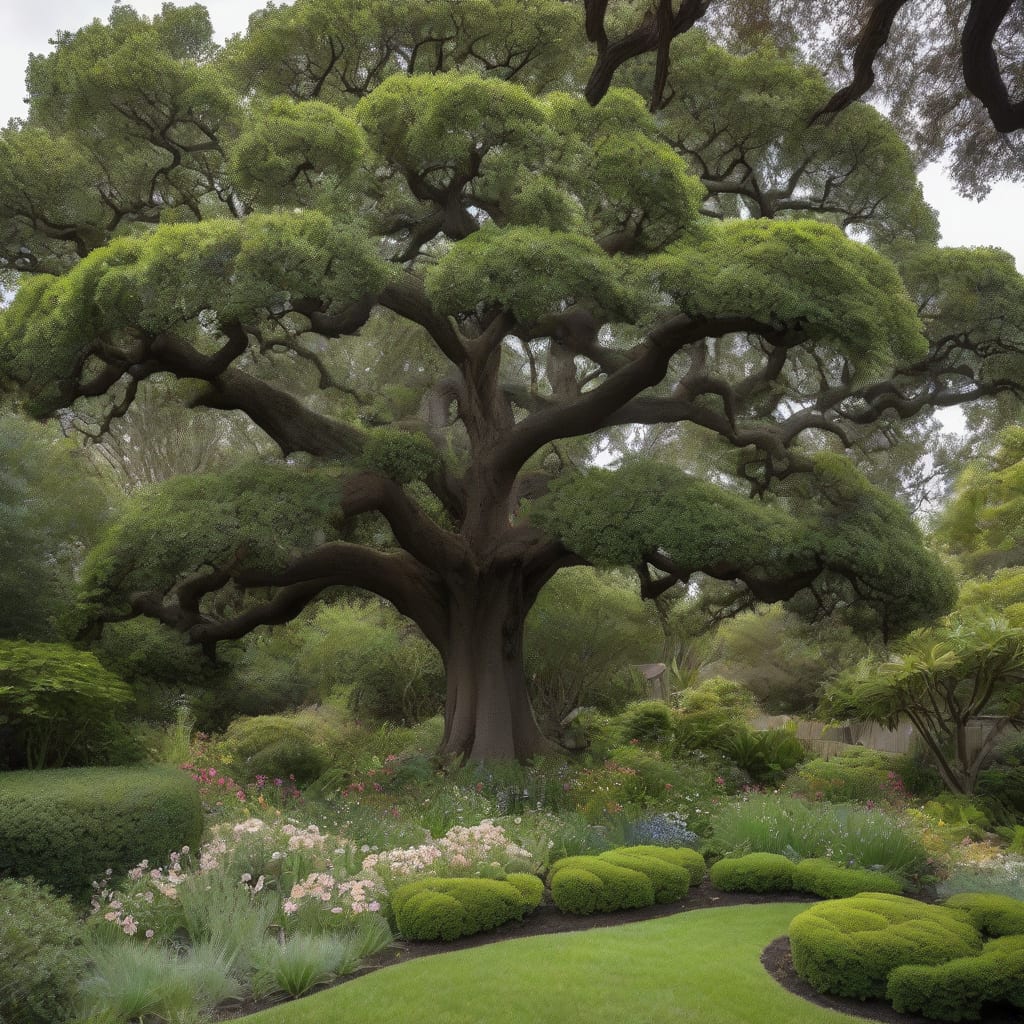
I’ve always been fascinated by the towering presence of trees 🌳 in our landscapes. The height to which they can grow is truly remarkable, with some species reaching heights that rival even the tallest man-made structures.
Understanding how tall trees can grow involves exploring various factors, including genetics, climate, and soil conditions in General, USDA Zone 6.


I’ve always been fascinated by the towering presence of trees in our landscapes. The height to which they can grow is truly remarkable, with some species reaching heights that rival even the tallest man-made structures 🌳.
Understanding how tall trees can grow involves exploring various factors, including genetics, climate, and soil conditions in General, USDA Zone 6. These elements play a crucial role in determining the maximum height a tree can achieve.
The genetic makeup of a tree is perhaps the most significant factor in determining its height. Different species have evolved to reach specific heights based on their ecological niches. For example, some trees like the coast redwood can grow to over 300 feet, while others may only reach 20 feet at maturity 🌲.
Climate plays a crucial role in tree growth by affecting the rate of photosynthesis and the availability of water. Trees growing in areas with ample rainfall and optimal temperatures tend to grow faster and taller than those in harsher conditions ☁️.
Soil quality is another critical factor. Trees require a balance of nutrients and water to grow. Soil that is too dry or lacking in essential nutrients can limit a tree’s growth potential 🌱. The quality of the soil, including its pH level and nutrient content, can significantly impact a tree’s ability to grow tall and healthy 🌱.
Understanding these factors is essential for gardeners and landscapers who want to cultivate healthy, tall trees. By optimizing genetic potential, climate conditions, and soil quality, it’s possible to encourage trees to reach their maximum height 🌳.
As we explore the fascinating world of tree growth, it’s clear that multiple factors work together to determine how tall trees can grow. By considering these elements, we can better appreciate the complexity of tree development and the potential for trees to thrive in various environments 🌲.
Trees come in various species, each with its unique characteristics and growth patterns. Understanding the maximum heights of common tree species can help gardeners and landscapers choose the right trees for their landscapes 🌳.
The height to which a tree can grow is influenced by its genetic makeup, environmental conditions, and care practices. Some tree species are naturally taller than others, and knowing these differences is essential for planning and maintenance.
Known for being one of the tallest tree species, with some individuals reaching heights of over 300 feet 🌲.
Can grow to heights of up to 250 feet, making it one of the tallest hardwood species in the world 🌳.
A common evergreen tree that can reach heights of up to 100 feet or more in ideal conditions 🌲.
These examples illustrate the potential heights of various tree species. By understanding the growth patterns and maximum heights of different trees, gardeners can make informed decisions about which trees to plant and how to care for them 🌳.
Factors such as soil quality, climate, and maintenance practices play a significant role in determining the actual height a tree will achieve. Proper care can help trees reach their full potential height.
For those interested in growing tall trees, it’s essential to select species known for their height potential and provide optimal growing conditions. This includes ensuring adequate water supply, nutrient-rich soil, and appropriate pruning practices 🌱.
By combining the right tree species with proper care, gardeners can cultivate impressive, tall trees that enhance their landscapes 🌲.
To help trees reach their maximum height, it’s essential to provide optimal growing conditions. This includes ensuring adequate water supply, nutrient-rich soil, and appropriate pruning practices 🌱.
Proper care can significantly impact a tree’s ability to grow tall and healthy. By understanding the specific needs of your tree species, you can tailor your care practices to support its growth 🌳.
Regularly inspect your trees for signs of stress or disease, and take action promptly to address any issues. This will help prevent damage and promote healthy growth 🌲.
Watering is a critical aspect of tree care. Trees need consistent moisture, especially during their first year of growth. Deep soaking once or twice a week is more effective than frequent shallow watering ☁️.
Fertilization can also support tree growth. Using a balanced fertilizer during the growing season can provide essential nutrients. However, it’s crucial to follow the recommended application rates to avoid over-fertilizing 🌿.
Pruning is another important practice for promoting healthy tree growth. Pruning helps maintain the tree’s structure, removes dead or diseased branches, and can encourage the growth of a strong, central leader 🌳.
By combining these care practices with the right tree species and environmental conditions, you can help your trees reach their full potential height and enjoy a healthy, thriving landscape 🌲.
