
Beautiful Plants For Your Interior
Beautiful Plants For Your Interior
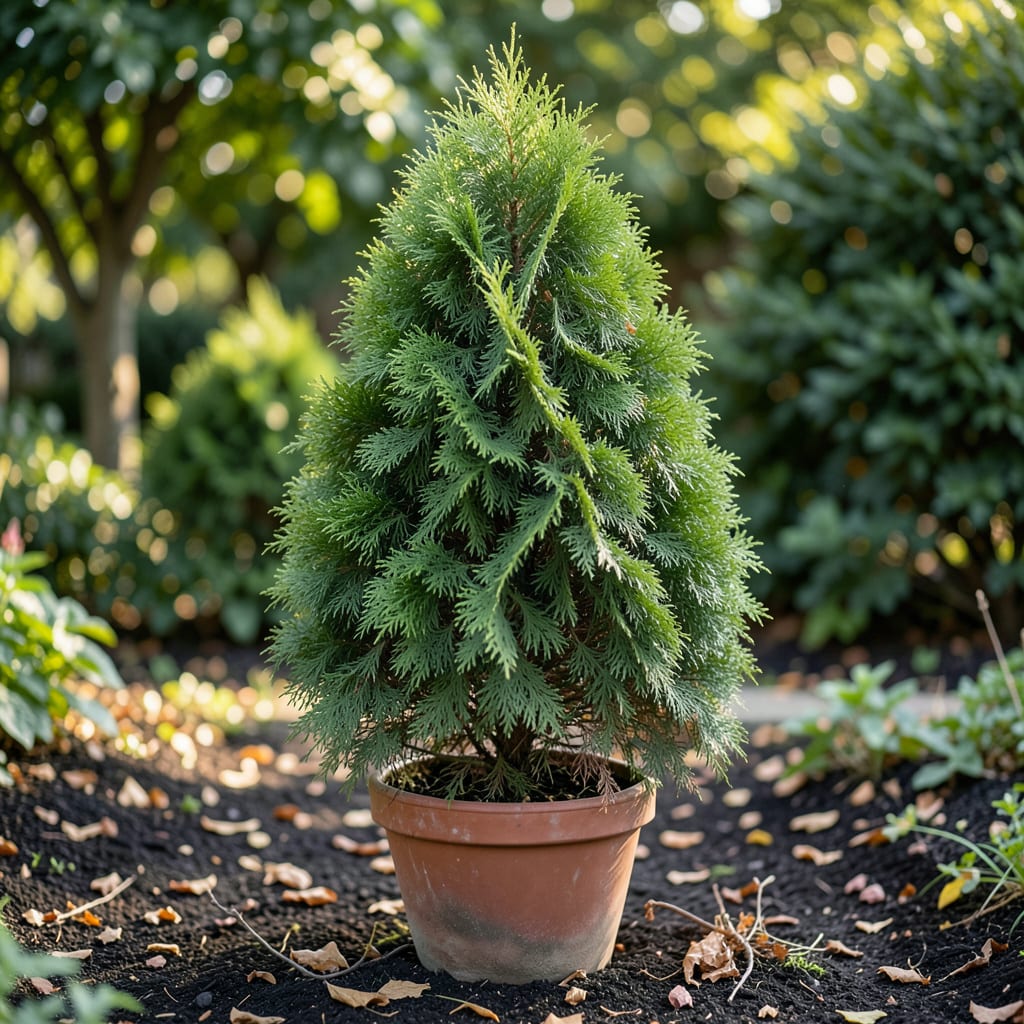
As I stand before a majestic Thuja 🌲, I’m always amazed by their potential height. These evergreen trees can grow quite tall, but their exact height depends on several factors.
In my experience, understanding these factors is crucial for gardeners and landscapers to make informed decisions about planting and caring for Thuja trees in USDA Zone 6. Let’s explore what influences their growth and ultimate size.

Thuja trees are known for their impressive height potential, with some species growing significantly taller than others. The maximum height of a Thuja tree depends on various factors, including the specific species, growing conditions, and maintenance practices.
In general, Thuja trees can grow anywhere from 10 to 60 feet tall, with some species reaching heights of over 50 feet in ideal conditions 🌲.
The Thuja occidentalis species, also known as the Eastern White Cedar, typically grows up to 20-30 feet tall. In contrast, the Thuja plicata, or Western Red Cedar, can reach heights of 50-60 feet or more in ideal conditions.
Factors such as soil quality, sunlight, and watering play a crucial role in determining the maximum height of a Thuja tree. Trees grown in optimal conditions with full sun and well-drained soil tend to grow taller than those in less favorable environments.
Regular pruning can also impact the height of Thuja trees. While pruning can help control the size and shape of the tree, it can also reduce its overall height potential if done excessively.
In addition to species and growing conditions, climate and tree maintenance also influence Thuja tree height. Understanding these factors is essential for gardeners and landscapers to make informed decisions about planting and caring for Thuja trees.
By considering these factors and choosing the right Thuja species for your specific needs, you can enjoy the beauty and benefits of these versatile trees for years to come 🌿.
Thuja trees are not only valued for their height, but also for their dense foliage and low-maintenance requirements. They are often used in landscaping as hedges, screening plants, or specimen trees.
The growth rate of Thuja trees can vary depending on the species and growing conditions. On average, Thuja trees can grow 1-3 feet per year, with some species growing faster than others.
To promote healthy growth and maximize height potential, it’s essential to provide Thuja trees with adequate water, nutrients, and sunlight. Regular maintenance, including pruning and fertilization, can also help support optimal growth.
In conclusion, Thuja trees are a popular choice for landscaping due to their elegant foliage and versatility. By understanding the factors that influence their growth and height potential, gardeners and landscapers can make informed decisions about planting and caring for these beautiful trees 🌲.
Understanding the factors that influence Thuja tree growth is crucial for gardeners and landscapers. Several key elements affect how tall these trees can grow 🌲.
The soil quality plays a significant role in determining Thuja tree height. Trees grown in well-drained soil with adequate nutrients tend to grow healthier and taller.
By understanding and managing these factors, gardeners can optimize the growth of their Thuja trees. Proper care can lead to healthier, more robust trees that reach their full height potential 🌿.
The growth rate of Thuja trees can vary depending on the species and growing conditions. On average, Thuja trees can grow 1-3 feet per year, with some species growing faster than others.
To promote healthy growth and maximize height potential, it’s essential to provide Thuja trees with adequate water, nutrients, and sunlight. Regular maintenance, including pruning and fertilization, can also help support optimal growth 🌱.
In my experience, Thuja trees are a popular choice for landscaping due to their elegant foliage and versatility. By understanding the factors that influence their growth and height potential, gardeners and landscapers can make informed decisions about planting and caring for these beautiful trees 🌲.
Thuja trees are not only valued for their height, but also for their dense foliage and low-maintenance requirements. They are often used in landscaping as hedges, screening plants, or specimen trees.
I always emphasize the importance of proper pruning when it comes to managing Thuja tree height. Regular pruning not only helps control the size but also maintains the tree’s overall health and appearance 🌿.
The key to effective pruning is understanding the right techniques and timing. For Thuja trees, the best time to prune is in early spring or late winter, before new growth begins 🌱.
Evaluate the tree’s shape and identify branches that need pruning.
Cut off any dead, diseased, or damaged branches to maintain the tree’s health.
Prune branches to maintain the desired shape and size.
When pruning Thuja trees, it’s essential to use the right tools and techniques to avoid damaging the tree. I recommend using sharp, clean pruning shears and making clean cuts just above a growth node 🔧.
Regular pruning not only helps control the height of Thuja trees but also promotes healthy growth and encourages dense foliage. By following these pruning techniques, you can maintain your Thuja tree’s size and shape while keeping it healthy and thriving 🌲.
In addition to regular pruning, other maintenance practices like fertilization and watering also play a crucial role in promoting healthy growth and maximizing height potential.
By combining proper pruning techniques with other maintenance practices, you can enjoy the beauty and benefits of your Thuja trees for years to come 🌿.
Thuja trees typically grow 1-3 feet per year, depending on the species and growing conditions. Some varieties can grow faster than others, especially when provided with optimal care. Proper watering, fertilization, and pruning can support healthy growth.
Yes, regular pruning can help control the height and shape of your Thuja tree. Prune in early spring or late winter, removing dead or diseased branches and shaping the tree as needed. Use sharp, clean pruning shears to avoid damaging the tree.
Thuja trees can grow anywhere from 10 to 60 feet tall, depending on the species and growing conditions. Some species, like Thuja plicata, can reach heights of over 50 feet in ideal conditions.
Several factors influence Thuja tree height, including soil quality, sunlight, watering, and pruning practices. Trees grown in well-drained soil with full sun and consistent moisture tend to grow taller and healthier.
