
Beautiful Plants For Your Interior
Beautiful Plants For Your Interior
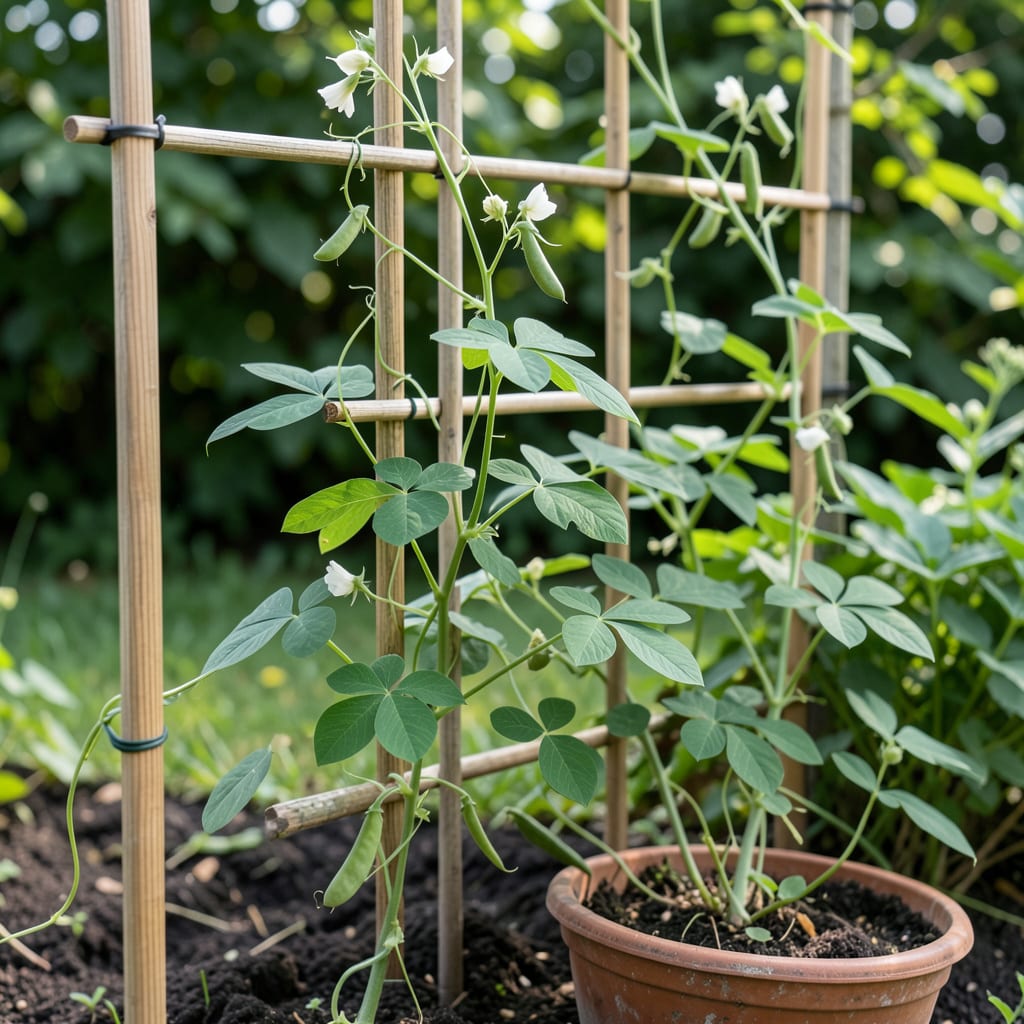
Growing Sugar Snap Pea 🌱 plants can be a rewarding experience, especially when you understand their growth habits. These climbing plants can reach impressive heights, making them a great addition to any garden.
In USDA Zone 6, you can expect Sugar Snap Pea plants to grow between 2-4 feet tall, requiring support as they climb. Let’s explore how to make the most of these versatile plants.


Sugar snap pea plants are known for their climbing nature and can grow to varying heights depending on the specific variety and growing conditions. Typically, these plants can reach heights between 2-4 feet, making them a great addition to gardens with proper support.
The height of sugar snap pea plants is influenced by factors such as soil quality, sunlight exposure, and the type of support provided. In ideal conditions, with full sun and well-draining soil, these plants can reach their maximum height potential 🌱.
The climbing nature of sugar snap pea plants means they require proper support to grow effectively. Gardeners can use trellises, cages, or other vertical supports to help these plants reach their full height potential while keeping the garden organized 🌿.
Factors such as soil quality and sunlight exposure play crucial roles in determining the final height of sugar snap pea plants. Ensuring they receive at least 6 hours of direct sunlight daily and are planted in well-draining soil can significantly impact their growth.
Understanding the growth patterns of sugar snap pea plants is essential for planning garden layouts and providing the necessary care. By recognizing their climbing habit and support needs, gardeners can create an optimal growing environment.
Sugar snap pea plants are a versatile crop that can thrive in various garden settings. Their relatively compact height range makes them suitable for both small and large gardens, provided they receive the right conditions and support.
In USDA Zone 6, the ideal time to plant sugar snap peas is in early spring, around March or April, when the soil has reached a temperature of at least 45°F. This timing helps ensure optimal growth and development.
To maximize the height and health of sugar snap pea plants, gardeners should focus on providing consistent moisture and appropriate fertilization. A balanced fertilizer applied at planting time can promote early growth and development.
As the plants grow, maintaining consistent moisture levels is crucial. Sugar snap peas require about 1 inch of water per week, either from rainfall or irrigation, to support their growth and pod development.
By understanding the height and growth patterns of sugar snap pea plants, gardeners can better plan their garden layouts and care routines. This knowledge enables them to create an optimal environment for these plants to thrive and produce abundant harvests.
In conclusion, sugar snap pea plants are a rewarding crop for gardeners, offering both nutritional benefits and culinary versatility. Their manageable height and climbing nature make them a great choice for a variety of garden settings 🌻.
Sugar snap pea plants require proper support as they grow tall to maximize their height potential and keep the garden organized. The climbing nature of these plants means they need something to cling to as they develop 🌱.
Providing the right support is crucial for the healthy growth of sugar snap pea plants. Gardeners can choose from various options, including trellises, cages, and stakes, to help these plants reach their full height potential.
The type of support used can significantly impact the growth and productivity of sugar snap pea plants. A well-supported plant will be healthier and more productive, leading to a more abundant harvest 🌿.
When choosing a support method, consider the available space and the specific needs of your sugar snap pea plants. For example, a trellis is ideal for maximizing vertical space, while a cage provides support from all sides.
In addition to providing support, maintaining consistent moisture levels and ensuring the plants receive adequate sunlight are crucial for their development. Sugar snap peas thrive in full sun and require about 1 inch of water per week.
By combining proper support with optimal growing conditions, gardeners can promote healthy growth and maximize their sugar snap pea harvest. Regular maintenance, including monitoring for pests and diseases, will also contribute to a successful growing season 🌻.
As the plants continue to grow, it’s essential to keep the support structure in good condition and make any necessary adjustments. This will ensure that the sugar snap pea plants remain healthy and productive throughout the growing season.
Overall, supporting sugar snap pea plants as they grow tall is a critical aspect of their care. By providing the right support and maintaining optimal growing conditions, gardeners can enjoy a bountiful harvest of delicious sugar snap peas.
To maximize the yield of sugar snap pea plants, it’s essential to provide them with optimal growing conditions and proper care. One of the key factors is ensuring they receive adequate sunlight and consistent moisture 🌞.
For optimal growth, ensure your sugar snap pea plants receive at least 6 hours of direct sunlight daily and maintain consistent moisture levels by watering them every 2-3 days.
In addition to proper sunlight and watering, soil quality plays a crucial role in the growth and productivity of sugar snap pea plants. Ensuring the soil is well-draining and rich in organic matter can significantly impact their development 🌱.
A balanced fertilizer applied at planting time can promote early growth and development. It’s also important to maintain consistent moisture levels throughout the growing season.
Regular maintenance, including monitoring for pests and diseases, is crucial for a successful growing season. By combining proper care with optimal growing conditions, gardeners can promote healthy growth and maximize their sugar snap pea harvest 🌻.
To further enhance yield, consider implementing a succession planting strategy, where seeds are sown at intervals to ensure a continuous harvest throughout the season.
By following these tips and providing the right conditions, gardeners can enjoy a bountiful harvest of delicious sugar snap peas. With proper care and attention, these plants can thrive and provide a rewarding gardening experience.
In conclusion, growing tall sugar snap pea plants requires a combination of proper support, optimal growing conditions, and regular maintenance. By understanding their growth habits and providing the necessary care, gardeners can maximize their yield and enjoy a successful harvest 🌼.
Sugar snap pea plants typically grow between 2-4 feet tall, depending on the variety and growing conditions. They are climbing plants that require support to reach their full height potential. Providing a trellis or other vertical support helps maximize their growth.
Sugar snap pea plants thrive in full sun, requiring at least 6 hours of direct sunlight daily. Adequate sunlight exposure is crucial for their growth and productivity. Ensuring they receive sufficient sunlight will help them reach their maximum height potential.
Sugar snap pea plants require consistent moisture, especially when they’re producing pods. Water them every 2-3 days, ensuring they receive about 1 inch of water per week. This helps support their growth and development.
A sturdy trellis or pea cage is ideal for supporting sugar snap pea plants. You can also use twine and stakes or repurpose old materials to create a DIY support system. The key is to provide something for the plants to climb on as they grow.
