
Beautiful Plants For Your Interior
Beautiful Plants For Your Interior
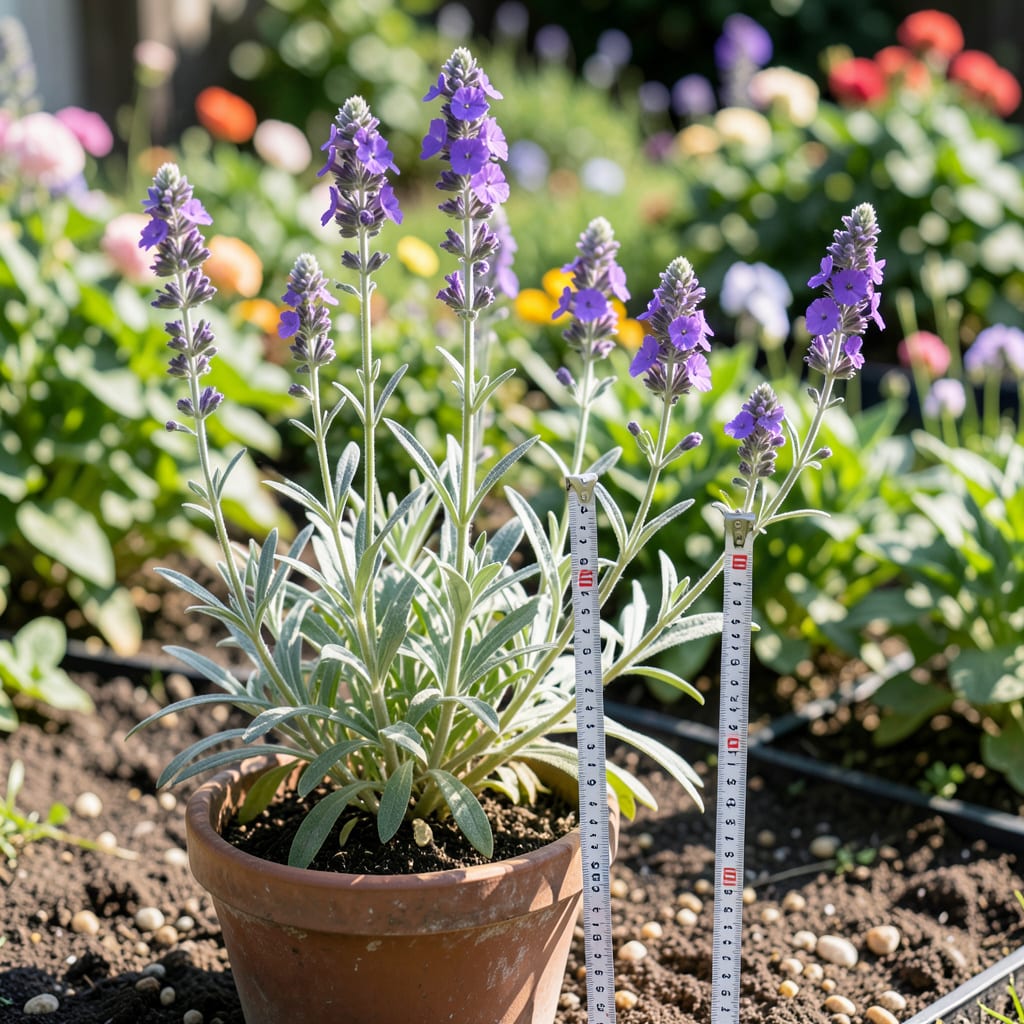
I’ve always been fascinated by Stock 🌸 flowers – their vibrant colors and sweet fragrance make them a garden favorite. But have you ever wondered just how tall these beautiful blooms can grow?
Stock flowers typically reach heights of 1-3 feet, depending on the variety and growing conditions. Understanding their growth habits is key to planning a stunning garden display in your USDA Zone 6 garden.


I’ve found that several key factors influence the height of stock flowers in your garden. Understanding these elements is crucial for predicting and managing their growth effectively 🌼.
The variety of stock flower you’re growing plays a significant role in determining its height. Different cultivars have been bred for various characteristics, including compact growth or taller spikes.
The specific gardening conditions in your area also affect stock flower height. Factors like temperature fluctuations, soil pH, and moisture levels all contribute to the overall growth of these plants.
Temperature is another critical factor. Stock flowers prefer cooler temperatures, typically between 60°F to 70°F (15°C to 21°C), which supports healthy growth and development.
Understanding these factors helps gardeners create optimal conditions for their stock flowers, potentially maximizing their height and overall garden performance 🌺.
For example, in my experience, stock flowers grown in well-draining soil with adequate sunlight tend to reach their maximum height potential more consistently than those in poor conditions.
The height range of stock flowers can vary significantly based on these factors. While some compact varieties may reach only about 12 inches in height, others can grow up to 3 feet or more under ideal conditions.
It’s essential to research the specific variety you’re planting to understand its expected height range and growth habits.
By considering these factors and adjusting your gardening practices accordingly, you can better manage the height of your stock flowers and create a more balanced garden display.
Proper care, including regular watering and appropriate fertilization, also plays a crucial role in achieving the desired height for your stock flowers.
In summary, the height of stock flowers is influenced by a combination of the variety, growing conditions, and gardening practices. By understanding and managing these factors, gardeners can optimize the growth and appearance of their stock flowers 🌼.
I’ve found that stock flowers come in a variety of heights, ranging from compact varieties to taller types. Understanding these differences is essential for garden planning 🌼.
The height of stock flowers can vary significantly based on the specific variety. Some compact types reach heights of 12-18 inches, while taller varieties can grow up to 3 feet or more.
The dwarf varieties of stock flowers are ideal for container gardens or border plantings, where space is limited. They typically grow to be around 6-12 inches tall.
In contrast, the standard varieties can reach heights of 2-3 feet, making them suitable for cut flower arrangements and background plantings in garden beds.
When selecting a variety, it’s essential to consider the mature height of the plants to ensure they fit well in your garden design.
Proper spacing is also crucial to allow for good air circulation and prevent overcrowding, which can impact the overall health and height of the plants 🌺.
By understanding the different height ranges of stock flower varieties, gardeners can make informed decisions about which types to grow and how to incorporate them into their garden plans 🌼.
Managing the height of stock flowers is crucial for maintaining a balanced and visually appealing garden 🌼.
One effective way to control height is through pruning. By pinching off the tips of young stock plants, you can encourage branching and create a bushier, more compact growth habit.
For taller varieties, consider using stakes or plant supports to prevent the stems from bending or breaking under the weight of the flowers.
Soil quality also plays a significant role in managing stock flower height. Ensuring that your soil is well-draining and rich in organic matter can promote healthy growth and help maintain the desired height.
Watering practices can impact stock flower height as well. Consistent moisture, especially during dry spells, helps prevent stress that can lead to stunted growth.
Fertilization is another key factor. Using a balanced fertilizer during the growing season can support overall plant health and help achieve the desired height 🌺.
By implementing these strategies, gardeners can effectively manage the height of their stock flowers and create a more balanced and beautiful garden display 🌼.
Stock flowers typically grow between 1-3 feet tall, depending on the variety and growing conditions. Some compact varieties reach 12-18 inches, while taller types can grow up to 3 feet or more. Proper care and conditions can help them reach their maximum height potential.
You can control the height through pruning techniques like pinching off the tips of young plants to encourage branching. Using stakes or plant supports can also help prevent taller varieties from bending or breaking. Proper soil quality and watering practices also play a crucial role.
Yes, different varieties have distinct height ranges. Dwarf varieties typically grow 0.5-1 foot tall, semi-dwarf varieties reach 1-2 feet, and standard varieties can grow 2-3 feet tall. Choosing the right variety helps in planning your garden layout effectively.
Several factors influence stock flower height, including soil quality, sunlight, watering, and fertilization. Stock flowers prefer full sun and well-draining soil with consistent moisture. Balanced fertilization during the growing season also supports healthy growth and optimal height.
