
Beautiful Plants For Your Interior
Beautiful Plants For Your Interior
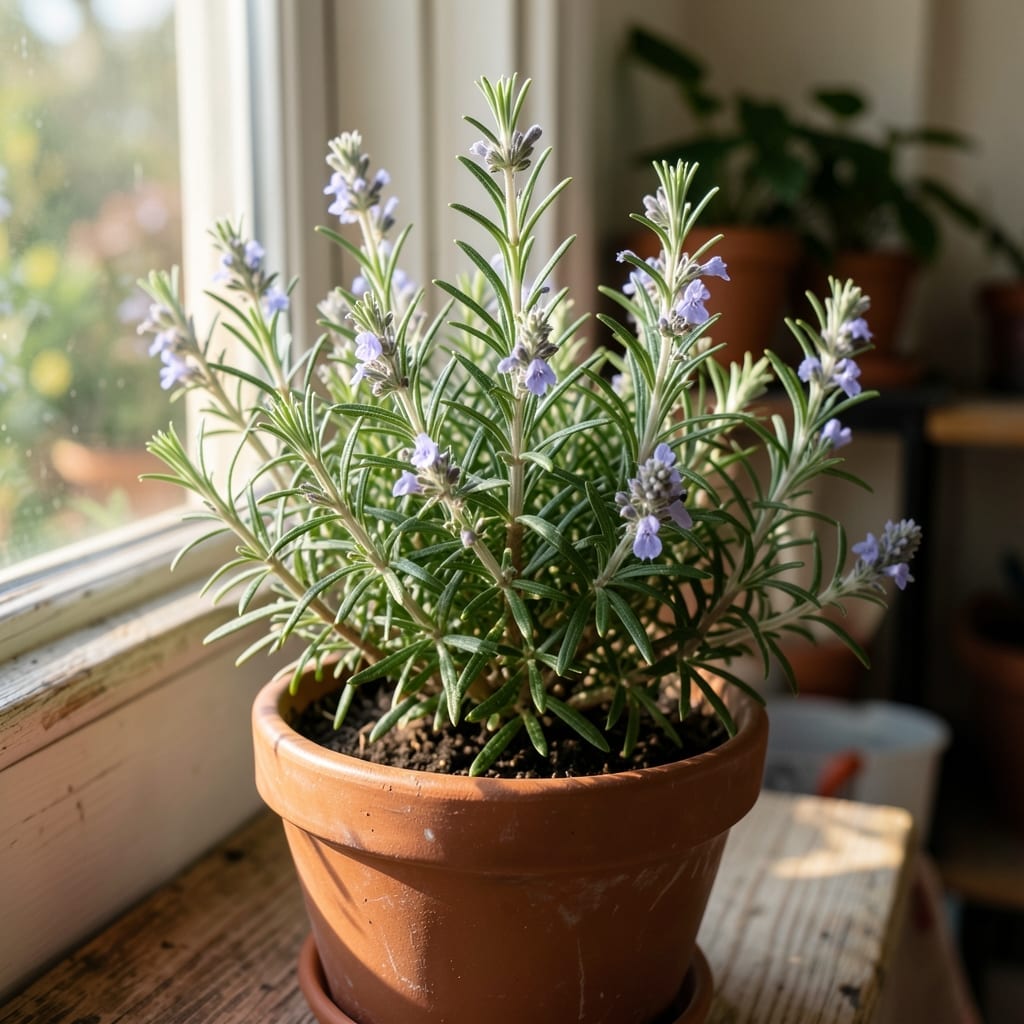
If you’ve ever stood in a garden center wondering how much space your 🌸 Salvia will need, you’re not alone. These vibrant plants can transform any landscape, but their height varies more than you might expect.
From compact 1-2 ft varieties perfect for borders to towering 5 ft types that command attention, Salvia offers options for every space. The key is knowing which variety you’re planting and what to expect.
Discover how to match these beauties to your garden’s needs and create the perfect visual impact. Let me show you exactly what to consider.


I love how Salvias offer such diversity in height. From delicate ground covers to towering statement plants, there’s a size for every garden space and design need.
When planning your garden, knowing the mature height of each variety is crucial. This helps with proper spacing, visual layering, and ensuring each plant has room to thrive without overcrowding its neighbors.
| Variety | Mature Height | Type |
|---|---|---|
| Salvia nemorosa | 1.5-2.5 ft | Perennial |
| Salvia officinalis | 2-3 ft | Perennial |
| Salvia coccinea | 2-4 ft | Annual/Perennial |
| Salvia leucantha | 3-4 ft | Perennial |
| Salvia greggii | 2-3 ft | Shrub |
For smaller spaces, dwarf varieties like ‘Blue Bedder’ stay compact at 1-1.5 ft. These are perfect for container gardening or edging pathways where space is limited.
Medium-sized Salvias, such as Salvia x sylvestris, typically reach 2-3 ft. These work wonderfully in mixed borders, providing beautiful vertical elements without overwhelming other plants.
If you’re looking for drama, consider taller varieties like Salvia guaranitica or Salvia patens. These can grow 4-5 ft tall, creating stunning focal points in larger gardens.
Remember that these are average ranges. Actual height can vary based on growing conditions. In ideal environments, some plants may exceed their typical maximum height by 10-20%.
I always recommend checking the specific variety’s tag or description when purchasing. Some newer cultivars have been bred for more compact growth, while others maintain their traditional taller stature.
For gardeners in warmer climates, many Salvias can grow larger than their listed range. The longer growing season and consistent warmth allow plants to reach their full potential and sometimes beyond.
In my experience, proper pruning and pinching back can help control height, especially for the more vigorous varieties that might otherwise outgrow their space.
In my experience, the final height of your Salvias isn’t just about the variety. Several environmental factors play a crucial role in how tall these plants will grow in your garden.
From sunlight exposure to soil conditions, each element can either encourage robust growth or limit your plants’ potential. Understanding these factors helps you create the ideal environment for your specific Salvia variety.
I’ve noticed that Salvias in full sun consistently outperform those in partial shade. The more sunlight they receive, the more energy they have for vertical growth and flower production.
Soil quality makes a noticeable difference too. In poor, compacted soil, even vigorous varieties may struggle to reach their full height potential. Amending with compost before planting gives them a strong start.
Watering practices also affect height. While Salvias are drought-tolerant once established, consistent moisture during their active growth phase encourages taller, more robust stems.
Don’t underestimate the power of pruning. Pinching back young plants and deadheading spent blooms can redirect energy from height to bushiness, creating a more compact, floriferous plant. This is especially useful for controlling vigorous growers in smaller spaces.
In my garden, the difference between a well-cared-for Salvia and one receiving minimal attention can be as much as 1-2 feet in height. The right combination of these factors brings out the best in each variety.