
Beautiful Plants For Your Interior
Beautiful Plants For Your Interior
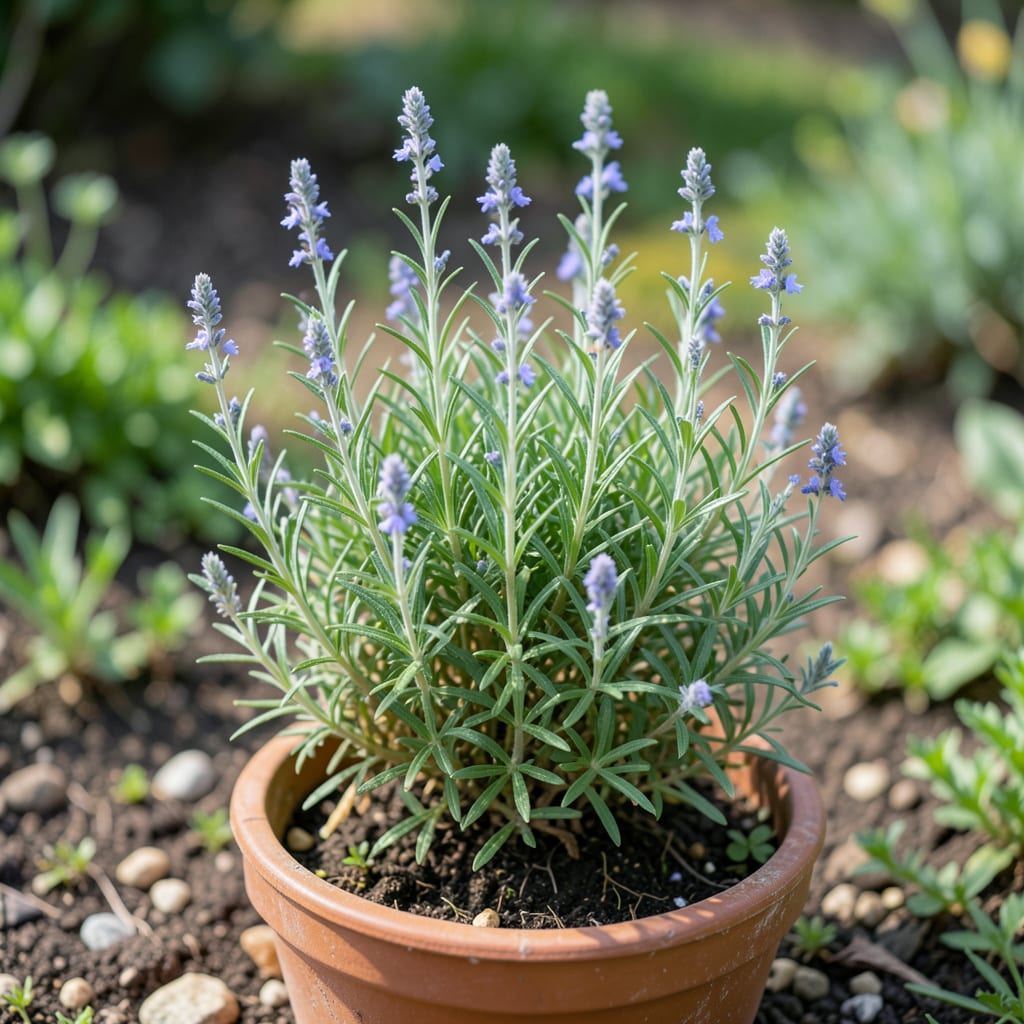
When I think about adding Salvia 🌿 to my garden, I’m always curious about how tall they’ll grow. The height of these beautiful plants can vary significantly based on factors like soil quality and sunlight exposure.
Understanding the growth habits of Salvia is crucial for effective garden planning. Let’s explore what influences their height and how to optimize growing conditions for the best results in USDA Zone 6.


When I consider growing Salvia 🌿 in my garden, I always wonder how tall they’ll grow. The height of these beautiful plants can vary significantly based on factors like soil quality and sunlight exposure.
Understanding the growth habits of Salvia is crucial for effective garden planning. The height can range from 1 to 5 feet, depending on the variety and growing conditions. Let’s explore what influences their height and how to optimize growing conditions for the best results in USDA Zone 6.
The height of Salvia plants can be influenced by various factors, including species variation, soil quality, sunlight exposure, watering practices, and cultivation techniques. Understanding these factors is essential for gardeners to make informed decisions about plant placement and care 🌱.
Different Salvia species exhibit a range of growth habits. For example, Salvia officinalis typically grows to 2-3 feet, while Salvia leucantha can reach heights of 3-4 feet. Being aware of the specific variety’s growth potential helps in planning garden layouts effectively.
Soil quality plays a significant role in determining Salvia height. These plants thrive in well-draining soil enriched with organic matter. Soil that is too dense or poorly drained can limit root development and, consequently, plant height.
Sunlight exposure is another critical factor. Salvia plants generally require full sun to achieve their maximum height potential. In USDA Zone 6, ensuring they receive at least 6 hours of direct sunlight daily is crucial for optimal growth.
In addition to soil and sunlight, watering practices significantly impact Salvia height. These plants prefer consistent moisture, especially during dry spells. However, overwatering can lead to root rot and stunted growth, so it’s essential to maintain a balance.
Cultivation practices, such as pruning, can also influence Salvia height. Regular pruning encourages bushier growth and can help maintain a desired height. For taller varieties, minimal pruning may be preferred to allow the plants to reach their natural height 🌼.
By understanding and managing these factors, gardeners can optimize the growth of their Salvia plants and achieve the desired height for their garden designs.
For more specific guidance on maximizing Salvia height, consider exploring additional resources on gardening best practices and plant care.
Salvia plants are not only valued for their height but also for their vibrant flowers and attractive foliage, making them a versatile addition to any garden.
In conclusion, the height of Salvia plants is influenced by a combination of genetic and environmental factors. By understanding these factors and implementing appropriate care strategies, gardeners can enjoy healthy, thriving Salvia plants that enhance their garden’s beauty and structure 🌿.
To achieve maximum height with Salvia plants, it’s essential to understand the key factors that influence their growth. Proper care and optimal growing conditions can significantly impact how tall these plants will grow 🌿.
The height of Salvia plants can vary greatly depending on the specific variety and growing conditions. By understanding and managing factors such as soil quality, sunlight exposure, watering practices, and cultivation techniques, gardeners can optimize Salvia growth and achieve the desired height for their garden designs.
Use well-draining soil enriched with organic matter to promote healthy root development and maximum height.
Provide full sun exposure, ensuring at least 6 hours of direct sunlight daily for optimal growth.
Keep the soil consistently moist but avoid waterlogging to support optimal growth and prevent root rot.
Implement regular pruning techniques to encourage bushier growth and maintain the desired height 🌼.
By following these essential growing tips and techniques, gardeners can maximize the height of their Salvia plants and enjoy a vibrant display of flowers and foliage in their garden.
Salvia plants are not only valued for their height but also for their attractive foliage and vibrant flowers, making them a versatile addition to any garden.
In conclusion, maximizing Salvia height requires a combination of optimal growing conditions and proper care practices. By understanding and implementing these strategies, gardeners can achieve healthy, thriving Salvia plants that enhance their garden’s beauty and structure 🌿.
When incorporating Salvia into garden designs, understanding their height is crucial for creating visually appealing and functional spaces 🌿.
The height of Salvia plants can significantly impact garden layout and aesthetics. By considering the mature height of different Salvia varieties, gardeners can make informed decisions about plant placement and spacing.
By strategically incorporating Salvias of different heights, gardeners can enhance the visual interest and functionality of their garden designs 🌼.
Effective garden planning involves considering the mature height of Salvia plants to ensure they complement other garden features and plants.
Salvia plants offer versatility in garden design due to their range of heights and attractive foliage, making them suitable for various garden styles and layouts 🌿.
In conclusion, managing Salvia heights in garden design requires thoughtful planning and consideration of the plants’ growth habits and mature sizes.
Salvia plants can grow anywhere from 1 to 5 feet tall, depending on the variety and growing conditions. Some compact varieties remain under 2 feet, while taller types can reach 4-5 feet. The height variation makes them versatile for different garden designs.
To maximize Salvia height, ensure they receive full sun (at least 6 hours of direct sunlight daily) and plant them in well-draining soil enriched with organic matter. Regular watering and balanced fertilization also support optimal growth. Pruning techniques can help control height and encourage bushier growth.
Yes, pruning can influence Salvia height. Regular pruning encourages bushier growth and can help maintain a desired height. For taller varieties, minimal pruning allows plants to reach their natural height. Prune in early spring to shape the plant and promote healthy growth.
Absolutely! Different Salvia species exhibit varying growth habits. For example, Salvia officinalis typically grows to 2-3 feet, while Salvia leucantha can reach heights of 3-4 feet. Knowing the specific variety helps in planning garden layouts effectively.
