
Beautiful Plants For Your Interior
Beautiful Plants For Your Interior
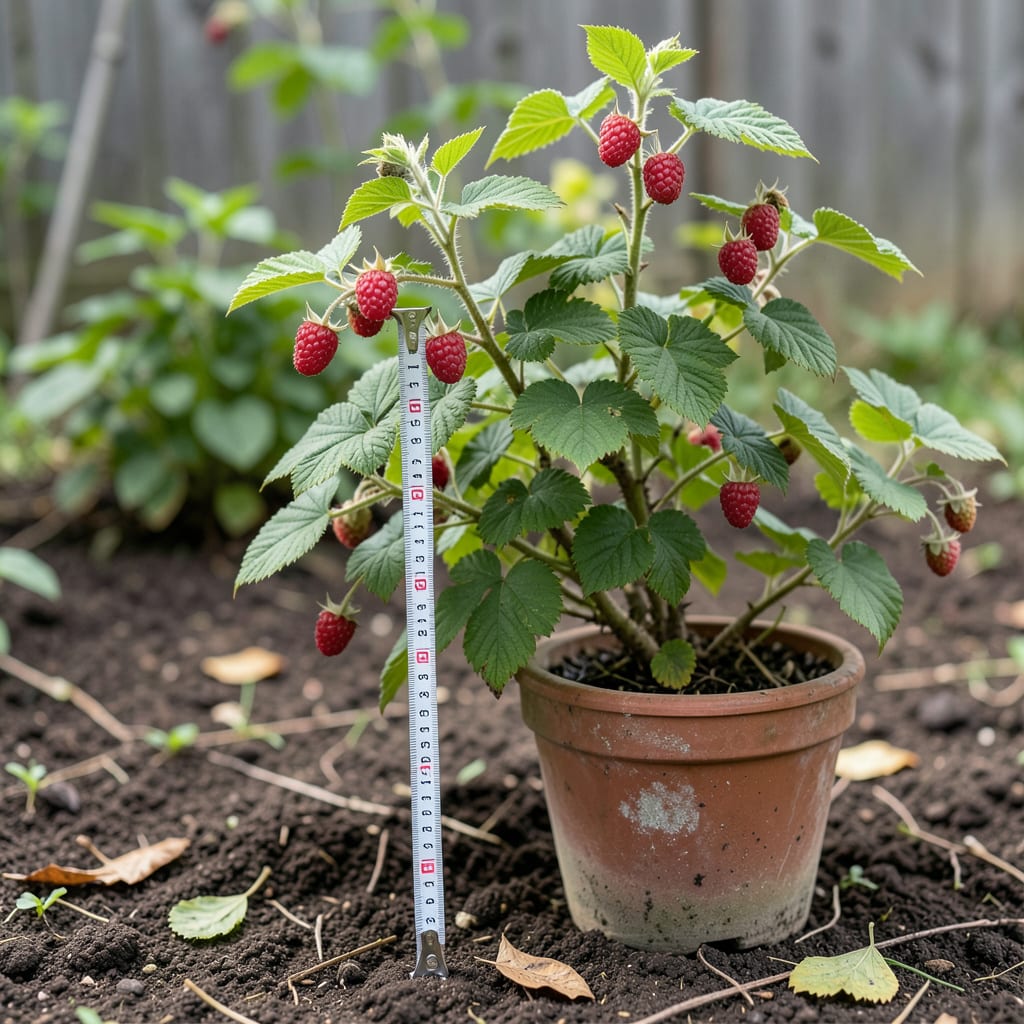
When growing 🍓 raspberries, understanding their height is crucial for proper garden planning. Raspberry bushes can grow between 3 to 6 feet tall, depending on the variety and growing conditions.
In USDA Zone 6, you can expect these plants to reach their full height within a few growing seasons. Proper pruning and training techniques can help manage their size and maximize yields.

Raspberry bushes are a popular choice for home gardeners, offering delicious fruit and relatively easy maintenance. Understanding their growth patterns is crucial for maximizing yield and maintaining plant health.
The height of raspberry bushes can vary significantly based on factors such as variety, growing conditions, and pruning practices. Generally, they can grow between 3 to 6 feet tall.
Raspberry plants typically grow in a biennial cycle, where first-year canes (primocanes) don’t produce fruit, while second-year canes (floricanes) produce fruit and then die back.
The variety of raspberry plant can significantly influence its height. Dwarf varieties typically grow 3-4 feet tall, while standard varieties can reach 4-6 feet or more. For example, the ‘Autumn Bliss’ variety is known for its compact growth habit, reaching heights of around 3-4 feet, making it ideal for smaller gardens.
Understanding these growth patterns helps gardeners make informed decisions about plant care and management. Proper care can lead to healthier plants and more abundant fruit production.
When selecting raspberry plants, consider factors like available space, desired maintenance level, and expected yield. This information will help you choose the most suitable variety for your gardening needs 🌿.
For optimal growth, raspberry bushes require full sun and well-draining soil. They thrive in USDA Zone 6, where they can receive the necessary chill hours to produce fruit.
Regular watering and fertilization are also crucial for healthy growth. Raspberries need consistent moisture, especially during the fruiting stage, and benefit from balanced fertilization in early spring and after harvest.
By understanding and managing these factors, gardeners can optimize their raspberry bush growth and enjoy a bountiful harvest.
Effective management of raspberry bushes involves a combination of proper pruning, training, and trellising. These techniques help control the height of the plants and improve overall fruit production.
For more detailed information on managing raspberry bush height, see the next section on pruning techniques and trellising methods.
Managing the height of raspberry bushes is crucial for maintaining their health and maximizing fruit production. Proper pruning and training techniques can help control the height and promote better yields.
Raspberry bushes can grow quite vigorously if not managed properly. Regular pruning is essential to keep them at a manageable height and encourage healthy growth.
Remove spent floricanes after harvest to promote new growth and maintain plant health.
Thin out new primocanes to about 6-8 inches apart to prevent overcrowding and promote air circulation.
Train new canes to a trellis or stake to keep them upright and promote better fruiting.
Effective pruning involves removing dead, diseased, or damaged canes. This helps maintain the overall health of the plant and encourages vigorous growth. Prune canes to about 2-3 inches from the ground in late winter or early spring.
Trellising is another important aspect of managing raspberry bush height. Using a trellis or stake can help keep the canes upright and organized, making it easier to harvest fruit and maintain the plants.
When training canes to a trellis, gently tie them to the support using soft ties or twine. This helps prevent damage to the canes and keeps them secure.
By implementing these pruning and training techniques, gardeners can effectively manage the height of their raspberry bushes and enjoy a more bountiful harvest 🌿.
Raspberry bushes come in various types, each with its own growth characteristics and height expectations. Understanding these differences is essential for gardeners to make informed decisions about plant selection and management.
The height of raspberry bushes can vary significantly based on the variety. Summer-bearing raspberries typically grow taller than fall-bearing varieties.
Summer-bearing varieties like ‘Latham’ and ‘Willamette’ are known for their vigorous growth and can reach heights of 4-6 feet. These plants produce fruit on second-year canes, making pruning practices crucial for maintaining their height and promoting fruit production.
Fall-bearing varieties, such as ‘Autumn Bliss’ and ‘Polka’, tend to be more compact, growing 3-5 feet tall. They produce fruit on first-year canes, simplifying their management.
Dwarf or compact varieties are ideal for smaller gardens or container growing. They typically reach heights of 2-4 feet, making them easier to manage and maintain.
When selecting a raspberry variety, consider factors like available space, desired maintenance level, and expected yield. This information will help you choose the most suitable variety for your gardening needs 🍓.
Raspberry bush height varies by type. Summer-bearing varieties typically grow 4-6 feet tall, while fall-bearing varieties reach 3-5 feet. Dwarf varieties are more compact, growing 2-4 feet tall. The specific variety and growing conditions affect the mature height. Proper care can help maximize their growth potential .
Yes, you can manage raspberry bush height through regular pruning and trellising. Prune old canes after harvest and thin new canes to about 6-8 inches apart. Training canes to a trellis helps keep them upright and promotes better fruiting. These techniques help maintain a manageable height and encourage healthy growth .
Prune your raspberry bushes at least once a year. For summer-bearing varieties, prune after harvest by removing spent floricanes. For fall-bearing varieties, prune in late winter or early spring by cutting canes to about 2-3 inches from the ground. Regular pruning helps control height and promotes healthy growth .
Raspberry bushes typically reach their mature height within 2-3 years after planting. While they may produce new canes annually, proper pruning practices help maintain their height. Without pruning, they can become unruly and overcrowded. Regular maintenance is key to keeping them healthy and productive .
