
Beautiful Plants For Your Interior
Beautiful Plants For Your Interior
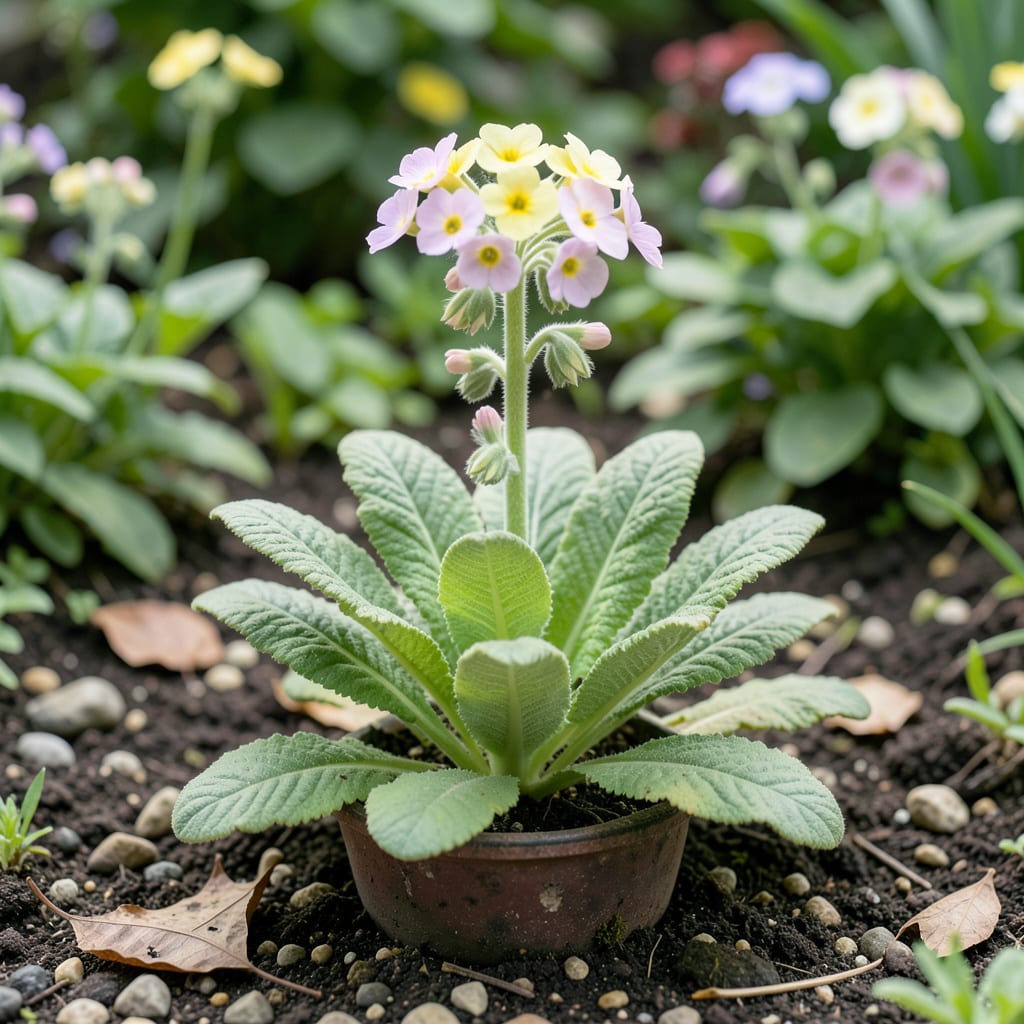
As spring arrives, Primroses 🌼 burst forth with vibrant colors, adding charm to any garden. But have you ever wondered just how tall these lovely flowers will grow? Understanding their growth habits is key to planning your garden perfectly.
Primroses typically grow between 0.5 to 1 foot tall, making them perfect for adding a delicate touch to your garden beds. Let’s explore what influences their height and how to make the most of these beautiful spring bloomers.


Primroses are charming spring flowers that add vibrant colors to any garden. Their height can vary based on the variety and growing conditions. Understanding their typical height range is essential for effective garden planning 🌼.
The height of primrose plants generally ranges between 0.5 to 1 foot tall. This makes them ideal for adding a delicate touch to garden beds without overwhelming other plants. The specific height can depend on factors such as soil quality, sunlight, and watering conditions 🌱.
The height of primroses can be influenced by various factors including soil quality, sunlight exposure, and watering practices. Primroses thrive in well-draining soil and partial shade, which can affect their overall height 🌿.
Dwarf varieties typically grow to be around 0.5-0.75 feet tall, making them perfect for container gardening or border edges. They are compact and produce a profusion of blooms 🌸.
Standard primrose varieties can reach heights of up to 1 foot, adding a vibrant display to garden beds. They are ideal for naturalizing in woodland gardens or under deciduous trees 🌲.
Semi-dwarf primroses fall somewhere in between, typically growing to be around 0.6-0.9 feet tall. They offer a good balance between compactness and flowering display 🌻.
Understanding these height variations helps gardeners choose the right primrose variety for their specific garden design needs. Whether you’re looking for a compact border plant or a taller accent piece, there’s a primrose variety to suit your requirements 🌺.
Primroses are versatile plants that can be used in various garden settings, from rock gardens to woodland areas. Their relatively small size makes them easy to incorporate into different garden designs 🏞️.
When planning your garden, consider the mature height of primroses along with other plants to create a harmonious and visually appealing landscape 🌸.
In addition to their height, primroses are known for their vibrant colors and early spring blooming. They are one of the first signs of spring in many gardens, providing a welcome burst of color after winter 🌻.
By understanding the typical height range of primroses and how various factors can influence their growth, gardeners can make informed decisions about where and how to plant these beautiful flowers 🌼.
Overall, primroses are a delightful addition to any garden, offering beauty and charm in the early spring season. Their relatively small stature makes them a versatile choice for many gardeners 🌺.
Primrose height can be influenced by several key factors that gardeners should consider when planning their garden. Understanding these elements helps create optimal growing conditions for these beautiful spring flowers 🌼.
Soil quality plays a crucial role in determining primrose height. Well-draining soil rich in organic matter typically produces healthier plants with more vigorous growth 🌱.
Light exposure significantly affects primrose growth. While they prefer partial shade, the amount of sunlight they receive can impact their height and flowering 🌞.
Watering practices are another critical factor. Consistent moisture promotes healthy growth, but overwatering can lead to root rot and stunted plants 💧.
Nutrient availability also influences primrose height. Balanced fertilization during the growing season can support vigorous growth and abundant flowering 🌻.
By understanding and managing these factors, gardeners can optimize the growth height of their primroses and create stunning spring displays 🌼.
Regular monitoring of these factors helps maintain optimal growing conditions for primroses throughout the growing season 🌿.
Gardeners should consider these factors when planting primroses to ensure they reach their full potential height and provide a beautiful display 🌺.
When planning your garden, understanding how to manage primrose height is crucial for creating a beautiful and balanced landscape 🌼.
Primroses typically grow between 0.5 to 1 foot tall, making them versatile for various garden designs. Their compact size allows for creative placement in different garden settings 🌻.
Use primroses to add a delicate touch to garden beds without overwhelming other plants. Their height makes them perfect for container gardening or border edges 🌸.
Companion planting is an excellent way to incorporate primroses into your garden design. They pair well with other spring-blooming flowers like daffodils and tulips, creating a vibrant display 🌺.
When planning your garden layout, consider the mature height of primroses along with other plants. This helps create a harmonious and visually appealing landscape 🌸.
Rock gardens and woodland areas are ideal locations for primroses. Their relatively small size and early spring blooming make them a great choice for these settings 🏞️.
By understanding how to manage primrose height, you can create a stunning spring display that enhances your garden’s beauty 🌼.
Regular maintenance, such as deadheading and dividing, can also help control primrose height and promote healthy growth 🌿.
With their charming blooms and manageable height, primroses are a delightful addition to any garden, offering beauty and charm in the early spring season 🌺.
Primrose plants usually grow between 0.5 to 1 foot tall, making them perfect for adding a delicate touch to garden beds. The exact height depends on factors like soil quality and sunlight exposure. Different varieties, such as dwarf or standard primroses, also affect their mature height .
Soil quality plays a crucial role in determining primrose height. Well-draining soil rich in organic matter promotes healthier plants with more vigorous growth, typically resulting in taller plants. Primroses thrive in slightly acidic to neutral soil pH (6.0-7.0), which supports optimal growth .
Yes, consistent moisture promotes healthy growth, but overwatering can lead to root rot and stunted plants. Watering primroses every 3 days during spring and ensuring the soil isn’t soggy helps maintain optimal height. Adjust watering frequency based on weather conditions to prevent waterlogged soil .
Yes, there are different primrose varieties with distinct height ranges. Dwarf primroses grow 0.5-0.75 feet tall, while standard primroses can reach up to 1 foot. Semi-dwarf primroses fall in between, typically growing 0.6-0.9 feet tall. Choosing the right variety helps achieve your desired garden design .
