
Beautiful Plants For Your Interior
Beautiful Plants For Your Interior
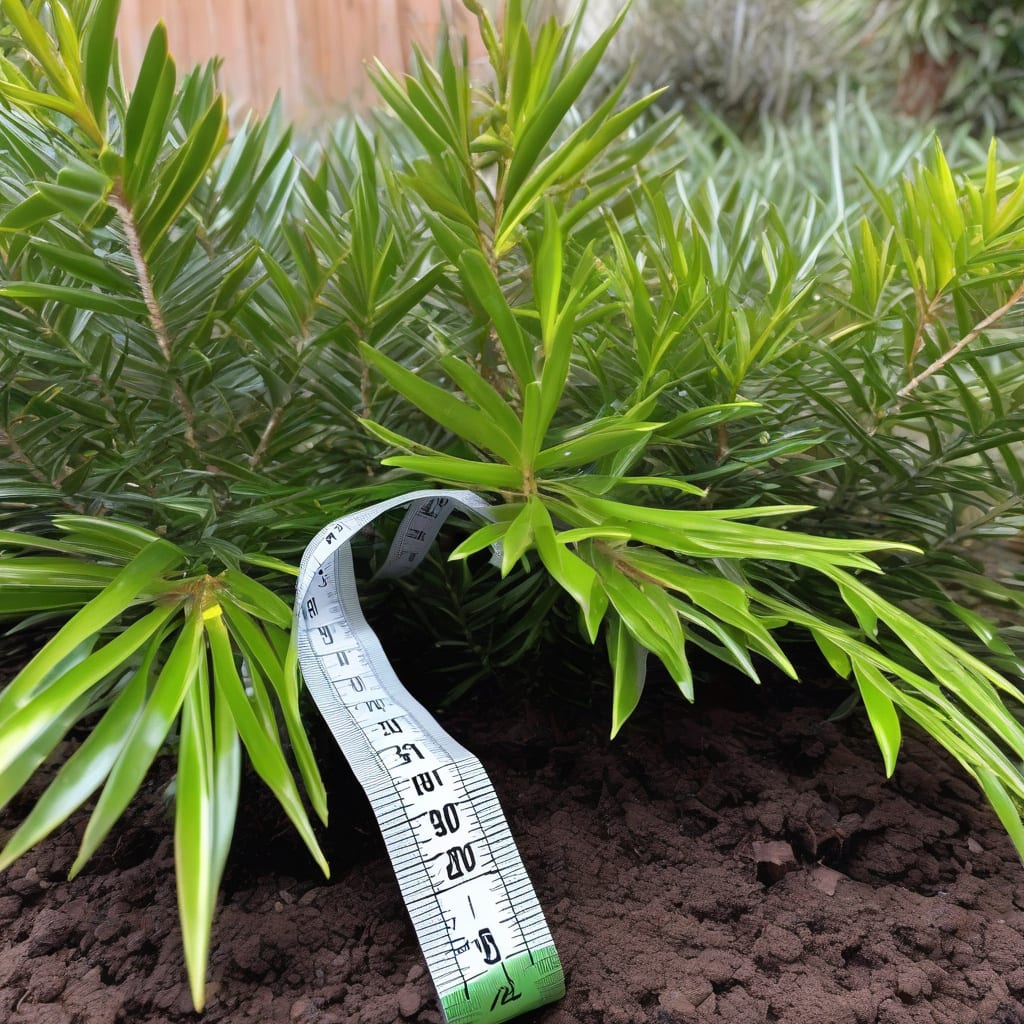
I’ve always been fascinated by the 🌳 Podocarpus tree’s elegant foliage and versatility in landscaping. Understanding how tall these trees can grow is crucial for proper placement in your garden, especially since they can reach varying heights depending on the species and growing conditions.
Whether you’re looking to create a natural screen or add some greenery to your landscape in USDA Zone 6, knowing what to expect from your Podocarpus tree’s growth potential is essential for making informed decisions about its care and maintenance.


I’ve always been fascinated by how tall Podocarpus trees can grow. The maximum height potential of these trees varies significantly based on the species and growing conditions. Some Podocarpus species can reach heights of up to 50 feet, while others remain much shorter, typically between 3 to 10 feet 🌳.
Understanding the specific type of Podocarpus you’re dealing with is crucial for anticipating its growth. Factors such as soil quality, climate, and pruning practices also play a significant role in determining the ultimate height of your Podocarpus tree.
The growth rate of Podocarpus trees can vary; some grow relatively slowly, at a rate of 1 to 2 feet per year, while others may grow more quickly under optimal conditions. Factors like sunlight exposure, water availability, and nutrient supply significantly influence the growth rate 🔥.
It’s also worth noting that while Podocarpus trees can grow quite tall, they can be effectively managed through pruning to maintain a desired height or shape. Regular pruning can help control the tree’s size and promote a healthier, more balanced structure.
For gardeners and landscapers, understanding the potential height of Podocarpus trees is essential for planning and maintenance. Whether you’re using them as a privacy screen or as an ornamental feature, knowing their growth potential helps in making the right decisions for your garden’s layout and care.
Podocarpus trees are not only valued for their height but also for their dense foliage and versatility in landscaping. They can be used in various settings, from formal gardens to more natural, woodland landscapes.
In conclusion, the height to which Podocarpus trees can grow is influenced by a combination of their species, growing conditions, and the care they receive. By understanding these factors, you can better manage your Podocarpus trees to achieve the desired height and overall health 🌿.
For those looking to plant Podocarpus trees, it’s essential to consider their mature size to ensure they have enough space to grow. This foresight can save a lot of trouble in the long run, especially when it comes to maintenance and pruning.
Overall, Podocarpus trees offer a range of benefits for gardeners, from their aesthetic appeal to their functional uses in landscaping. Their potential height is just one aspect to consider when incorporating these versatile trees into your garden design.
I’ve found that understanding the factors that affect Podocarpus growth height is crucial for gardeners and landscapers. The height potential of these trees can be influenced by several key factors, including soil quality, climate, and pruning practices 🌳.
The quality of the soil plays a significant role in determining the height of Podocarpus trees. Well-draining soil with adequate nutrient supply can support healthy growth, while poor soil conditions may limit the tree’s potential height.
Soil quality, climate, and pruning practices are critical factors that affect Podocarpus growth height. Understanding and managing these factors can help achieve the desired height and overall health of the tree.
Climate conditions, including temperature and moisture levels, also impact the growth height of Podocarpus trees. These trees generally thrive in mild temperatures and adequate moisture, which can support optimal growth.
Pruning practices are another crucial factor in managing the height of Podocarpus trees. Regular pruning can help control the tree’s size, promote a healthier structure, and maintain the desired shape.
In addition to these factors, sunlight exposure and water availability also play significant roles in determining the growth height of Podocarpus trees. Ensuring that the trees receive the right amount of sunlight and water can support healthy growth and development.
By understanding and managing these factors, gardeners and landscapers can better control the height of their Podocarpus trees and achieve the desired outcomes for their garden or landscape design 🌿.
For those looking to optimize the growth height of their Podocarpus trees, it’s essential to consider these factors and develop a comprehensive care plan that addresses their specific needs.
Overall, the height potential of Podocarpus trees is influenced by a combination of factors that require careful consideration and management to achieve the desired results.
I recommend understanding how to manage Podocarpus height through proper pruning and care techniques. The height potential of these trees can be effectively controlled with regular maintenance 🌳.
Pruning is a crucial aspect of managing Podocarpus height. By pruning regularly, you can maintain the desired shape and size of your tree. It’s essential to use proper pruning techniques to avoid damaging the tree.
Evaluate the tree’s current height and shape to determine the best pruning approach.
Remove select branches to maintain the desired height and promote a balanced structure.
Regularly monitor the tree’s growth and adjust your pruning schedule as needed.
In addition to pruning, proper care practices such as adequate watering and fertilization can support healthy growth and help maintain the desired height. Ensuring your Podocarpus receives the right amount of sunlight and water is also crucial 🌿.
By combining effective pruning techniques with proper care, you can manage the height of your Podocarpus trees and achieve the desired outcomes for your garden or landscape design.
For optimal results, consider factors like soil quality and climate conditions when caring for your Podocarpus trees. This comprehensive approach will help you maintain healthy, well-managed trees that enhance your outdoor space 🌟.
