
Beautiful Plants For Your Interior
Beautiful Plants For Your Interior
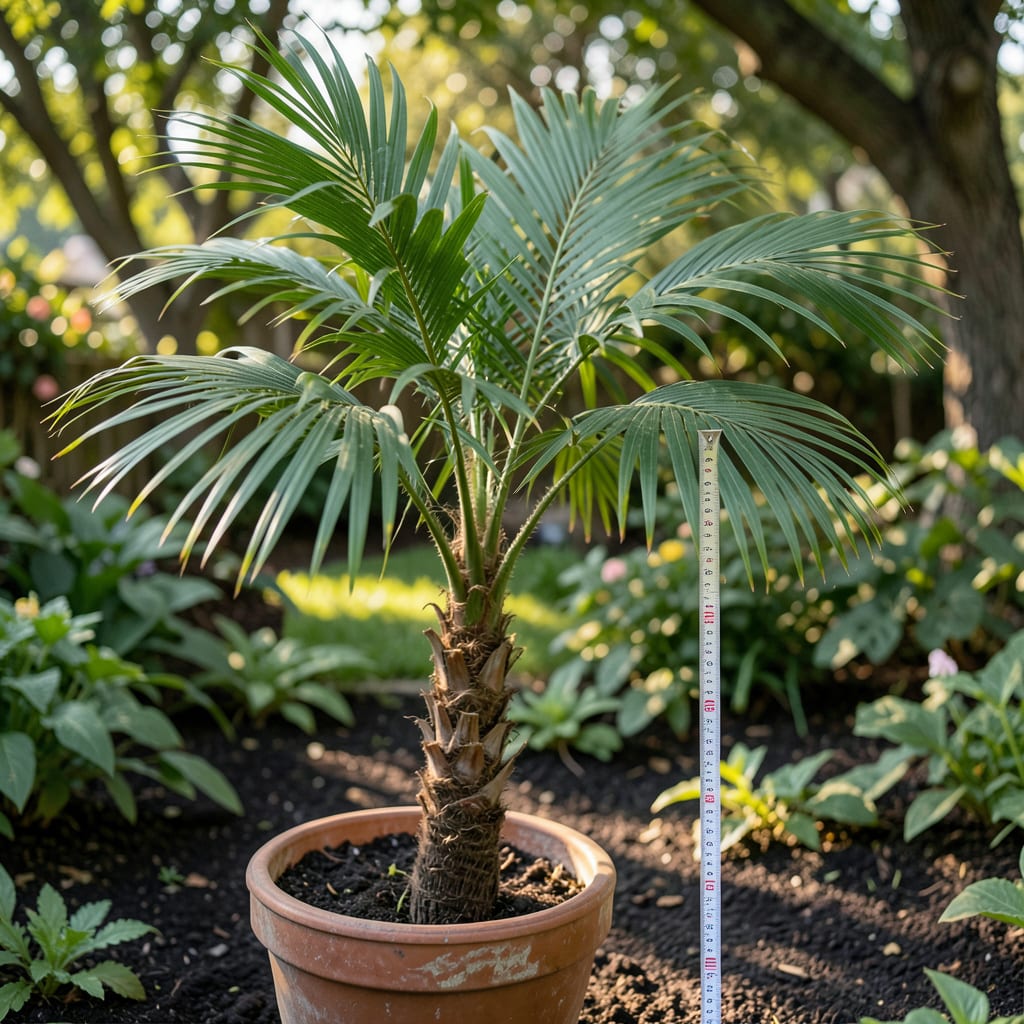
As I gaze at my Pygmy Date Palm 🌴, I’m always amazed by its elegant appearance and compact growth. Growing these beautiful palms requires understanding their height potential, especially when planning your garden layout.
In USDA Zone 6a, these palms typically grow between 6-12 feet tall. Proper care, including regular watering and fertilization, can help them reach their full potential. Let’s explore the factors that influence their growth and how to keep yours thriving.


Phoenix roebelenii palms, also known as Pygmy Date Palms, are popular for their elegant appearance and compact growth. Understanding their height potential is crucial for garden planning and ensuring they thrive in their environment 🌴.
The typical height range for mature Phoenix roebelenii palms is between 6 to 12 feet, with some specimens reaching up to 15 feet in ideal conditions. Their growth rate is generally considered slow to moderate, averaging about 1-2 feet per year under optimal care.
The height of Phoenix roebelenii palms can be influenced by several factors including soil quality, watering practices, and climate conditions. Palms grown in optimal conditions with well-draining soil and adequate sunlight tend to reach their maximum potential height more consistently.
It’s worth noting that these palms typically develop a single trunk and maintain a compact crown, making them suitable for both container gardening and landscape planting in appropriate climates.
Regular maintenance, including proper fertilization and pruning of dead fronds, can help promote healthy growth. However, excessive fertilization should be avoided as it can lead to weak growth and other issues.
For gardeners in USDA Zone 6a, it’s essential to provide protection during colder months as Phoenix roebelenii palms are sensitive to frost. Using container planting can help move the palms to protected areas during winter.
The slow growth rate of these palms means they maintain their shape well over time, requiring less frequent pruning compared to faster-growing species. This characteristic makes them particularly appealing for long-term landscape design.
In summary, while Phoenix roebelenii palms have a relatively compact mature height, their actual size can vary based on growing conditions and care practices. By understanding these factors, gardeners can better predict and manage the growth of their palms 🌿.
For optimal growth, ensure your Phoenix roebelenii palm receives full sun to partial shade and maintain a consistent watering schedule. These practices will help your palm reach its full height potential while maintaining overall health.
When planting in containers, choose a pot that is well-draining and slightly larger than the root ball. This will give the roots room to grow and help prevent waterlogging, which can stunt the palm’s growth.
By following these guidelines and understanding the growth patterns of Phoenix roebelenii palms, you can enjoy these beautiful plants in your garden for years to come, appreciating their elegant appearance and manageable size 🌸.
The growth height of Phoenix roebelenii palms can be influenced by several key factors. Understanding these elements is crucial for gardeners who want to optimize the growth and health of their palms 🌴.
Climate plays a significant role in determining the height of Phoenix roebelenii palms. These palms thrive in warm, tropical, and subtropical climates. They are sensitive to frost and cold temperatures, which can limit their growth in cooler regions.
Phoenix roebelenii palms are native to southern China and Laos, where they grow in tropical and subtropical regions. This origin influences their climate preferences and growth habits.
Soil quality is another critical factor affecting the growth height of Phoenix roebelenii palms. These palms prefer well-draining soil that is rich in organic matter. Poor soil conditions can lead to stunted growth and other health issues.
Watering practices also impact the height of Phoenix roebelenii palms. Consistent moisture is essential, especially during the growing season. However, overwatering can lead to root rot and other problems that may stunt the palm’s growth.
Maintenance practices, including fertilization and pruning, can influence the palm’s height. Regular fertilization with a balanced fertilizer can promote healthy growth, while pruning dead fronds helps maintain the palm’s appearance and health.
By understanding and managing these factors, gardeners can create optimal conditions for their Phoenix roebelenii palms to reach their full height potential 🌿.
In USDA Zone 6a, gardeners should take extra care to protect their Phoenix roebelenii palms from frost and cold temperatures. Using container planting allows for the palms to be moved to protected areas during winter, helping to ensure their survival and continued growth.
Overall, the height of Phoenix roebelenii palms is influenced by a combination of environmental factors and care practices. By providing the right conditions and proper care, gardeners can help their palms thrive and reach their maximum height 🌸.
Phoenix roebelenii palms require regular maintenance to manage their height and promote healthy growth 🌴. Understanding the proper care techniques is essential for gardeners who want to keep their palms at the desired height while maintaining their overall health and appearance.
One of the most effective ways to manage the height of Phoenix roebelenii palms is through pruning. Regular pruning helps remove dead or damaged fronds, which not only improves the palm’s appearance but also prevents potential health issues. It’s essential to use clean, sharp pruning tools to make precise cuts and minimize damage to the plant.
Start by removing any dead or damaged fronds to maintain the palm’s health and appearance.
Selectively remove excess fronds to control the palm’s density and promote air circulation.
Fertilize regularly with a balanced fertilizer to support healthy growth.
In addition to pruning, container size can also influence the height of Phoenix roebelenii palms. Using a larger container can provide more room for root growth, potentially leading to a taller palm. However, it’s essential to ensure the container has adequate drainage to prevent waterlogging.
Fertilization practices also play a role in managing palm height. Using a balanced fertilizer during the growing season can promote healthy growth. It’s crucial to follow the recommended fertilization schedule to avoid over-fertilizing, which can lead to weak growth and other issues.
By combining proper pruning techniques with appropriate care practices, gardeners can effectively manage the height of their Phoenix roebelenii palms while maintaining their overall health and beauty 🌿.
For gardeners in USDA Zone 6a, it’s also important to consider the palm’s sensitivity to frost. Using container planting allows for the palms to be moved to protected areas during winter, helping to ensure their survival and continued growth.
Overall, managing the height of Phoenix roebelenii palms requires a combination of regular pruning, proper care, and consideration of environmental factors. By following these guidelines, gardeners can enjoy these beautiful palms in their gardens for years to come 🌸.
Phoenix roebelenii palms, also known as Pygmy Date Palms, typically grow between 6 to 12 feet tall, with some specimens reaching up to 15 feet in ideal conditions. Their growth rate is generally considered slow to moderate, averaging about 1-2 feet per year under optimal care. Proper care and conditions can help them reach their full height potential .
Several factors can influence the height of Phoenix roebelenii palms, including climate, soil quality, watering practices, and maintenance practices. These palms thrive in warm, tropical, and subtropical climates and prefer well-draining soil rich in organic matter. Consistent moisture and regular fertilization also promote healthy growth and maximum height .
Yes, you can manage the height of your Phoenix roebelenii palm through pruning and container size. Regular pruning helps remove dead or damaged fronds and can control the palm’s density. Using a larger container can provide more room for root growth, potentially leading to a taller palm. However, ensure the container has adequate drainage to prevent waterlogging. Proper care practices will help maintain the palm’s overall health and beauty .
