
Beautiful Plants For Your Interior
Beautiful Plants For Your Interior
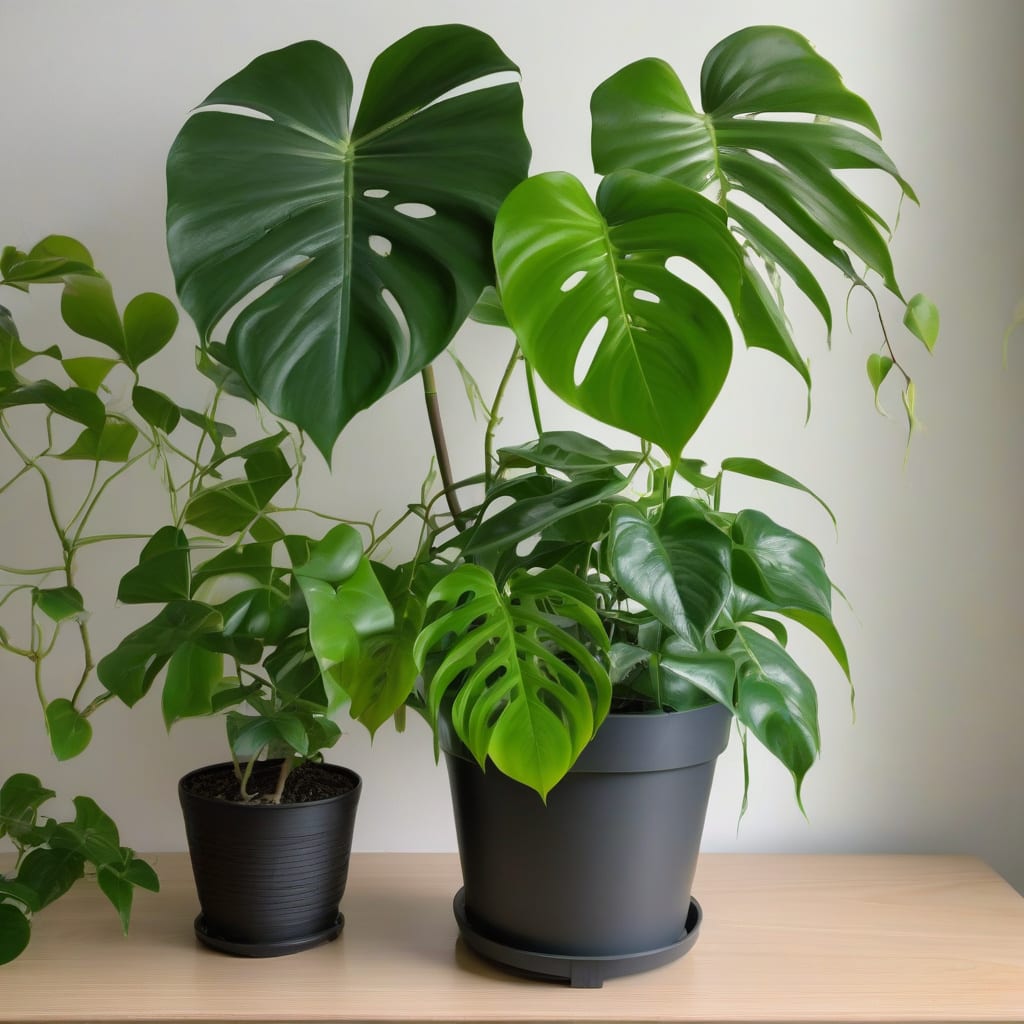
I’ve always been fascinated by how tall philodendrons 🌱 can grow – some varieties can reach heights of up to 20 feet! Understanding their growth potential is key to creating the perfect indoor or outdoor space.
Whether you’re growing philodendrons in USDA Zone 6 or another region, knowing what to expect helps you plan better. Let’s explore the factors that affect their height and how you can manage their growth.

Philodendron height is influenced by multiple factors that work together to determine their overall growth. Understanding these elements helps you create optimal conditions for your plants to thrive and reach their maximum potential height 🌿.
The primary factors affecting philodendron height include light exposure, watering practices, and nutrient availability. Each of these elements plays a crucial role in determining how tall your philodendron will grow.
The interplay between these factors determines the ultimate height of your philodendron. For instance, bright light encourages more vigorous growth, while insufficient light can lead to leggy, stretched-out plants. Similarly, consistent watering and regular fertilization support healthy development and maximum height potential 🌱.
Different philodendron varieties have varying growth habits – some are naturally more compact, while others can grow quite tall. Understanding your specific plant’s needs helps you create the ideal environment for it to reach its full height potential 🌿.
When considering how tall philodendrons can grow, it’s essential to remember that climbing varieties can reach greater heights when provided with proper support. In contrast, non-climbing types tend to remain more compact, making them suitable for different growing situations.
Philodendrons generally prefer well-draining soil and moderate humidity, which contribute to their overall health and growth. By maintaining these conditions, you can encourage your philodendron to grow to its maximum potential height 🌻.
Regular monitoring of your plant’s growth allows you to adjust care practices as needed. For example, if you notice slow growth, you might need to adjust your fertilization schedule or provide more support for climbing varieties.
By understanding and managing these growth factors, you can help your philodendron reach its full height potential while maintaining its health and appearance. This comprehensive approach ensures your plant thrives in its environment 🌿.
Creating the right balance of care and support enables philodendrons to achieve remarkable heights. Whether you’re growing a compact variety or a tall climber, proper care practices make all the difference in their overall growth and development 🌱.
The maximum height a philodendron can achieve depends on both its genetic potential and the care it receives. By optimizing growing conditions and providing appropriate support, you can help your philodendron reach its maximum height while maintaining its overall health 🌻.
With proper care and attention to the factors that influence growth, philodendrons can become stunning additions to any indoor or outdoor space, offering both beauty and a touch of natural elegance 🌱.
Philodendrons come in various types, each with its unique growth characteristics. Understanding the maximum height of different philodendron varieties helps you choose the right plant for your space 🌿.
The height of philodendrons can vary significantly depending on the specific variety. Some compact types remain relatively small, while others can grow quite tall with proper support 🌻.
When considering how tall philodendrons can grow, it’s essential to understand that climbing varieties require support to reach their maximum height. These plants can grow quite tall when given a trellis or stake to climb on 🌿.
Non-climbing philodendrons, on the other hand, tend to remain more compact and are often preferred for indoor spaces where height might be a concern. These varieties still offer beautiful foliage but don’t require additional support 🌱.
The maximum height a philodendron can achieve depends on both its genetic potential and the care it receives. Factors such as light exposure, watering, and fertilization all play crucial roles in determining the plant’s ultimate size 🌻.
Some popular philodendron varieties include the Heartleaf Philodendron, which can trail or climb, and the Tree Philodendron, known for its impressive height potential. Understanding these differences helps you select the right variety for your needs 🌿.
Regular pruning and training can also influence a philodendron’s height. By selectively removing certain growth and providing appropriate support, you can manage the plant’s overall size and shape 🌱.
When growing philodendrons, it’s helpful to remember that their growth rate and maximum height can be influenced by environmental factors. Temperature, humidity, and light levels all contribute to the plant’s overall development 🌻.
By understanding the growth habits of different philodendron varieties, you can make informed decisions about which plants to include in your indoor or outdoor spaces. This knowledge helps you create beautiful, thriving environments that showcase your plants’ full potential 🌱.
Whether you’re growing compact philodendrons or tall climbing varieties, proper care and attention to the plant’s needs will help it reach its maximum height while maintaining its overall health and appearance 🌿.
Managing philodendron height requires a combination of proper care techniques and regular maintenance. By understanding how to control or encourage vertical growth, you can keep your plants healthy and thriving 🌱.
Regular pruning helps control height and encourages bushier growth. Remove leggy stems and trim back overgrown areas to maintain desired height and promote healthier development 🌿.
To effectively manage philodendron height, it’s essential to understand the importance of pruning techniques. Regular pruning not only controls the plant’s height but also promotes healthier growth by removing dead or damaged leaves 🌻.
When pruning your philodendron, use clean, sharp tools to make precise cuts. This helps prevent damage to the plant and reduces the risk of disease transmission. Focus on removing leggy or overgrown stems to maintain the desired height and shape 🌱.
Training your philodendron is another effective way to manage its height. For climbing varieties, provide a sturdy trellis or stake for the plant to grow on. This not only supports vertical growth but also helps keep the plant organized and visually appealing 🌿.
In addition to pruning and training, proper care practices play a crucial role in managing philodendron height. Ensure your plant receives adequate light, appropriate watering, and regular fertilization to support healthy growth and development 🌻.
By combining these techniques and maintaining consistent care, you can effectively manage your philodendron’s height and enjoy a thriving, beautiful plant in your indoor or outdoor space 🌱.
