
Beautiful Plants For Your Interior
Beautiful Plants For Your Interior
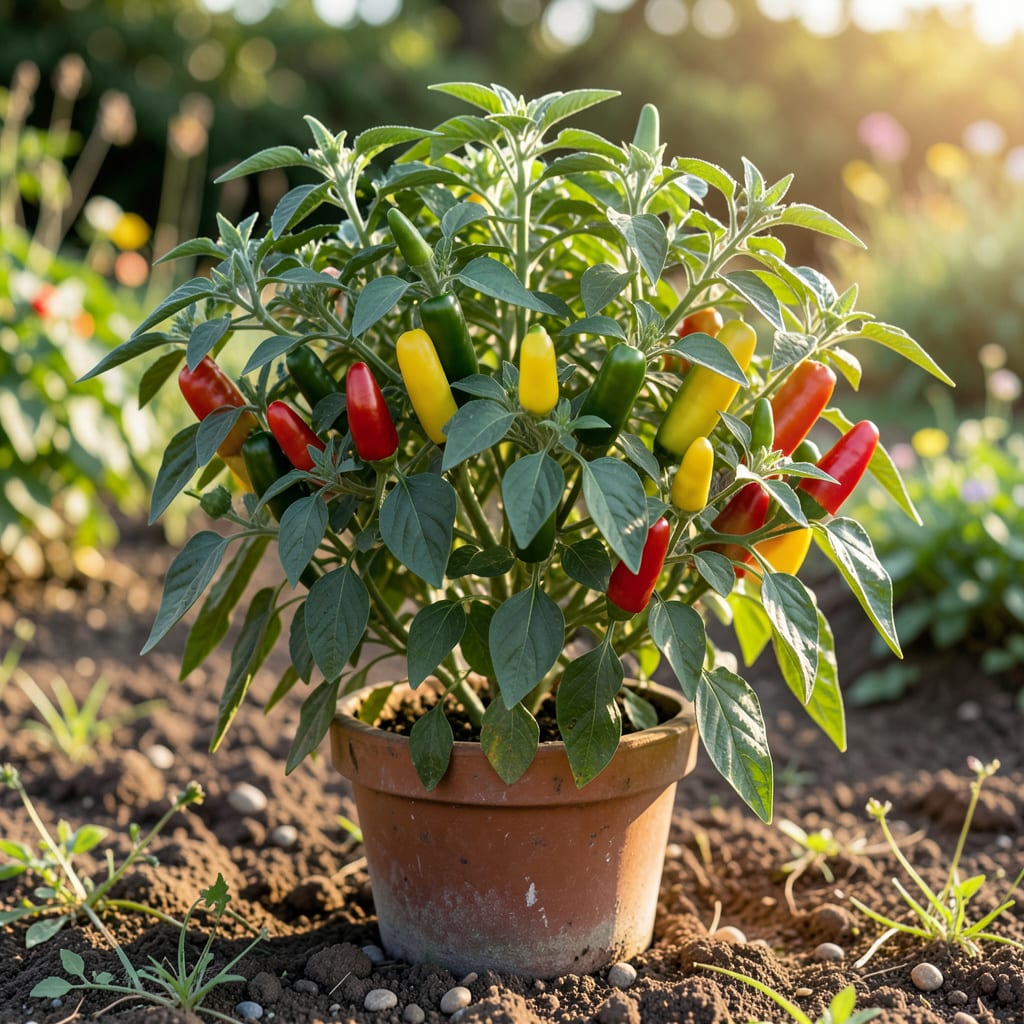
When growing 🌶️ Pepperoncini plants in USDA Zone 6, understanding their height is crucial for garden planning. These mild peppers typically grow between 2-4 feet tall, making them a great addition to most gardens.
Proper care and support can help maximize their growth and yield. Let’s explore the factors that influence their height and how to manage them effectively for a bountiful harvest.


Pepperoncini plants are known for their compact growth habit, typically reaching heights between 2-4 feet. This makes them suitable for both garden beds and container gardening. The plants have a moderate growth rate, usually taking about 60-90 days to mature from transplanting 🌿.
The height of pepperoncini plants can vary based on several factors including soil quality, sunlight exposure, and cultivation practices. Proper care can help maximize their growth potential and yield. Let’s examine the typical growth patterns and factors influencing their height 🔍.
The growth pattern of pepperoncini plants is influenced by their genetic makeup and environmental conditions. These plants are typically upright and may require support as they grow, especially when laden with fruit 🌿.
Factors such as soil fertility, water availability, and temperature play crucial roles in determining the final height of pepperoncini plants. Optimal growing conditions can result in healthier, more vigorous plants that reach their maximum potential height 🌱.
In USDA Zone 6, pepperoncini plants usually thrive during the warm summer months, growing steadily from late spring through early fall. Regular watering and fertilization can support their growth during this period 🌻.
Pepperoncini plants have a relatively compact growth habit compared to some other pepper varieties. This characteristic makes them ideal for small gardens or container gardening, where space may be limited 📏.
The plants’ upright growth habit helps in maintaining cleanliness and reducing the risk of soil-borne diseases. However, they may still benefit from occasional pruning to promote better air circulation and fruit production 🌸.
As pepperoncini plants grow, they develop multiple branches, which can increase their overall yield. Proper spacing between plants, typically 12-18 inches, allows for adequate air circulation and sunlight penetration, supporting healthy growth and maximizing height 📈.
Understanding these growth patterns is essential for gardeners to plan their pepperoncini cultivation effectively, ensuring they provide the necessary support and care throughout the growing season 🌞.
By recognizing the factors that influence pepperoncini plant height, gardeners can take steps to optimize growing conditions and achieve a bountiful harvest of these delicious peppers 🌶️.
Overall, pepperoncini plants are relatively easy to grow and can thrive in a variety of garden settings, provided they receive the right care and attention. Their compact size and productive nature make them a popular choice among home gardeners 🌼.
The height of pepperoncini plants is influenced by several key factors, including soil quality, sunlight exposure, and cultivation practices. Understanding these factors is crucial for optimizing plant growth and maximizing yield 🌿.
Soil quality plays a significant role in determining pepperoncini plant height. Soil that is rich in organic matter and has good drainage can support healthier plant growth. Proper fertilization is also essential, as it provides the necessary nutrients for optimal development 🌱.
Pepperoncini plants benefit from consistent moisture and regular fertilization to achieve optimal height and yield.
Sunlight exposure is another critical factor affecting pepperoncini plant height. These plants require full sun to thrive, meaning they need at least 6 hours of direct sunlight per day. Insufficient sunlight can lead to leggy growth and reduced fruit production ☀️.
Cultivation practices, such as pruning and support, can also impact pepperoncini plant height. Pruning can help control plant height and promote bushier growth, while support can prevent plants from becoming too leggy or breaking under the weight of their fruit 🌸.
By understanding and managing these factors, gardeners can optimize the growth of their pepperoncini plants and achieve a bountiful harvest 🌼.
In addition to these factors, temperature and water availability also play significant roles in determining pepperoncini plant height. Optimal temperatures and consistent watering can support healthy growth and maximize yield 🌻.
Overall, pepperoncini plants are relatively easy to grow and can thrive in a variety of garden settings, provided they receive the right care and attention. Their compact size and productive nature make them a popular choice among home gardeners 🌞.
Managing pepperoncini plant height is crucial for maximizing yield and maintaining plant health. Proper techniques can help control plant size while promoting fruit production 🌿.
One effective method for managing pepperoncini plant height is through pruning. Pruning helps control the plant’s size, encourages bushier growth, and improves air circulation, which can reduce the risk of disease 🔍.
Remove lower branches to improve air circulation and reduce soil-borne diseases.
Pinch off the top growth to encourage branching and more fruiting sites.
Use stakes or cages to support plants, especially when laden with fruit, to prevent breakage.
In addition to pruning, proper spacing between plants is essential. Planting pepperoncini 12-18 inches apart allows for adequate air circulation and sunlight penetration, supporting healthy growth and maximizing yield 📏.
Support structures like stakes or cages can prevent plants from becoming too leggy or breaking under the weight of their fruit. This support is particularly important for pepperoncini plants laden with peppers 🌸.
By implementing these techniques, gardeners can effectively manage pepperoncini plant height, promote healthier plants, and enjoy a more bountiful harvest 🌼.
Regular monitoring and adjustment of these practices can further optimize plant growth and productivity. With the right care, pepperoncini plants can thrive and provide a plentiful supply of delicious peppers throughout the growing season 🌞.
Effective management of pepperoncini plant height not only improves yield but also makes harvesting easier and more efficient. By following these tips, gardeners can make the most of their pepperoncini plants 🌻.
Pepperoncini plants usually grow between 2-4 feet tall, making them suitable for both garden beds and container gardening. Their compact growth habit allows for easy management in various garden settings. Proper care can help them reach their maximum height potential .
Several factors affect pepperoncini plant height, including soil quality, sunlight exposure, and cultivation practices. Soil rich in organic matter and proper fertilization support healthy growth, while full sun exposure promotes optimal development. Regular pruning and support can also impact their final height .
Yes, you can manage pepperoncini plant height through techniques like pruning and providing support. Pruning helps control size and encourages bushier growth, while stakes or cages prevent plants from becoming leggy or breaking under fruit weight. Proper spacing between plants also supports healthy growth .
Pepperoncini plants typically take 60-90 days to mature from transplanting. During this period, they require consistent care, including regular watering and fertilization, to support their growth and maximize yield. Monitoring their progress helps ensure a bountiful harvest .
