
Beautiful Plants For Your Interior
Beautiful Plants For Your Interior
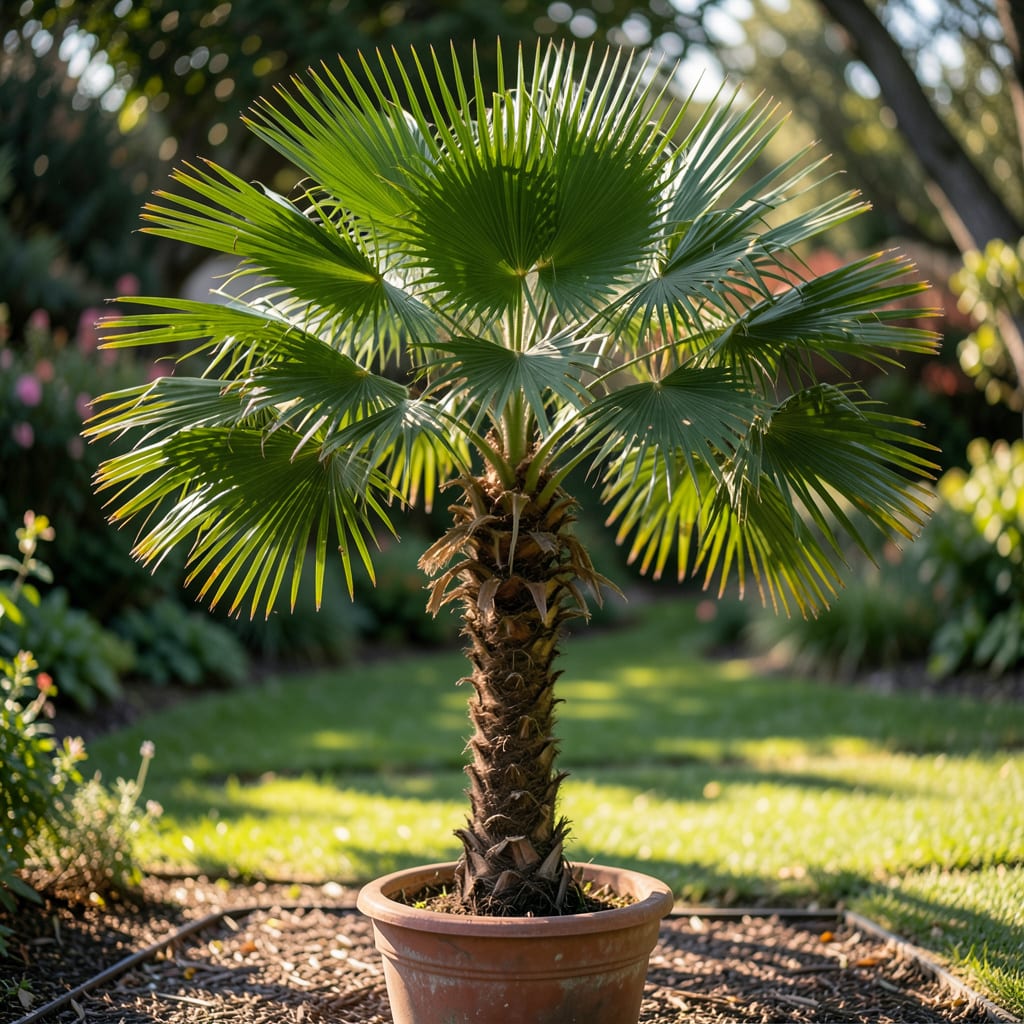
As I step into my garden, I’m greeted by the majestic sight of my Palmetto Tree 🌴 towering above. Growing up to 30-40 feet tall, these trees are a staple in many Southern landscapes.
Understanding how tall Palmetto Trees can grow helps you plan your garden effectively. Let’s explore the factors that influence their height and how to care for them to promote optimal growth in USDA Zone 6.


Palmetto trees are known for their impressive height, typically growing between 30-40 feet tall. The exact height can vary depending on the specific species and growing conditions 🌴.
Understanding the growth patterns of Palmetto trees helps you plan your garden effectively. Let’s explore the factors that influence their height and how to care for them to promote optimal growth.
The height of Palmetto trees is influenced by several factors, including the specific species variation, soil conditions, and climate impact. Different species of Palmetto trees can grow to varying heights, with some reaching up to 40 feet or more in ideal conditions.
Soil conditions play a crucial role in determining the height of Palmetto trees. They prefer well-drained soil and can thrive in a variety of soil types, from sandy to clay soils. However, the soil’s need for good drainage is critical, as poor drainage can lead to root rot and other growth issues.
Climate is another significant factor that affects the height of Palmetto trees. They are adapted to warm, humid climates and can tolerate a range of temperatures. However, extreme weather conditions, such as drought or flooding, can impact their growth and maximum height.
The typical mature height range for different Palmetto tree species varies, but most grow to be between 30-40 feet tall. Some species, like the Sabal Palmetto, can reach heights of up to 40 feet or more in ideal conditions.
To promote optimal growth and maximize the height of your Palmetto tree, it’s essential to provide the right growing conditions. This includes ensuring they receive adequate sunlight, water, and nutrients. Regular maintenance practices, such as pruning and fertilization, can also help support healthy growth.
In addition to providing the right growing conditions, it’s essential to be aware of potential issues that can impact the height of your Palmetto tree. This includes pests, diseases, and environmental stressors, which can all affect the tree’s growth and maximum height.
By understanding the factors that influence the height of Palmetto trees and providing the right care, you can help your tree reach its full potential and enjoy its majestic presence in your garden for years to come 🌴.
Regular monitoring of your tree’s health and adjusting your care practices accordingly can make a significant difference in its growth. This includes checking for signs of nutrient deficiency, pest infestation, or disease, and taking action promptly if you notice any issues.
With proper care and attention, Palmetto trees can thrive and become a stunning feature in any landscape. Their ability to grow tall and provide shade makes them an excellent choice for many gardeners.
When I first planted my Palmetto, I was curious about how tall it could become. Knowing that these trees can reach 30‑40 feet helps me design spacing and shade. In my experience, sunlight, soil, and water are the three pillars that drive height. 🌞
I’ve learned that full sun—at least 6+ hours of direct light each day—is essential. Palmettos positioned on a south‑facing side receive the most photosynthesis energy, which translates to taller, sturdier trunks. Too much shade caps growth at a fraction of its potential.
Full sun, well‑drained soil, and consistent deep watering yield the tallest Palmettos.
In my garden, I test the soil and aim for a well‑drained texture with a pH 6‑7 range. Adding organic matter like compost improves structure, allowing the root system to spread and support vertical growth. Poor drainage often leads to stunted height and root rot.
I water my Palmetto with a deep soak once weekly, preferably in the morning before 10 AM. This schedule mimics natural rainfall and encourages the tree’s drought‑tolerant traits while preventing shallow roots that limit height. Over‑watering can suffocate roots, reducing growth speed. 💧
Living in USDA Zone 6, I notice that warm, humid summers boost Palmetto vigor, while harsh freezes can stunt growth. Protecting young trees from extreme weather with mulching or windbreaks preserves their height potential. Consistent temperature ranges promote steady annual increase.
I apply a balanced fertilizer (10‑10‑10) in early spring to give my Palmetto a growth spur. Feeding every 6‑8 weeks supplies essential nutrients that support taller trunks and leaf density. Skipping fertilization often results in thinner, shorter specimens.
I perform annual pruning to remove dead fronds and improve airflow through the canopy. This practice not only prevents disease but also directs energy toward vertical growth, aiding height control. Light trimming encourages new shoots that add to overall stature.
By monitoring growth each season and adjusting care—sun, water, soil, and nutrients—you’ll guide your Palmetto toward its optimal height. A mature tree not only adds visual drama but also provides cool shade for outdoor gatherings. 🌴
I maintain my Palmetto tree’s height through regular pruning techniques and care practices. Proper pruning helps control the tree’s size and promotes healthy growth 🌱.
To keep my Palmetto tree at the desired height, I remove dead or damaged fronds annually. This not only improves the tree’s appearance but also prevents disease and pest issues. I use sharp, clean pruning tools to make clean cuts, which helps the tree heal quickly.
Prune your Palmetto tree annually to maintain its height and promote healthy growth.
In addition to pruning, I ensure my Palmetto tree receives proper care. This includes providing adequate sunlight, water, and nutrients. Regular fertilization with a balanced fertilizer (10-10-10) in early spring and summer supports healthy growth.
I also monitor my tree’s health regularly, checking for signs of nutrient deficiency, pest infestation, or disease. Taking action promptly if I notice any issues helps prevent problems that can impact the tree’s height and overall health.
By combining regular pruning with proper care practices, I can maintain my Palmetto tree’s desired height while promoting its overall health and well-being 🌴.
Regular maintenance is key to keeping your Palmetto tree thriving. By following these tips, you can enjoy your tree’s beauty and benefits for years to come.
Palmetto trees typically grow between 30-40 feet tall, with some species reaching heights of up to 40 feet or more in ideal conditions. The exact height can vary depending on the specific species and growing conditions .
Palmetto trees have a moderate growth rate, typically growing about 1-2 feet per year. Factors such as sunlight, soil quality, and watering can influence their growth rate.
Yes, you can manage the height of your Palmetto tree through regular pruning techniques and care practices. Removing dead or damaged fronds annually can help control the tree’s size and promote healthy growth .
Several factors influence the height of Palmetto trees, including species variation, soil conditions, and climate impact. Providing full sun, well-drained soil, and adequate watering can help promote optimal growth.
