
Beautiful Plants For Your Interior
Beautiful Plants For Your Interior
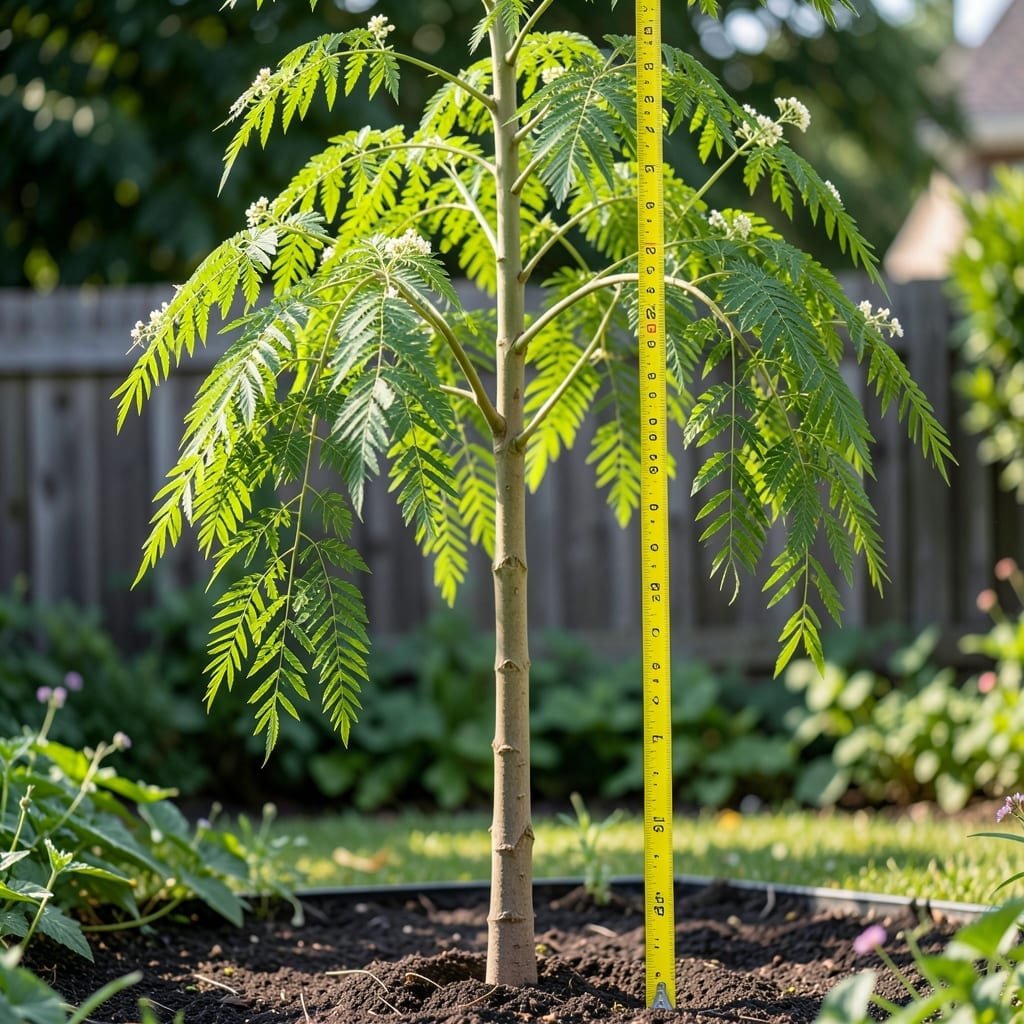
Moringa trees are prized for their rapid growth and nutritional benefits, but their towering height often surprises new gardeners. Understanding their potential size is key to planning your outdoor space effectively.
The 🌳 Moringa Tree can reach impressive heights that might catch you off guard if you’re not prepared. Many gardeners don’t realize just how tall these trees can grow in ideal conditions.
Whether you’re planting in zone 9b or a similar climate, knowing what to expect helps you make the most of your garden. From spring to early summer planting, the growth can be remarkable.
Discover how to manage this growth and what factors influence the final height. This knowledge will help you create the perfect environment for your Moringa Tree.


If you’re planting moringa trees in your garden, expect them to reach 20-40 feet tall at maturity. These fast-growing trees can surprise gardeners with their rapid vertical growth, especially in ideal conditions.
In the first year, a healthy moringa tree typically grows 3-5 feet, and by year two, it can reach 8-12 feet. By year three, many gardeners see their trees hitting 15-20 feet, with continued growth thereafter.
| Growth Stage | Typical Height |
| Year 1 | 3-5 ft |
| Year 2 | 8-12 ft |
| Year 3 | 15-20 ft |
| Mature | 20-40 ft |
| Dwarf Varieties | 8-10 ft |
For those with limited space, dwarf moringa varieties stay compact at 8-10 feet, making them perfect for small gardens or containers. These smaller types still produce abundant leaves and pods.
In tropical climates with year-round warmth, moringa trees may grow taller than 40 feet. However, in cooler USDA zones like 9b, they typically max out at the 20-30 feet range.
Soil quality and sunlight exposure significantly impact height. A moringa planted in well-draining soil with full sun (6+ hours daily) will grow taller and faster than one in poor conditions.
I’ve seen moringa trees in southern California gardens reach 25 feet in just four years with proper care. The key is consistent watering during the first two years to establish a strong root system.
For container growing, choose a large pot (at least 20 gallons) to support growth. Even in containers, moringa can reach 10-12 feet, though they’ll be smaller than in-ground specimens.
Remember that pruning can control height. Regular trimming encourages bushier growth and keeps the tree at a manageable size for harvesting leaves and pods.
In my experience, the fastest growth occurs during the warmest months (June-August). During this period, moringa can add 2-3 feet per month under optimal conditions.
This remarkable growth rate makes moringa one of the most rewarding trees for gardeners who want quick results and abundant harvests 🌳
When I first planted my moringa tree, I was amazed by how quickly it shot upward. But not all trees reach the same height—growing conditions play a huge role in their final size.
In my experience, sunlight exposure is the biggest factor. Trees in full sun often grow taller than those in partial shade. Similarly, consistent watering and nutrient-rich soil fuel rapid growth. 🌱
I’ve noticed that container-grown moringa stays smaller—usually 8-12 feet—while in-ground trees can soar to 30-40 feet. This makes containers a great option for small gardens or patios.
Another key point: pruning techniques. By cutting back the main leader early, I’ve kept my trees bushier and more manageable. This also encourages lateral branching, which is great for leaf harvests.
Dwarf varieties are another solution for limited spaces. These typically max out at 10 feet, perfect for urban gardeners or balcony setups. They still produce plenty of nutritious leaves.
Lastly, wind protection matters. Strong gusts can stunt growth or even topple young trees. I use stakes or windbreaks for the first year or two until the trunk thickens. 🌿