
Beautiful Plants For Your Interior
Beautiful Plants For Your Interior
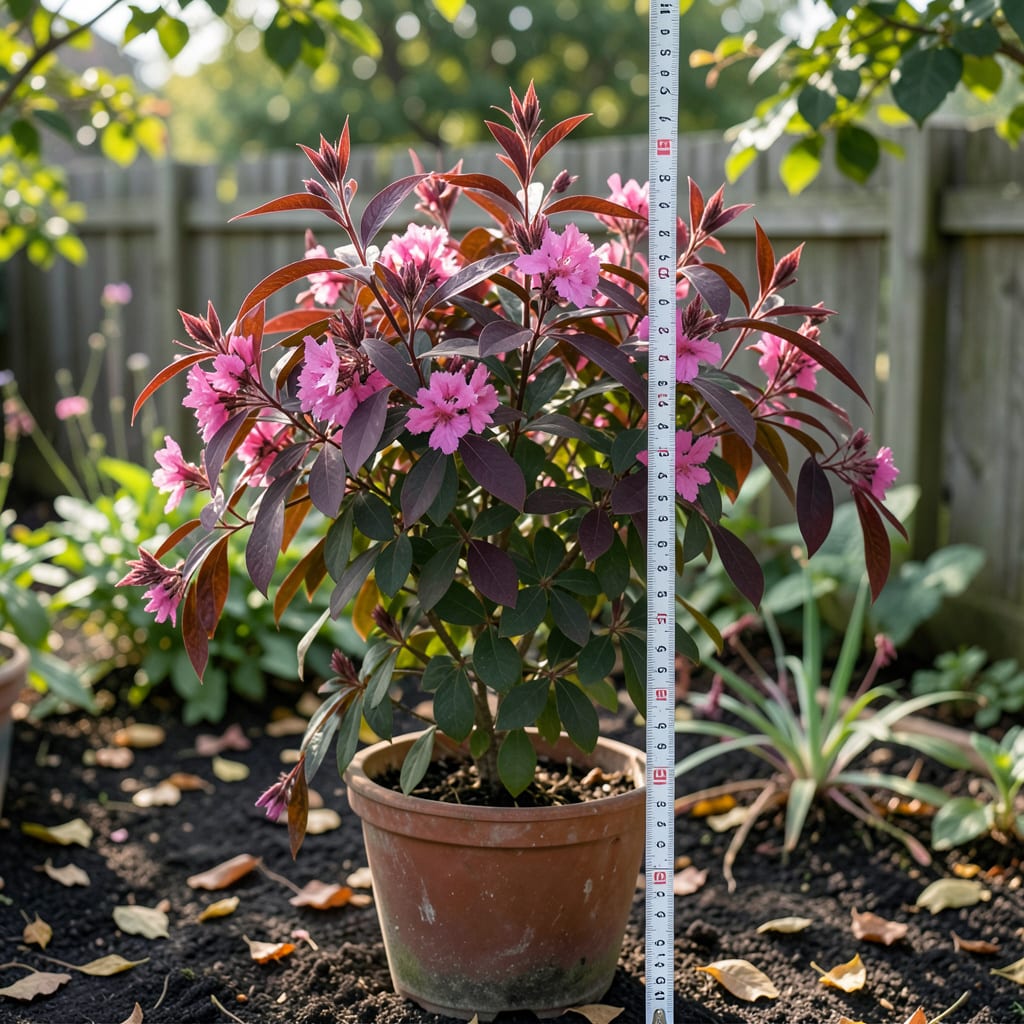
When planning your garden, understanding the growth potential of your plants is crucial. Loropetalum 🌿, known for their vibrant foliage and delicate flowers, can add beauty to any landscape, but their height varies.
In USDA Zone 6, Loropetalum can grow between 3 to 10 feet tall, depending on the variety and growing conditions. Let’s explore how to manage their size effectively.


Loropetalum plants are known for their vibrant foliage and delicate flowers, making them a popular choice among gardeners. Understanding their growth potential is crucial for effective garden planning 🌿.
In USDA Zone 6, Loropetalum can grow between 3 to 10 feet tall, depending on the variety and growing conditions. The height of Loropetalum plants can vary significantly based on factors such as soil quality, sunlight exposure, and pruning practices.
The growth rate of Loropetalum is considered moderate, with most plants growing approximately 1-2 feet per year. This growth rate can be influenced by factors such as soil fertility, watering practices, and overall care.
Soil quality plays a significant role in determining the growth rate of Loropetalum. Well-draining, slightly acidic soil with a pH between 5.5 and 6.5 is ideal for optimal growth. Regular fertilization with a balanced fertilizer can also promote healthy growth 🌿.
Loropetalum plants generally require full sun to partial shade to thrive. In USDA Zone 6, they can tolerate a wide range of sunlight conditions, but optimal growth is achieved with at least 6 hours of direct sunlight per day.
Pruning is an essential practice for managing the size of Loropetalum plants. Regular pruning helps maintain the desired shape and size, promotes healthy growth, and encourages more prolific flowering 🔥.
When pruning Loropetalum, it’s essential to remove any dead or damaged branches to prevent disease and promote healthy growth. Pruning should be done in late winter or early spring, before new growth begins.
Loropetalum plants are relatively low-maintenance, but they do require regular care to thrive. This includes watering, fertilizing, and pruning as needed 💧.
In terms of watering, Loropetalum prefers consistently moist but well-drained soil. During hot summer months, they may require more frequent watering to prevent drought stress.
Fertilization is also crucial for promoting healthy growth in Loropetalum. A balanced fertilizer applied in early spring can help support new growth and flowering 🌼.
Overall, Loropetalum plants are a beautiful and versatile addition to any garden. With proper care and maintenance, they can thrive and provide years of enjoyment 🌸.
Loropetalum height and spread are influenced by several key factors that gardeners should consider when planning their landscape 🌿.
The primary factors affecting Loropetalum size include growing conditions, pruning practices, and cultivar selection. Understanding these elements helps gardeners manage plant size effectively.
Growing conditions, pruning practices, and cultivar selection are critical in determining Loropetalum height and spread.
Growing conditions significantly impact Loropetalum size. Factors such as soil quality, sunlight exposure, and watering practices play crucial roles in determining plant growth.
Soil quality affects Loropetalum growth, with well-draining, slightly acidic soil being ideal. A soil pH between 5.5 and 6.5 supports optimal growth.
Sunlight exposure is another critical factor. Loropetalum plants thrive in full sun to partial shade, requiring at least 6 hours of direct sunlight daily for optimal growth.
Pruning practices are essential for managing Loropetalum size. Regular pruning maintains desired shape and size, promotes healthy growth, and encourages more prolific flowering 🔥.
Pruning should be done in late winter or early spring, before new growth begins. Removing dead or damaged branches prevents disease and promotes healthy growth.
Cultivar selection also influences Loropetalum size. Different varieties have different growth habits and mature sizes, ranging from dwarf to standard varieties.
By understanding these factors and implementing appropriate care practices, gardeners can effectively manage Loropetalum height and spread 🌸.
Regular maintenance, including watering, fertilizing, and pruning as needed, ensures Loropetalum plants thrive and provide years of enjoyment 💧.
Loropetalum plants require regular maintenance to maintain their desired size and promote healthy growth 🌿.
Pruning is a critical aspect of Loropetalum care, as it helps control the plant’s size, encourages new growth, and enhances flowering 🔥.
Prune before new growth begins to maintain shape and promote healthy growth.
Remove any dead or damaged branches to prevent disease and encourage healthy growth.
Regular pruning helps maintain the desired shape and size of Loropetalum plants.
In addition to pruning, proper care practices such as watering, fertilizing, and mulching are essential for promoting healthy growth and maintaining the desired size of Loropetalum plants 💧.
Watering should be done regularly, especially during hot summer months, to keep the soil consistently moist but well-drained.
Fertilization with a balanced fertilizer in early spring supports new growth and flowering 🌼.
Mulching around the base of the plant helps retain moisture, suppress weeds, and regulate soil temperature 🌿.
By following these care practices and pruning techniques, gardeners can effectively manage the size of their Loropetalum plants and enjoy their beauty for years to come 🌸.
Loropetalum plants can grow between 3 to 10 feet tall, depending on the variety and growing conditions. Dwarf varieties typically reach 3-4 feet, while standard varieties can grow up to 8-10 feet. The growth rate is moderate, approximately 1-2 feet per year.
The height of Loropetalum is influenced by growing conditions, pruning practices, and cultivar selection. Soil quality, sunlight exposure, and watering practices also play crucial roles in determining plant growth. Well-draining, slightly acidic soil and at least 6 hours of direct sunlight daily support optimal growth.
Prune Loropetalum in late winter or early spring before new growth begins. Regular pruning maintains desired shape and size, promotes healthy growth, and encourages more prolific flowering. Remove any dead or damaged branches to prevent disease.
Yes, Loropetalum can thrive in partial shade, though they prefer full sun to partial shade. They require at least 6 hours of direct sunlight daily for optimal growth. In USDA Zone 6, they can tolerate a wide range of sunlight conditions.
