
Beautiful Plants For Your Interior
Beautiful Plants For Your Interior
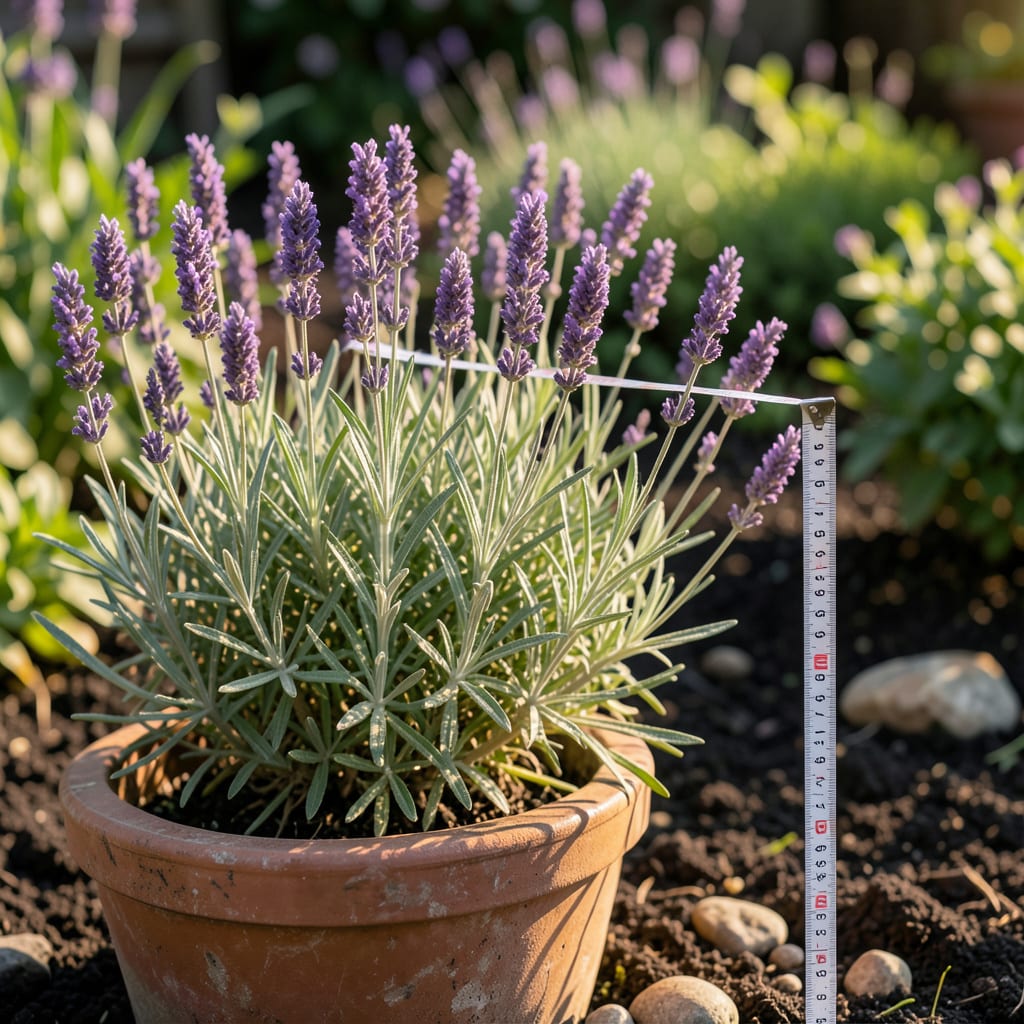
Lavender plants 🌿 are a beautiful addition to any garden, offering fragrance and visual appeal. But have you ever wondered how tall they‘ll grow in your specific conditions?
In USDA Zone 6a, Lavender plants typically reach between 1-3 feet tall, depending on the variety and growing conditions. Understanding these factors will help you plan your garden effectively.

Lavender plants are known for their beautiful purple flowers and fragrant aroma, but their growth height can vary significantly based on several factors. Understanding these factors is crucial for gardeners who want to cultivate healthy and thriving lavender plants 🌿.
The height of lavender plants can range from 1 to 3 feet, depending on the variety, growing conditions, and care practices. Some compact varieties may remain shorter, while others can grow taller under optimal conditions.
Lavender plants generally prefer in full sun exposure and well-drained soil, making them ideal for areas with Mediterranean-like conditions. However, they can adapt to various environments with proper care.
The specific growing conditions, such as soil quality, sunlight, and watering practices, play a significant role in determining the height of lavender plants. For instance, plants grown in poor soil may not reach their full height potential 🌱.
Understanding the growth patterns of lavender is essential for effective garden planning and maintenance. By considering the factors that influence their height, gardeners can make informed decisions about planting and caring for their lavender plants.
Regular pruning is a critical care practice that affects the height and overall health of lavender plants. Pruning encourages bushy growth and prevents the plants from becoming leggy 🔄.
In addition to pruning, other care practices such as watering and fertilizing can impact the height of lavender plants. Proper care ensures that the plants remain healthy and vigorous.
Lavender plants are relatively low-maintenance, making them a popular choice for gardeners. However, they still require attention to thrive and reach their full height potential.
By understanding the factors that influence lavender plant height and implementing proper care practices, gardeners can enjoy beautiful and fragrant lavender plants in their gardens for years to come 🌼.
Overall, lavender plants can add beauty and fragrance to any garden, and with the right care, they can thrive and reach their full height potential.
Lavender plants are known for their beautiful purple flowers and fragrant aroma, but their growth height can vary significantly based on several factors 🌿.
The height of lavender plants is influenced by a combination of environmental and care factors. Understanding these factors is crucial for gardeners who want to cultivate healthy and thriving lavender plants.
Lavender plants prefer well-draining soil with a slightly alkaline pH between 6.0 and 7.0. Poor soil quality can limit root growth and affect overall plant height.
Lavender plants require full sun exposure for optimal growth. Inadequate sunlight can result in leggy growth and reduced plant height.
Overwatering can lead to root rot, while underwatering can stress the plant. Both conditions can impact the height of lavender plants.
In addition to these factors, pruning practices play a significant role in determining the height of lavender plants. Regular pruning helps maintain the desired height and promotes bushy growth 🔄.
Lavender plants are relatively low-maintenance, but they still require attention to thrive and reach their full height potential. By understanding the factors that influence their height, gardeners can make informed decisions about planting and caring for their lavender plants 🌼.
By implementing proper care practices, gardeners can enjoy beautiful and fragrant lavender plants in their gardens for years to come.
Overall, lavender plants can add beauty and fragrance to any garden, and with the right care, they can thrive and reach their full height potential.
Pruning is a crucial technique for maintaining the desired height of lavender plants and promoting healthy growth 🌿.
Regular pruning helps control the height by encouraging bushy growth and preventing the plants from becoming leggy 🔄.
Prune lavender plants in early spring, removing dead stems and shaping the plant to maintain its desired height.
Remove any dead or damaged stems to prevent disease and encourage healthy growth 🌱.
Shape the lavender plant to maintain its desired height and promote a bushy growth habit 🌼.
By pruning lavender plants regularly, gardeners can control their height and promote healthy, vigorous growth 🔝.
Pruning is a simple yet effective technique for maintaining the desired height of lavender plants and ensuring they remain a beautiful addition to any garden 🌸.
Regular pruning also helps to prevent lavender plants from becoming woody and leggy, promoting a more compact and attractive growth habit 🌿.
Overall, pruning is an essential care practice for lavender plants, helping to maintain their height and promote healthy growth 🌱.
Lavender plants typically grow between 1-3 feet tall when mature. The exact height depends on factors like variety, growing conditions, and pruning practices. Some compact varieties remain shorter, while others can reach their full height potential under optimal conditions.
Regular pruning helps control lavender plant height by encouraging bushy growth and preventing leggy stems. Prune in early spring, removing dead stems and shaping the plant to maintain desired height. This practice promotes healthy growth and maintains the plant’s appearance.
Yes, poor soil quality can limit lavender plant height. Lavender prefers well-draining soil with a slightly alkaline pH between 6.0 and 7.0. Poor soil conditions can restrict root growth, affecting overall plant height and health.
Lavender plants require full sun exposure for optimal growth. Inadequate sunlight can result in leggy growth and reduced plant height. Ensure your lavender plants receive at least 6 hours of direct sunlight daily for best results.
