
Beautiful Plants For Your Interior
Beautiful Plants For Your Interior
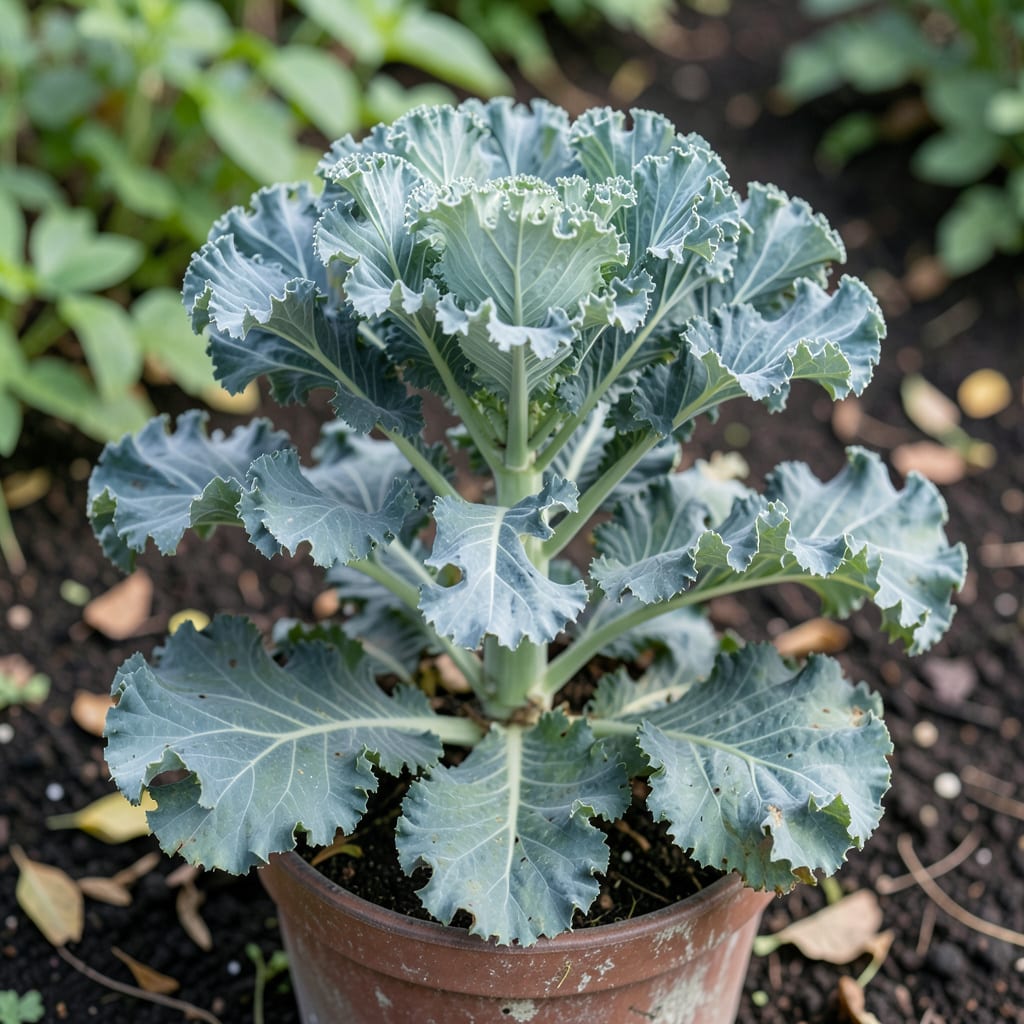
As I step into my garden, I’m greeted by the vibrant green leaves of my kale plants 🥬, which can grow quite tall under the right conditions. Growing in USDA Zone 6, I’ve observed that these nutritious greens can reach impressive heights.
The height of kale plants varies depending on factors like variety and growing conditions. Let’s explore what influences their growth and how you can maximize their vertical potential.


Kale plants are known for their impressive height, but understanding the factors that influence their growth is crucial for maximizing their vertical potential. The height of kale plants can vary significantly depending on several key factors 🌿.
The primary factors affecting kale plant height include variety selection, growing conditions, and cultivation practices. Different kale varieties have distinct growth habits, ranging from compact, dwarf types to taller, more vigorous varieties.
The height of kale plants is also influenced by growing conditions. Kale thrives in full sun to partial shade and requires consistent moisture to grow tall. Soil quality plays a significant role, with rich, fertile soil supporting healthier and taller plants.
Cultivation practices such as proper spacing, regular watering, and fertilization are essential for promoting healthy growth and maximizing height. By understanding and optimizing these factors, gardeners can encourage their kale plants to reach their full potential 🔥.
Kale plants generally take 55-85 days to mature, with ideal harvest time between 70 days. The height of mature kale plants can range from 1.5 to 3 feet, depending on the variety and growing conditions.
To achieve maximum height, it’s essential to provide kale plants with the right conditions. This includes ensuring they receive adequate sunlight, maintaining consistent soil moisture, and providing necessary nutrients through fertilization.
In addition to these factors, pruning and harvesting practices can also impact kale plant height. Regular harvesting of leaves can encourage plants to continue producing new growth, potentially influencing their overall height.
By carefully managing these factors and providing optimal growing conditions, gardeners can help their kale plants achieve their maximum height potential 🌱.
Understanding the growth patterns of kale plants is key to maximizing their height. By considering factors such as variety, growing conditions, and cultivation practices, gardeners can create an environment that supports healthy, tall growth.
With proper care and attention, kale plants can become a thriving and productive addition to any garden, providing a bountiful harvest of nutritious leaves for months to come.
To grow tall and healthy kale plants, it’s essential to provide them with optimal growing conditions. This includes ensuring they receive adequate sunlight, maintaining consistent soil moisture, and providing necessary nutrients through fertilization 🌟.
Here are some expert tips to help you maximize the height of your kale plants:
Prepare the soil with compost or well-rotted manure to improve its fertility and drainage.
Space kale plants 18-24 inches apart to allow for good air circulation and prevent overcrowding.
Keep the soil consistently moist, but not waterlogged, to promote healthy growth 🌱.
Feed your kale plants with a balanced fertilizer every 4-6 weeks to provide essential nutrients.
By following these expert tips, you can create an optimal growing environment that supports the healthy growth and maximum height of your kale plants 🌿.
Maximizing kale height requires attention to detail and a commitment to providing the best possible growing conditions. With the right care and attention, your kale plants can thrive and provide a bountiful harvest 🔥.
Regular monitoring of your kale plants’ growth and adjusting your care routine as needed can also help to maximize their height potential.
In addition to these tips, it’s essential to be aware of potential challenges that can impact kale plant height, such as pests, diseases, and environmental stressors.
By being proactive and taking steps to prevent or address these challenges, you can help ensure that your kale plants reach their full potential and provide a healthy, productive harvest.
Growing tall and healthy kale plants can be challenging due to various factors. Pests, diseases, and environmental stressors can all impact the height and productivity of your kale plants 🥬.
One of the most common challenges is pest infestations. Aphids, cabbage loopers, and flea beetles can all damage kale plants and limit their growth. To address this, use organic pest control methods such as neem oil or insecticidal soap 🔥.
Regularly inspect your kale plants for signs of pests or diseases. Use organic control methods whenever possible to minimize harm to beneficial insects.
Diseases are another significant challenge. Fungal diseases like powdery mildew and downy mildew can weaken kale plants and reduce their height. To prevent disease, ensure good air circulation around your plants and avoid overwatering 🌱.
Environmental stressors such as extreme temperatures, drought, or excessive rain can also impact kale plant height. To mitigate this, provide protection from extreme weather and maintain consistent soil moisture 🌿.
By being aware of these common challenges and taking steps to address them, you can help ensure that your kale plants reach their full potential and provide a healthy, productive harvest 🔥.
In addition to addressing these challenges, regular monitoring of your kale plants’ growth and adjusting your care routine as needed can also help to maximize their height potential.
With the right care and attention, your kale plants can thrive and provide a bountiful harvest of nutritious leaves for months to come.
To further support healthy growth, consider implementing a crop rotation plan to avoid depleting soil nutrients and to reduce the risk of disease buildup.
By combining these strategies, you can create an optimal growing environment that supports the healthy growth and maximum height of your kale plants.
Mature kale plants typically grow between 1.5 to 3 feet tall, depending on the variety and growing conditions. Some compact varieties may remain shorter, while taller varieties can reach their maximum height potential with proper care. Proper spacing and fertilization can help maximize height .
Kale plants generally take 55-85 days to mature, with ideal harvest time around 70 days. The exact time to reach full height depends on factors like variety, growing conditions, and cultivation practices. Consistent moisture and adequate sunlight also play crucial roles in their growth .
Yes, pruning and harvesting practices can influence kale plant height. Regular harvesting of leaves encourages plants to continue producing new growth, which can impact their overall height. By harvesting outer leaves, you’re promoting the plant to grow more leaves from the center, potentially affecting its vertical growth .
Yes, container size can impact kale plant height. A larger container with more soil volume allows for better root development, which can support taller growth. For optimal height, use a container that’s at least 12 inches deep and has good drainage. This provides enough room for the roots to grow and support the plant’s vertical development .
