
Beautiful Plants For Your Interior
Beautiful Plants For Your Interior
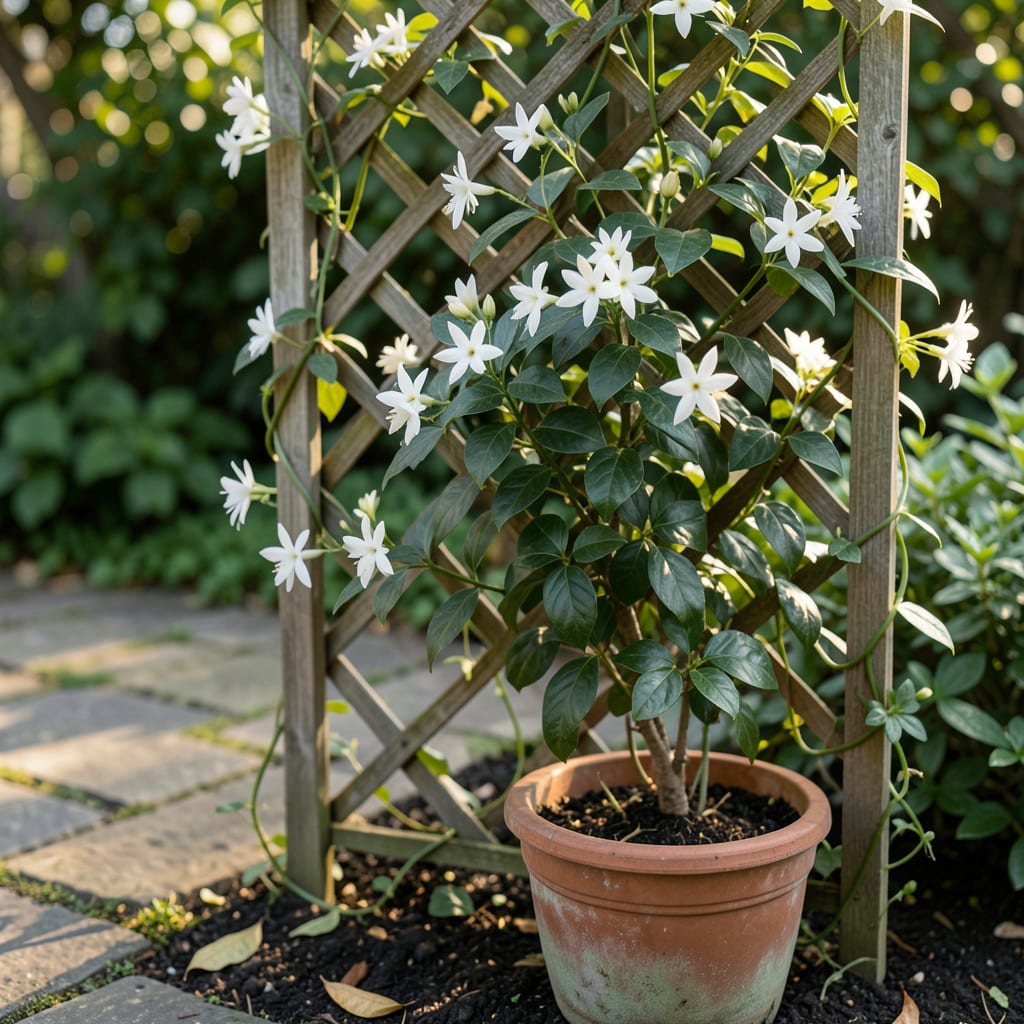
When growing Jasmine 💐, understanding its potential height is crucial for effective garden planning. These beautiful vines can grow anywhere from 3 to 20 feet tall, depending on the variety and growing conditions.
In USDA Zone 6, Jasmine plants thrive when given proper support and care. With the right pruning and training techniques, you can control their height and shape to fit your garden’s needs.


Jasmine plants are known for their vigorous growth and intoxicating fragrance, but their height can vary significantly based on several key factors. Understanding these factors is crucial for gardeners who want to manage their jasmine plants effectively.
The variety of jasmine is one of the primary factors that determine its height. Different jasmine varieties have different growth habits, ranging from compact varieties that grow up to 3 feet tall to vigorous climbers that can reach heights of 20 feet or more.
Growing conditions play a significant role in determining the height of jasmine plants. Full sun to partial shade is ideal for jasmine plants, and they thrive in well-draining soil that is rich in organic matter. Adequate watering is also crucial, although jasmine plants can tolerate some drought once established.
The support system provided to jasmine plants can also influence their height. Training the vines on a trellis or arbor can help them grow taller and make the most of the available space. Without support, jasmine plants may spread out more and grow less vertically.
Pruning practices are another critical factor in managing the height of jasmine plants. Regular pruning not only helps control the plant’s height but also encourages a fuller, more vigorous growth habit. Pruning can be done to shape the plant and promote flowering.
In USDA Zone 6, jasmine plants typically grow between 3 to 15 feet tall, depending on the variety and care provided. By understanding and manipulating the factors that influence jasmine plant height, gardeners can achieve the desired growth and enjoy the beauty and fragrance of these plants.
For gardeners looking to maximize the height of their jasmine plants, providing optimal growing conditions and appropriate support is key. Regular maintenance, including pruning and training, will help achieve the desired height and shape.
Jasmine plants are versatile and can be grown in various settings, from containers to garden beds. Their height can be managed to fit different garden designs, making them a popular choice for many gardeners.
By carefully considering the factors that influence jasmine plant height, gardeners can make informed decisions about planting, caring for, and managing these beautiful plants. Whether you’re looking for a compact variety or a vigorous climber, there’s a jasmine plant to suit your needs.
In conclusion, the height of jasmine plants is influenced by a combination of factors including variety, growing conditions, support systems, and pruning practices. By understanding and managing these factors, gardeners can enjoy the full potential of their jasmine plants.
To effectively manage jasmine plant height, gardeners must understand the importance of pruning techniques and training methods. Regular maintenance is crucial for controlling the plant’s height and promoting healthy growth.
Pruning is a vital aspect of jasmine plant care, as it helps control the plant’s height and encourages a fuller growth habit. The best time to prune jasmine plants is in the early spring or after they finish blooming.
Start by removing any dead or damaged vines to prevent disease spread and encourage healthy growth 🌱
Cut back any overgrown branches to the desired height, making clean cuts just above a node to promote new growth.
Gently train the vines along a trellis or arbor to encourage vertical growth and make the most of available space 🌿
In addition to pruning, training jasmine vines along a support system is essential for managing their height. By providing a sturdy trellis or arbor, gardeners can guide the vines to grow upwards, maximizing space and promoting healthier growth.
Regular maintenance is key to keeping jasmine plants at the desired height. This includes monitoring the plant’s growth and pruning as needed to maintain shape and promote flowering.
For gardeners in USDA Zone 6, jasmine plants typically require regular watering and fertilization during the growing season to support their vigorous growth. By following these tips, gardeners can enjoy the beauty and fragrance of their jasmine plants while keeping them at a manageable height 🌸
Effective management of jasmine plant height not only enhances the plant’s appearance but also promotes healthier growth and more abundant flowering. By combining proper pruning techniques with training methods, gardeners can achieve the desired height and shape for their jasmine plants.
With the right care and maintenance, jasmine plants can thrive in a variety of garden settings, from containers to garden beds. Their versatility and beauty make them a popular choice for many gardeners.
Jasmine plants come in various types, each with its unique growth habits and characteristics. Understanding these differences is essential for gardeners who want to choose the right jasmine variety for their garden.
The height of jasmine plants can vary significantly depending on the variety. Some compact varieties grow up to 3 feet tall, while vigorous climbers can reach heights of 20 feet or more.
When selecting a jasmine variety, gardeners should consider the available space and the desired growth habit. Compact varieties like Star Jasmine are ideal for smaller gardens or containers, while vigorous climbers like Common Jasmine and Winter Jasmine are better suited for larger spaces with appropriate support systems 🌿
Different jasmine varieties also have varying flowering times and fragrances. Some varieties, like Star Jasmine, are known for their intense fragrance and are often used in perfumes and floral arrangements 💐
By understanding the growth habits and characteristics of different jasmine varieties, gardeners can make informed decisions about which plants to include in their garden. This knowledge helps ensure that the chosen jasmine variety thrives and meets the gardener’s expectations.
In conclusion, comparing different jasmine varieties by their growth habits is crucial for selecting the right plant for your garden. By considering factors like typical height and growth habit, gardeners can choose a jasmine variety that fits their needs and provides the desired beauty and fragrance 🌸
Jasmine plants can grow quite tall, typically reaching heights of 3 to 20 feet, depending on the variety. Without support, they tend to spread out more and grow less vertically. Providing a trellis or arbor can help them grow taller and make the most of available space
Pruning jasmine plants regularly is key to controlling their height. The best time to prune is in early spring or after they finish blooming. Remove dead or damaged vines, cut back overgrown branches to the desired height, and train vines along a support system to encourage vertical growth
Yes, jasmine can be grown in containers! Compact varieties like Star Jasmine are ideal for containers and typically grow up to 3-6 feet tall.
How often should I water and fertilize jasmine plants to promote healthy growth? Jasmine plants require regular watering and fertilization during the growing season to support their vigorous growth. Water them weekly, and fertilize every 4-6 weeks with a balanced fertilizer. This will help promote healthy growth and abundant flowering
