
Beautiful Plants For Your Interior
Beautiful Plants For Your Interior
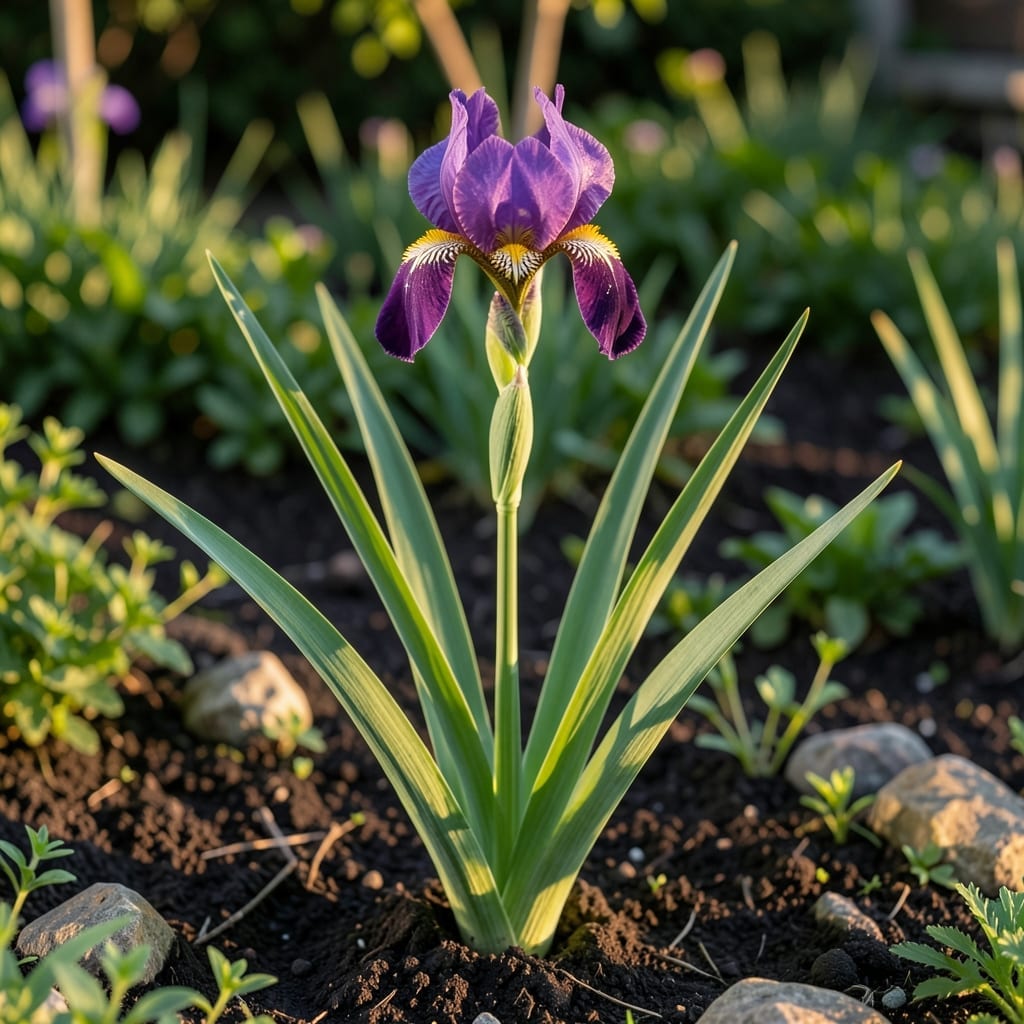
I’ve always loved how the Iris 🌸 transforms a garden with its vibrant blooms and graceful stems. But here’s what many don’t realize: these beauties don’t all grow to the same height.
From delicate dwarf varieties to towering bearded types, the range can surprise you. Knowing their potential size helps you design a garden that looks balanced and intentional.
Whether you’re planting along a border or creating a focal point, understanding their mature height is the key to success. I’ll walk you through what to expect from each type.
Discover how to match the perfect Iris to your space and watch your garden thrive like never before.


I love how irises can transform a garden with their vibrant blooms and graceful forms. One of the first things I consider when planting them is their mature height, which varies significantly by type. This helps me create a balanced, visually appealing landscape.
From petite dwarf irises to towering tall bearded varieties, there’s an iris for every garden niche. Their heights range from just 8 inches to an impressive 4 feet, depending on the cultivar and growing conditions.
| Variety | Height Range | Growing Conditions |
|---|---|---|
| Dwarf Iris | 8-12 inches | Full sun, well-drained soil |
| Intermediate Iris | 12-18 inches | Partial shade, moist soil |
| Tall Bearded Iris | 28-40 inches | Full sun, fertile soil |
| Siberian Iris | 24-40 inches | Full sun to partial shade |
| Japanese Iris | 24-36 inches | Partial shade, acidic soil |
I’ve found that dwarf irises are perfect for rock gardens or border edges. Their compact size makes them ideal for small spaces where you want bursts of color without overwhelming the area.
Intermediate irises work beautifully in mid-border plantings, creating a lovely transition between taller and shorter plants. They typically reach 12-18 inches and bloom in early to mid-spring.
The showstoppers of my garden are always the tall bearded irises. These stunners can grow 28-40 inches tall and produce large, striking flowers that demand attention. I plant them at the back of beds where they won’t overshadow smaller plants.
Siberian irises offer a slightly different look with their grass-like foliage and delicate flowers. They typically reach 24-40 inches and thrive in both sun and partial shade, making them quite versatile.
For wetter areas of my garden, I rely on Japanese irises. These moisture-loving plants grow 24-36 inches tall and produce stunning flat flowers in a range of colors. They prefer acidic soil and partial shade.
Remember that these height ranges are averages. Your irises might grow slightly taller or shorter depending on your specific growing conditions. I’ve seen tall bearded irises reach nearly 4 feet in ideal conditions with rich soil and plenty of sunlight.
When planning your iris garden, consider the mature height of each variety and place them accordingly. Taller types work well as focal points, while shorter ones can create beautiful ground covers or border accents 🌷
If you’ve ever wondered why your neighbor’s irises tower over yours, several key factors play a role. From sunlight exposure to soil conditions, small changes can make a big difference in height. I’ve seen firsthand how proper care transforms stunted plants into majestic blooms. ☀️
Let’s start with sunlight, as irises thrive with 6+ hours of direct sun daily. Less light often results in shorter stems and fewer flowers. In my garden, the ones in partial shade stay noticeably smaller than those basking in full sun.
Soil quality is another game-changer. Irises prefer well-draining soil with a neutral to slightly acidic pH. Heavy clay or compacted soil can stunt growth, so I always amend with compost before planting. 🌱
Watering practices also impact height. While irises are drought-tolerant once established, they need consistent moisture during their growing season. Overwatering, however, can lead to rot and weakened stems.
Fertilization should be done carefully. I use a low-nitrogen fertilizer to avoid excessive leaf growth at the expense of blooms. A 6-10-10 ratio applied in early spring and fall works best for my irises.
Finally, spacing matters more than you might think. Crowded irises compete for nutrients, which can limit their height. I plant mine 12-24 inches apart to give them room to reach their full potential. ✂️