
Beautiful Plants For Your Interior
Beautiful Plants For Your Interior
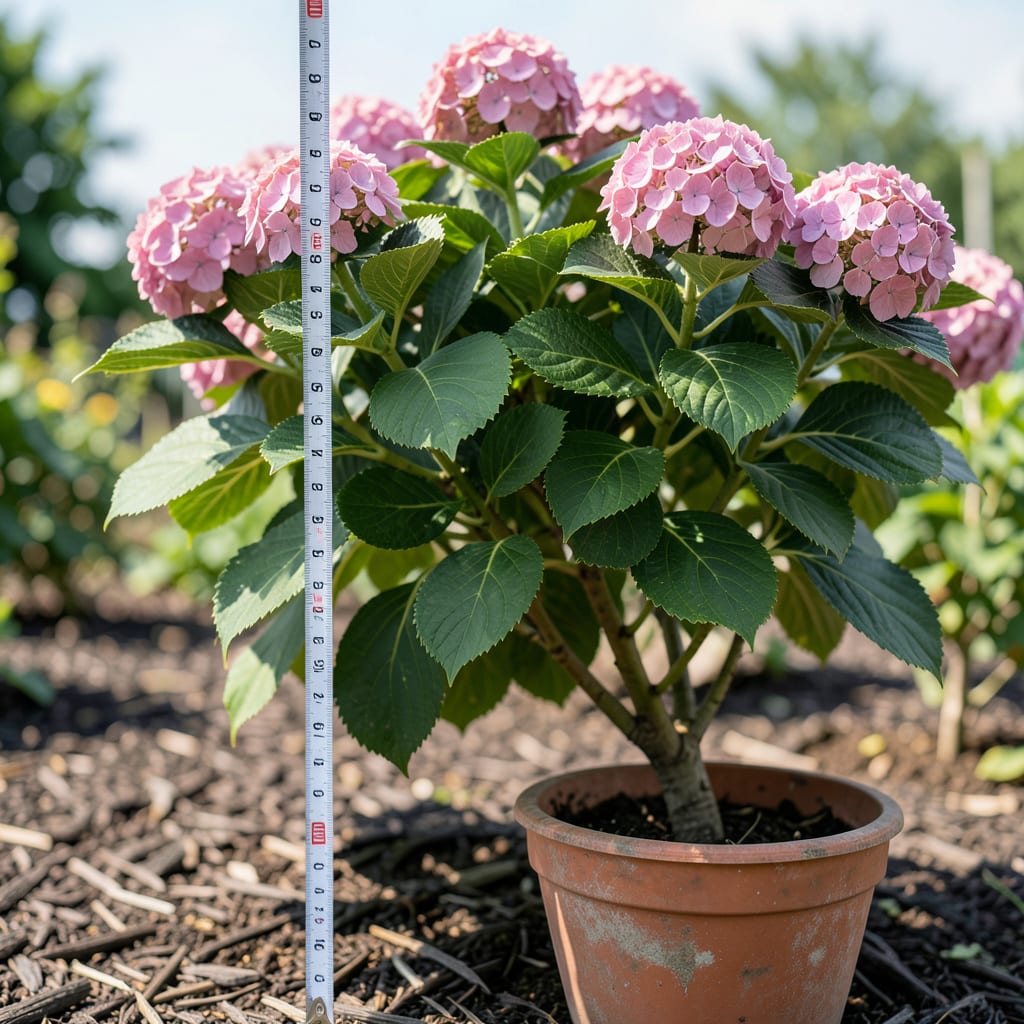
As I step into my garden, I’m always amazed by the beauty of my Hydrangea 🌸 trees. Their stunning blooms and vibrant colors are a treat to behold. But have you ever wondered how tall these gorgeous plants can actually grow?
In USDA zone 6a, Hydrangea trees can reach varying heights depending on the variety and growing conditions. Let’s explore the factors that influence their growth and how to care for them to achieve optimal size.

When it comes to understanding how tall hydrangea trees can grow, several factors come into play. The variety of hydrangea is one of the most significant factors, as different types have different growth potentials. For instance, some compact varieties are bred to remain smaller, while others can grow quite tall 🌸.
The growing conditions also play a crucial role in determining the height of hydrangea trees. Factors such as soil quality, sunlight exposure, and watering practices can all impact how tall a hydrangea tree will grow. Let’s take a closer look at these factors and how they influence hydrangea tree height.
Understanding these factors is essential for gardeners who want to optimize the growth of their hydrangea trees. By selecting the right variety and providing appropriate care, you can influence the ultimate height of your plants 🌿.
The variety of hydrangea is a critical factor in determining its height. Different types of hydrangeas have been bred for various characteristics, including size. For example, Bigleaf hydrangeas tend to be more compact, while Panicle hydrangeas can grow much taller.
Soil quality is another important factor. Hydrangeas prefer well-draining soil that is rich in organic matter. Soil that is too dense or poorly draining can limit root growth, which in turn can affect the overall height of the plant.
Sunlight exposure also plays a role. While hydrangeas can tolerate some sun, they generally do best in partial shade. Too much direct sunlight can stress the plant and limit its growth.
Watering practices are equally important. Hydrangeas prefer consistent moisture, especially during their first year of growth. Regular watering supports healthy development and can help the plant reach its full height potential.
Finally, pruning techniques can be used to control the height of hydrangea trees. Pruning at the right time of year can help maintain a desired size while promoting healthy, bushy growth.
By considering these factors and adjusting your care practices accordingly, you can help your hydrangea trees reach their optimal height and enjoy their beautiful blooms for years to come 🌸.
In summary, the height of hydrangea trees is influenced by a combination of factors including variety, growing conditions, and care practices. By understanding and managing these factors, gardeners can optimize the growth and size of their hydrangea trees.
When considering how tall hydrangea trees can grow, it’s essential to look at the different varieties and their growth potentials. Hydrangea tree heights can vary significantly based on the specific type 🌸.
Let’s examine some popular hydrangea tree varieties and their typical heights. This will help you understand what to expect when planting these beautiful shrubs in your garden.
The Panicle Hydrangea is known for its ability to grow quite tall, reaching heights of up to 15 feet in ideal conditions. This makes it an excellent choice for gardeners looking for a statement piece 🌳.
Bigleaf Hydrangeas, on the other hand, tend to be more compact, typically growing between 3-6 feet tall. However, some varieties can still reach heights of up to 8 feet 🌼.
Smooth Hydrangeas also offer a range of heights, generally falling between 3-6 feet but potentially reaching up to 10 feet when conditions are favorable 🌻.
Understanding the growth potential of different hydrangea tree varieties is crucial for effective garden planning. By choosing the right variety for your space, you can ensure that your hydrangea trees thrive and reach their optimal height 🌸.
In summary, hydrangea tree heights vary by variety, with some types growing much taller than others. By selecting the appropriate variety and providing proper care, you can enjoy these beautiful plants at their full potential.
Managing the height of hydrangea trees requires a combination of proper pruning techniques and ongoing care practices. By understanding how to prune effectively and provide the right conditions, you can control the height of your hydrangea trees while promoting healthy growth 🌿.
Pruning is a critical aspect of hydrangea tree care. The timing and method of pruning can significantly impact the plant’s height and overall health. Let’s explore some practical tips for pruning and caring for your hydrangea trees.
Prune your hydrangea trees in late winter or early spring, before new growth begins. This timing helps to control height and encourages vigorous growth.
Start by removing any dead, diseased, or damaged branches. This helps maintain the plant’s health and appearance.
Selectively remove older branches to allow more light to penetrate and promote new growth. This can help control the overall height and density of the plant.
To control height, cut back the tallest branches by about one-third. This encourages branching and helps maintain a desired height.
In addition to pruning, providing the right growing conditions is essential for managing hydrangea tree height. Ensure your plants receive adequate water and are planted in well-draining soil. Proper care supports healthy growth and helps maintain the desired height 🌸.
By following these pruning and care tips, you can effectively manage the height of your hydrangea trees. Regular maintenance and attention to your plants’ needs will help you enjoy beautiful, healthy hydrangeas in your garden.
Effective pruning and care practices are key to managing hydrangea tree height. By pruning at the right time and providing optimal growing conditions, you can control the size of your hydrangea trees and promote their overall health 🌿.
Hydrangea trees can grow between 3-8 feet tall, depending on the variety and growing conditions. Some varieties, like Panicle Hydrangeas, can reach up to 15 feet in ideal conditions. Proper care and pruning can help manage their height.
Different hydrangea varieties have distinct growth potentials. For example, Bigleaf Hydrangeas are generally more compact (3-6 feet), while Panicle Hydrangeas can grow much taller (6-15 feet). Choosing the right variety is key to achieving your desired height.
Yes, pruning is an effective way to manage hydrangea tree height. Prune in late winter or early spring, removing dead branches and cutting back tall stems by about one-third. This encourages bushy growth and helps maintain a desired height. Regular pruning is essential for optimal results.
Soil quality, sunlight exposure, and watering practices all impact hydrangea tree height. Well-draining, nutrient-rich soil and consistent moisture support healthy growth. Partial shade to full sun also affects their growth rate and ultimate height. Proper care is crucial.
