
Beautiful Plants For Your Interior
Beautiful Plants For Your Interior
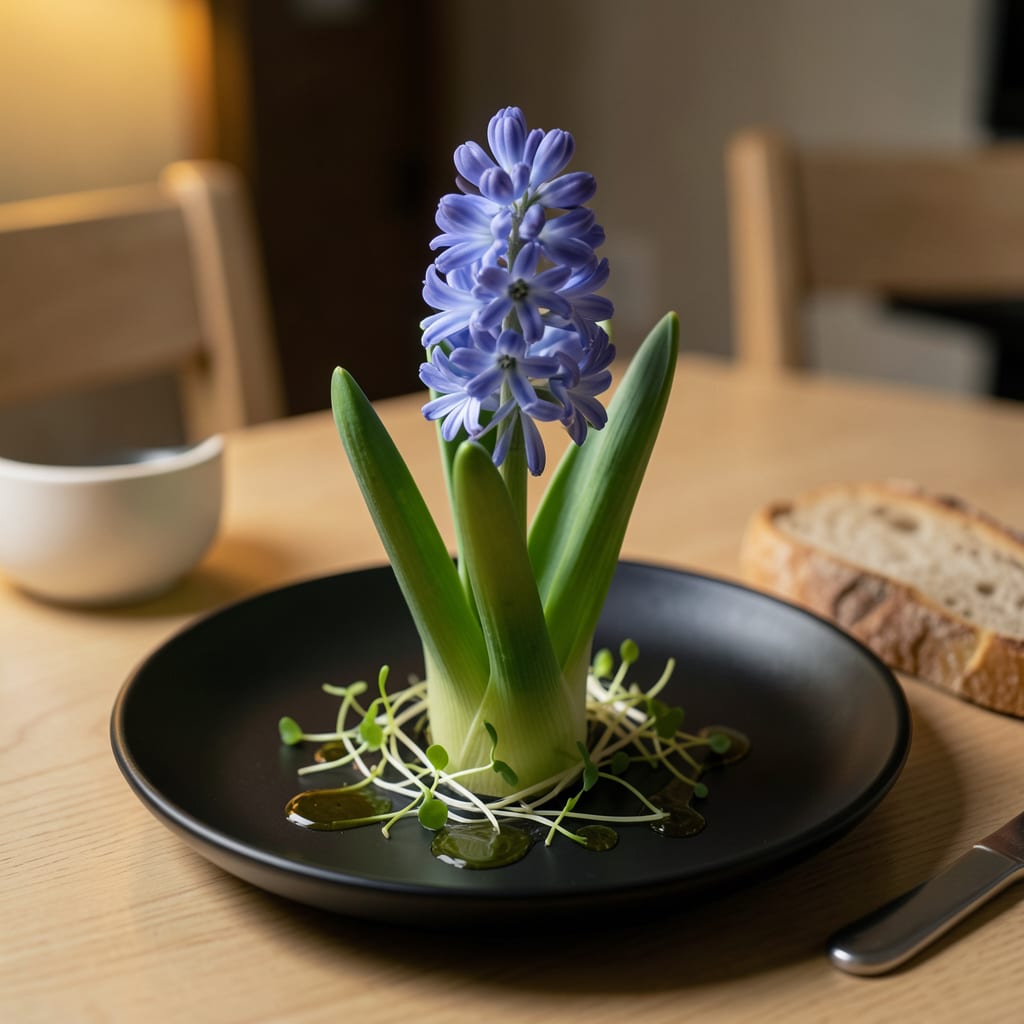
As I step into my garden in early spring, the first thing that catches my eye is the vibrant display of Hyacinths 💐. These beautiful flowers not only fill the air with their sweet fragrance but also add a pop of color to the landscape.
But have you ever wondered how tall these gorgeous Hyacinths can grow? Understanding their growth patterns is key to making the most of these stunning plants in your garden in USDA Zone 6.


When I think about hyacinths, I’m immediately drawn to their vibrant colors and intoxicating fragrance that fill my garden in early spring. One of the most common questions I get asked is about their height, as understanding their growth patterns is crucial for effective garden planning 🌼.
Hyacinths are known for their stunning blooms and moderate height, making them a versatile choice for various garden settings. But how tall can they actually grow? Let’s dive into the details to find out.
The typical height range for hyacinth plants is between 8 to 12 inches, with some varieties capable of reaching heights of up to 24 inches. The height of hyacinths can vary significantly based on the specific variety, growing conditions, and care practices 🌱.
Dwarf varieties tend to be more compact, growing to around 6 to 8 inches in height, making them ideal for container gardening or border planting. On the other hand, standard varieties can reach heights of 10 to 12 inches, adding a dramatic pop of color to garden beds.
Several factors can influence the height of hyacinths, including soil quality, sunlight exposure, and watering practices. Understanding these factors is key to maximizing their growth potential 🌻.
To achieve optimal height, it’s essential to provide hyacinths with the right growing conditions. This includes planting bulbs at the correct depth, ensuring they receive adequate sunlight, and maintaining proper soil moisture. By following these guidelines, you can enjoy a vibrant display of hyacinths in your garden 🌼.
In the next section, we’ll explore the various factors that can impact the growth height of hyacinths and provide tips on how to optimize their growth through proper care practices.
By understanding the typical height range of hyacinths and the factors that influence their growth, you can make informed decisions when planning your garden. Whether you’re looking to add a pop of color to your borders or create a stunning container display, hyacinths are an excellent choice 🌻.
With proper care and attention, hyacinths can thrive in a variety of garden settings, providing a beautiful and fragrant display for years to come. By
In conclusion, hyacinths are a versatile and beautiful addition to any garden, offering a range of heights and growth habits to suit different needs and preferences. By understanding their typical height range and the factors that influence their growth, you can create a stunning display that will be the envy of your neighbors 🌻.
When it comes to growing hyacinths, understanding the factors that influence their height is crucial for achieving optimal growth. As I tend to my garden, I’ve learned that several key elements can impact how tall these beautiful flowers will grow 🌼.
The height of hyacinths is influenced by a combination of environmental factors and cultural practices. Environmental factors include soil quality, sunlight exposure, and watering practices, while cultural practices involve planting depth and fertilization. Let’s explore these factors in more detail.
Soil quality, sunlight, watering, planting depth, and fertilization all play a role in determining hyacinth height 🌻.
Soil quality is one of the most critical factors affecting hyacinth growth. Hyacinths thrive in well-draining soil that is rich in organic matter. Poor soil quality can lead to stunted growth and reduced flowering. To optimize soil quality, I recommend adding compost or well-rotted manure to the soil before planting 🌿.
Sunlight exposure is another important factor that can impact hyacinth height. Hyacinths require full sun to partial shade to grow and bloom well. In areas with low sunlight, hyacinths may become leggy and produce fewer flowers. Aim for at least 4-6 hours of direct sunlight per day for optimal growth 🌞.
Watering practices also play a significant role in determining hyacinth height. Hyacinths require consistent moisture during the growing season, but overwatering can be detrimental.
In addition to environmental factors, cultural practices such as planting depth and fertilization can also impact hyacinth height. Planting bulbs at the correct depth is crucial for achieving optimal growth, while fertilizing after blooming can help promote healthy growth and flowering 🌻.
By understanding and managing these factors, you can create an optimal growing environment for your hyacinths and enjoy a vibrant display of flowers in your garden 🌼.
To summarize, the key to maximizing hyacinth height lies in providing the right growing conditions and following best practices for care. By doing so, you can enjoy a stunning display of hyacinths that will be the envy of your neighbors 🌻.
To achieve the best possible height for your hyacinths, it’s essential to provide them with proper care and attention. As I’ve learned from my gardening experience, following best practices can make all the difference in maximizing their growth potential 🌼.
One of the most critical factors in promoting healthy hyacinth growth is planting technique. When planting hyacinth bulbs,
Plant hyacinth bulbs in the fall, about 6-8 weeks before the ground freezes, to give them a head start on the growing season 🌼.
In addition to proper planting techniques, post-bloom care is also crucial for maximizing hyacinth height. After the flowers have bloomed, allow the foliage to die back naturally, as this will help the bulb store energy for next year’s growth 🌻.
A common mistake to avoid is cutting back the foliage too early, as this can weaken the bulb and reduce future growth. Instead, let the foliage die back naturally, and then remove any dead or dying leaves to keep the area tidy 🌿.
By following these best practices and avoiding common mistakes, you can help your hyacinths reach their full potential and enjoy a stunning display of flowers in your garden 🌼.
To summarize, proper care and attention are key to maximizing hyacinth height. By planting correctly, providing post-bloom care, and avoiding common mistakes, you can enjoy a vibrant display of hyacinths that will be the envy of your neighbors 🌻.
