
Beautiful Plants For Your Interior
Beautiful Plants For Your Interior
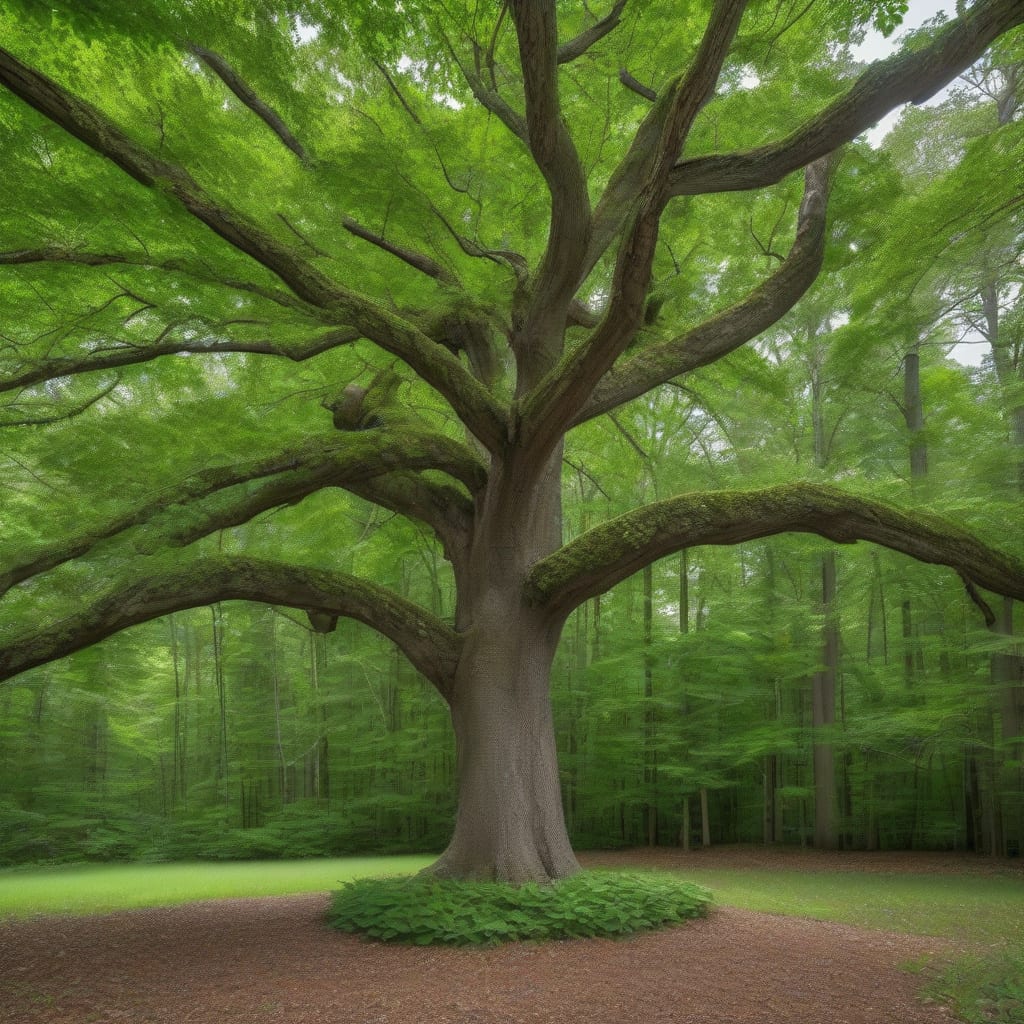
I’ve always been fascinated by the majestic 🌳 Hickory Tree, known for its impressive height and longevity. Growing in USDA Zone 6, these trees can reach remarkable heights, but what factors influence their growth?
Let’s explore how tall Hickory Trees can grow and what you can do to support their development, whether you’re planting in Spring or Fall. Discover the secrets to helping these magnificent trees thrive.


Hickory trees are known for their impressive stature and longevity, with different species reaching varying heights. The height of a hickory tree can depend on factors such as soil quality, climate, and available sunlight 🌳.
Let’s explore the maximum heights of different hickory tree species and the factors that influence their growth. Understanding these factors can help you choose the right species for your needs and provide optimal care for your trees.
The Shagbark Hickory is one of the tallest hickory species, reaching heights of 100-120 feet in ideal conditions. This species is known for its distinctive shaggy bark and is native to eastern North America.
In contrast, the Bitternut Hickory typically grows to be 60-80 feet tall. While not as tall as the Shagbark Hickory, it is still a significant tree with a broad canopy and edible nuts.
Soil quality plays a crucial role in determining the height of hickory trees. Trees growing in well-draining, nutrient-rich soil tend to reach greater heights than those in poor soil conditions.
Climate is another important factor, with hickory trees generally thriving in temperate climates with adequate moisture. Drought conditions can stress the trees and limit their growth.
Sunlight is also essential for hickory tree growth. Trees receiving full sun tend to grow taller and healthier than those in shaded conditions.
By understanding the factors that influence hickory tree height, you can take steps to promote healthy growth and maximize the potential height of your trees 🌳.
Regular watering and fertilization can also support the growth of hickory trees. Providing the right conditions can help these magnificent trees reach their full potential.
In summary, the height of hickory trees varies by species and is influenced by factors such as soil quality, climate, and sunlight. By choosing the right species and providing optimal care, you can help your hickory trees thrive.
With proper care and conditions, hickory trees can become a stunning addition to any landscape, providing shade, beauty, and a source of nutritious nuts 🌰.
I’ve found that hickory tree height is influenced by several key factors, including soil quality, climate conditions, and available sunlight. Understanding these elements can help you create optimal growing conditions for your hickory trees 🌳.
The quality of the soil plays a significant role in determining how tall hickory trees can grow. Trees planted in well-draining, nutrient-rich soil tend to reach greater heights than those in poor soil conditions. Regular soil testing can help identify nutrient deficiencies and guide appropriate amendments.
Hickory trees require specific conditions to reach their maximum height potential. Focus on improving soil quality, managing climate-related stress, and ensuring adequate sunlight exposure.
Climate conditions are another crucial factor affecting hickory tree height. These trees generally thrive in temperate climates with adequate moisture. Drought conditions can stress the trees and limit their growth, making regular watering essential during dry periods.
Sunlight exposure is also vital for hickory tree growth. Trees receiving full sun (at least 6 hours of direct sunlight) tend to grow taller and healthier than those in shaded conditions. When planting hickory trees, choose a location that receives ample sunlight.
In addition to these factors, regular maintenance practices such as pruning and fertilization can support healthy growth and maximize the potential height of hickory trees. Proper care can help these magnificent trees become a stunning addition to any landscape.
By understanding and addressing the factors that influence hickory tree height, you can take steps to promote healthy growth and enjoy the many benefits these trees provide, including shade, beauty, and nutritious nuts 🌰.
Regular monitoring of your trees’ health and adjusting your care practices accordingly can make a significant difference in their overall growth and development.
With the right combination of soil quality, climate conditions, and sunlight, your hickory trees can thrive and reach their full potential height.
Measuring hickory tree height is crucial for monitoring their growth and health. I’ve found that using simple techniques can help you track changes over time and make informed decisions about tree care 🌳.
For accurate height measurement, use a clinometer or measuring tape with trigonometry for taller trees. For younger trees, a simple measuring tape will suffice.
To measure hickory tree height, you can use various methods depending on the tree’s size and your available tools. For smaller trees, a measuring tape is sufficient. Simply measure from the base of the tree to the topmost point.
For taller trees, more advanced techniques are necessary. One common method involves using a clinometer to measure the angle between the ground and the top of the tree. By combining this angle with the distance from the observer to the tree, you can calculate the tree’s height using trigonometry.
Managing hickory tree height involves regular pruning to maintain a healthy structure and promote optimal growth. Prune dead or damaged branches to prevent disease and encourage the tree to focus its energy on healthy growth.
By understanding how to measure and manage hickory tree height, you can ensure your trees remain healthy and continue to thrive. Regular monitoring and appropriate care can help you enjoy the many benefits these magnificent trees provide 🌳.
Proper tree management also includes considering factors like soil quality and sunlight exposure, which play significant roles in tree health and growth.
With the right care and attention, your hickory trees can reach their full potential and become a beautiful addition to your landscape 🌰.
