
Beautiful Plants For Your Interior
Beautiful Plants For Your Interior
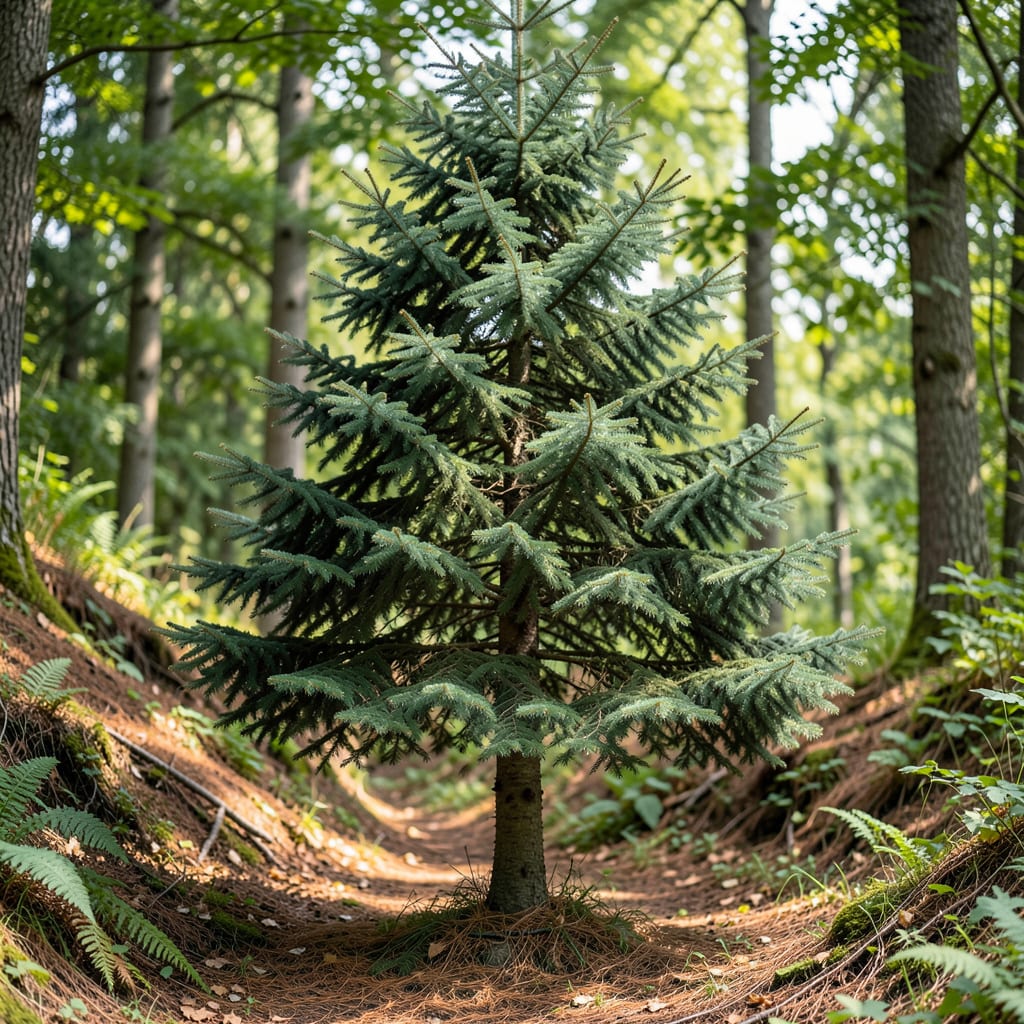
Hemlock trees 🌲 are known for their majestic presence, but have you ever wondered just how tall they can grow? Understanding their growth potential is crucial for proper planning and care in your landscape or garden.
These trees can reach impressive heights, typically between 30-70 feet, depending on factors like soil quality and climate. Let’s explore what affects their growth and how you can support them to reach their full potential.

Hemlock trees are magnificent evergreens that can grow to impressive heights, but their growth is influenced by various factors. Understanding these factors is crucial for gardeners and landscapers who want to cultivate healthy hemlocks 🌲.
The height of hemlock trees is determined by a combination of environmental and genetic factors. Soil quality, climate conditions, and sunlight exposure all play significant roles in their growth. Let’s explore these factors in more detail.
Soil quality is a critical factor in hemlock growth. These trees prefer acidic soils with a pH between 5.0 and 6.5. They thrive in soils that are rich in organic matter and have good drainage. Poor soil conditions can significantly limit their height potential 🌱.
Climate is another crucial factor. Hemlocks are adapted to cool, moist environments. They are commonly found in areas with high rainfall and moderate temperatures. Extreme weather conditions, such as prolonged drought or intense heat, can stress the trees and impede their growth 🌟.
Sunlight exposure also affects hemlock height. While they can tolerate shade, hemlocks generally require partial to full sunlight to reach their maximum height potential. In dense forests, competition for sunlight can limit their growth.
Genetic variations among hemlock species and cultivars also influence their height. For example, the Eastern hemlock (Tsuga canadensis) and the Western hemlock (Tsuga heterophylla) have different growth habits and maximum heights.
Understanding these factors helps gardeners and landscapers create optimal conditions for hemlock growth. By providing the right environment, you can help these trees reach their full potential 🌿.
In summary, the height of hemlock trees is influenced by a combination of soil quality, climate conditions, sunlight exposure, and genetic factors. By understanding and managing these factors, you can support the healthy growth of these magnificent trees 🌲.
Hemlock trees are not only beautiful but also provide important ecological benefits. They offer habitat for various wildlife species and contribute to the overall health of forest ecosystems 🌳.
For those interested in cultivating hemlocks, it’s essential to choose the right species for your climate and soil conditions. Consulting with local nurseries or forestry experts can provide valuable insights into the best practices for growing hemlocks in your area 🌟.
By carefully considering the factors that influence hemlock growth, you can enjoy these trees’ beauty and benefits for years to come 🌲.
Hemlock trees are known for their impressive height potential, with different species exhibiting varying growth patterns. Understanding these differences is crucial for gardeners and landscapers who want to cultivate these magnificent trees 🌲.
The maximum height of hemlock trees can range from 30 to 70 feet, depending on the species and environmental conditions. Let’s explore the growth patterns of different hemlock species and their maximum height potential.
The Eastern Hemlock (Tsuga canadensis) is native to eastern North America and can grow up to 70 feet tall. It has a slow to medium growth rate, typically adding 1-2 feet per year under optimal conditions 🌳.
In contrast, the Western Hemlock (Tsuga heterophylla) can reach heights of 100 feet or more in ideal conditions. It has a medium to fast growth rate, making it a popular choice for forestry and landscaping in the Pacific Northwest 🌲.
The Mountain Hemlock (Tsuga mertensiana) is adapted to higher elevations and can grow up to 60 feet tall. It has a slow growth rate and is often found in subalpine environments ❄️.
Understanding the maximum height potential of different hemlock species helps gardeners and landscapers make informed decisions about tree selection and placement 🏠.
When planting hemlocks, it’s essential to consider their mature height and growth rate to ensure they have enough space to develop fully 🌳.
By choosing the right hemlock species for your climate and soil conditions, you can enjoy these trees’ beauty and ecological benefits for years to come 🌲.
Managing hemlock height is crucial for maintaining a beautiful and balanced landscape. Hemlocks can grow quite tall, typically between 30-70 feet, so understanding how to control their growth is essential 🌲.
One effective way to manage hemlock height is through regular pruning. Pruning helps maintain the tree’s shape and size while promoting healthy growth. It’s best to prune hemlocks during their dormant season to minimize stress on the tree ✂️.
When pruning hemlocks, remove any dead or damaged branches first. Then, thin out the interior to allow more light to penetrate and promote air circulation 🌿.
Another important factor in managing hemlock height is proper spacing when planting. Hemlocks need enough room to grow without competing with other trees or structures. Planting them too close together can lead to overcrowding and increased maintenance 🏠.
Regular maintenance is also key to controlling hemlock height. This includes monitoring for pests and diseases, which can affect the tree’s growth and overall health. Regular inspections help catch any issues early, making it easier to address them 🐜.
In addition to pruning and spacing, soil quality plays a significant role in hemlock growth. Ensuring that the soil is rich in organic matter and has good drainage can help hemlocks reach their full potential without becoming too dense or unruly 🌱.
By following these tips, you can effectively manage hemlock height in your landscape, ensuring that these beautiful trees remain a stunning focal point for years to come 🌲.
For more specific advice on managing hemlock height, consider consulting with a local arborist or landscaping professional. They can provide tailored guidance based on your specific climate and soil conditions 📚.
Hemlock trees can grow to impressive heights, typically ranging from 30 to 70 feet, depending on the species and environmental conditions. Some species, like the Western hemlock, can even reach heights of 100 feet or more in ideal conditions. The height potential varies among different hemlock species.
Several factors affect hemlock tree height, including soil quality, climate conditions, sunlight exposure, and genetic variations among species. Hemlocks prefer moist, well-drained soil and cool, moist climates. Understanding these factors helps in creating optimal growing conditions.
Managing hemlock height can be achieved through regular pruning, proper spacing when planting, and maintaining good soil quality. Pruning during the dormant season helps minimize stress on the tree. Proper spacing ensures that hemlocks have enough room to grow without competing with other trees or structures.
Hemlock species have varying growth rates. For example, the Eastern hemlock has a slow to medium growth rate, adding 1-2 feet per year, while the Western hemlock can have a medium to fast growth rate. Understanding the growth rate helps in planning and maintaining your landscape.
