
Beautiful Plants For Your Interior
Beautiful Plants For Your Interior
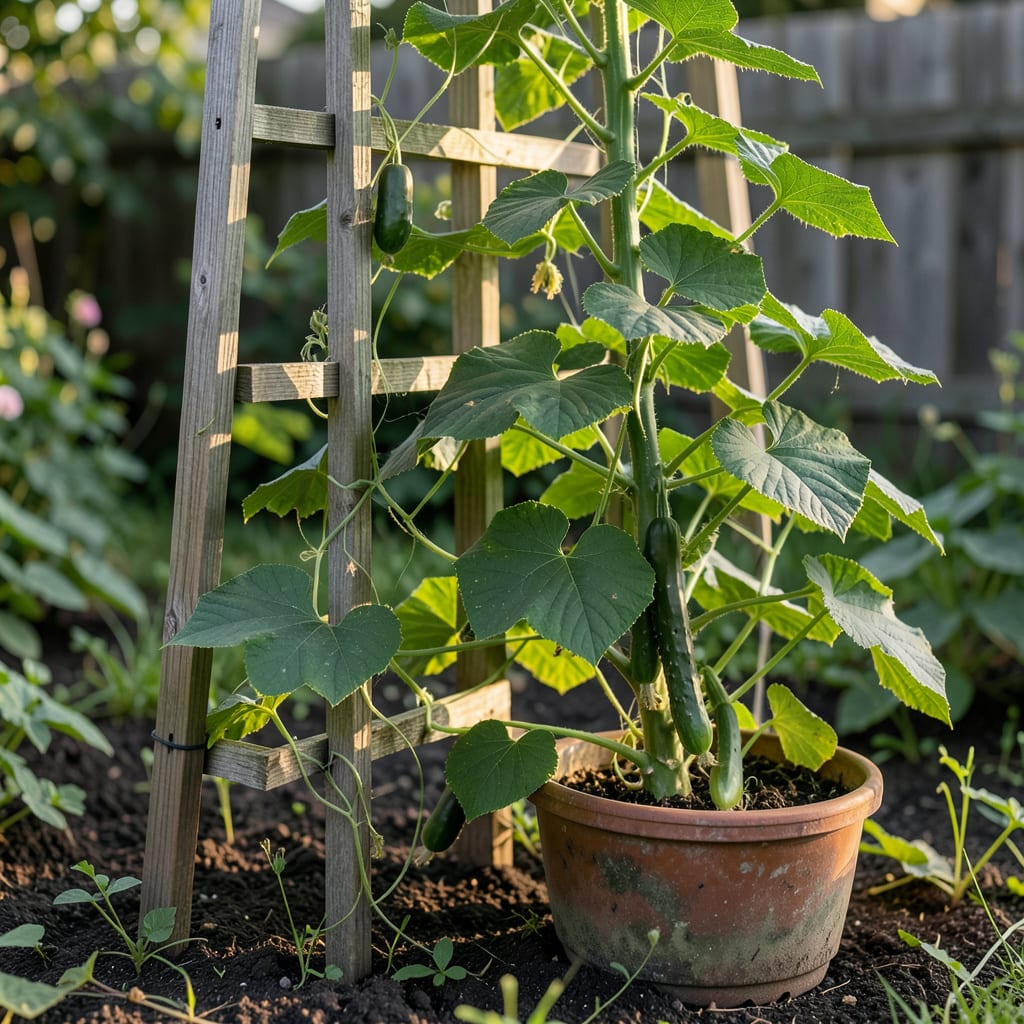
Growing Gherkin plants 🥒 can be a rewarding experience, especially when you understand their growth habits. These compact, prolific producers are perfect for gardeners looking to cultivate pickling cucumbers.
In USDA Zone 6, Gherkin plants typically thrive in late spring, reaching heights of 3-6 feet. Factors like soil quality, sunlight, and pruning practices can influence their vertical development, making it essential to optimize growing conditions for maximum yield.


Gherkin plants are known for their compact growth and prolific production, making them a favorite among gardeners. They typically grow as a vine, requiring support as they climb.
In ideal conditions, Gherkin plants can reach heights of 3-6 feet, with some varieties growing taller than others. Understanding their growth patterns is crucial for maximizing yield and ensuring healthy plant development 🌿.
The height of Gherkin plants can be influenced by several factors, including soil quality, sunlight exposure, and pruning practices. Ensuring optimal growing conditions can help achieve the maximum potential height and yield.
Soil quality plays a significant role in Gherkin plant growth. Well-draining, fertile soil with a pH between 6.0 and 7.0 is ideal. Soil that is too dense or lacks nutrients need careful amendment.
Gherkin plants require full sun to produce a bountiful harvest. They need at least 6 hours of direct sunlight per day. Inadequate sunlight can result in leggy growth and reduced yields.
Pruning is another critical aspect of managing Gherkin plant height. Removing lateral shoots and training the main vine can help control the plant’s size and promote better fruiting.
By understanding and optimizing these factors, gardeners can effectively manage the height of their Gherkin plants and enjoy a healthy and productive harvest 🌼.
Gherkin plants are relatively easy to grow and can thrive in a variety of conditions, making them a versatile choice for gardeners of all skill levels.
For more detailed information on growing Gherkin plants, including tips on trellising and pest management, continue reading the next sections.
Effective management of Gherkin plants involves a combination of proper soil preparation, adequate sunlight, and regular pruning. By following these guidelines, gardeners can ensure a successful and productive growing season.
In summary, Gherkin plants are a rewarding addition to any garden, offering compact growth and high yields with proper care. Understanding their growth habits and optimizing growing conditions are key to maximizing their potential.
Gherkin plant height can be influenced by several key factors that gardeners need to understand for optimal growth. The soil quality is crucial as it provides the necessary nutrients for healthy development. Gherkin plants thrive in well-draining, fertile soil with a pH between 6.0 and 7.0. Soil that is too dense or lacks essential nutrients requires careful amendment to support plant growth 🌱.
Sunlight exposure is another critical factor affecting Gherkin plant height. These plants require full sun to produce a bountiful harvest, needing at least 6 hours of direct sunlight daily. Inadequate sunlight can lead to leggy growth and reduced yields, making proper sunlight exposure essential for maximizing plant height and productivity.
Optimizing soil quality and sunlight exposure are critical for maximizing Gherkin plant height and yield. Proper care and attention to these factors can significantly improve garden productivity.
Pruning practices also play a significant role in managing Gherkin plant height. Regular pruning helps control the plant’s size and promotes better fruiting. By removing lateral shoots and training the main vine, gardeners can effectively manage the height of their Gherkin plants.
In addition to these factors, watering practices can impact Gherkin plant growth. Consistent moisture is essential, with plants requiring watering every 3-4 days during peak growing seasons. Proper watering helps maintain healthy growth and maximizes yield potential 💧.
Fertilization is another aspect to consider when optimizing Gherkin plant height. Using a balanced fertilizer (10-10-10 NPK) every 4 weeks can provide necessary nutrients for healthy plant development. Fertilization should be adjusted based on soil test results to avoid over-fertilizing.
By understanding and addressing these factors, gardeners can create optimal growing conditions for their Gherkin plants, ensuring they reach their full height potential and produce a bountiful harvest 🌼.
Gherkin plants are relatively easy to grow and can thrive in various conditions, making them a versatile choice for gardeners of all skill levels. With proper care and attention, these plants can provide a rewarding gardening experience.
For more detailed information on supporting Gherkin plants as they grow, including tips on trellising and pest management, continue reading the next sections.
Effective management of Gherkin plants involves a combination of proper soil preparation, adequate sunlight, and regular maintenance. By following these guidelines, gardeners can ensure a successful and productive growing season.
Supporting Gherkin plants as they grow is crucial for maximizing their height and yield potential. One effective method is using a trellis or cage to provide structural support 🌿.
Trellising helps manage the plant’s vining habit, keeping it organized and promoting better fruiting. By training the main vine to climb, gardeners can make the most of available space and improve air circulation around the plants.
Set up trellis or cage at planting time to avoid damaging roots later.
Gently guide main stem up trellis to encourage vertical growth.
Remove side shoots to focus plant energy on main vine and fruit production.
Pruning is another essential technique for managing Gherkin plant height and improving yield. Regular removal of lateral shoots helps direct the plant’s energy towards fruit production and maintaining a healthy, manageable size.
In addition to trellising and pruning, regular monitoring of plant health is vital. Keeping an eye out for signs of pests or diseases allows for early intervention, ensuring the plants remain healthy and productive.
By implementing these expert tips, gardeners can effectively support their Gherkin plants, maximizing their growth potential and enjoying a bountiful harvest 🌼.
Gherkin plants are relatively easy to grow and can thrive in a variety of conditions, making them a versatile choice for gardeners of all skill levels. With proper care and attention, these plants can provide a rewarding gardening experience.
For more detailed information on growing Gherkin plants, including tips on pest management and fertilization, continue reading the next sections.
Effective management of Gherkin plants involves a combination of proper support, regular pruning, and ongoing care. By following these guidelines, gardeners can ensure a successful and productive growing season.
Gherkin plants typically grow to be between 3-6 feet tall, with some varieties reaching even greater heights when given proper support. Their vining habit means they need trellising to maximize their vertical growth. Proper care can help them reach their full potential height .
Using a trellis or cage is highly effective for supporting Gherkin plants. Install the support at planting time and gently train the main vine to climb. This helps manage their vining habit and promotes better fruiting. Regular pruning of lateral shoots also helps control plant height and improves yield .
Several factors influence Gherkin plant height, including soil quality, sunlight exposure, and pruning practices. Well-draining, fertile soil with a pH between 6.0 and 7.0 is ideal. Full sun (at least 6 hours of direct sunlight) is necessary for optimal growth. Regular pruning helps control height and promotes fruiting .
Gherkin plants prefer full sun and need at least 6 hours of direct sunlight daily. While they can tolerate some partial shade, inadequate sunlight can lead to leggy growth and reduced yields. For best results, ensure they receive sufficient direct sunlight.
