
Beautiful Plants For Your Interior
Beautiful Plants For Your Interior
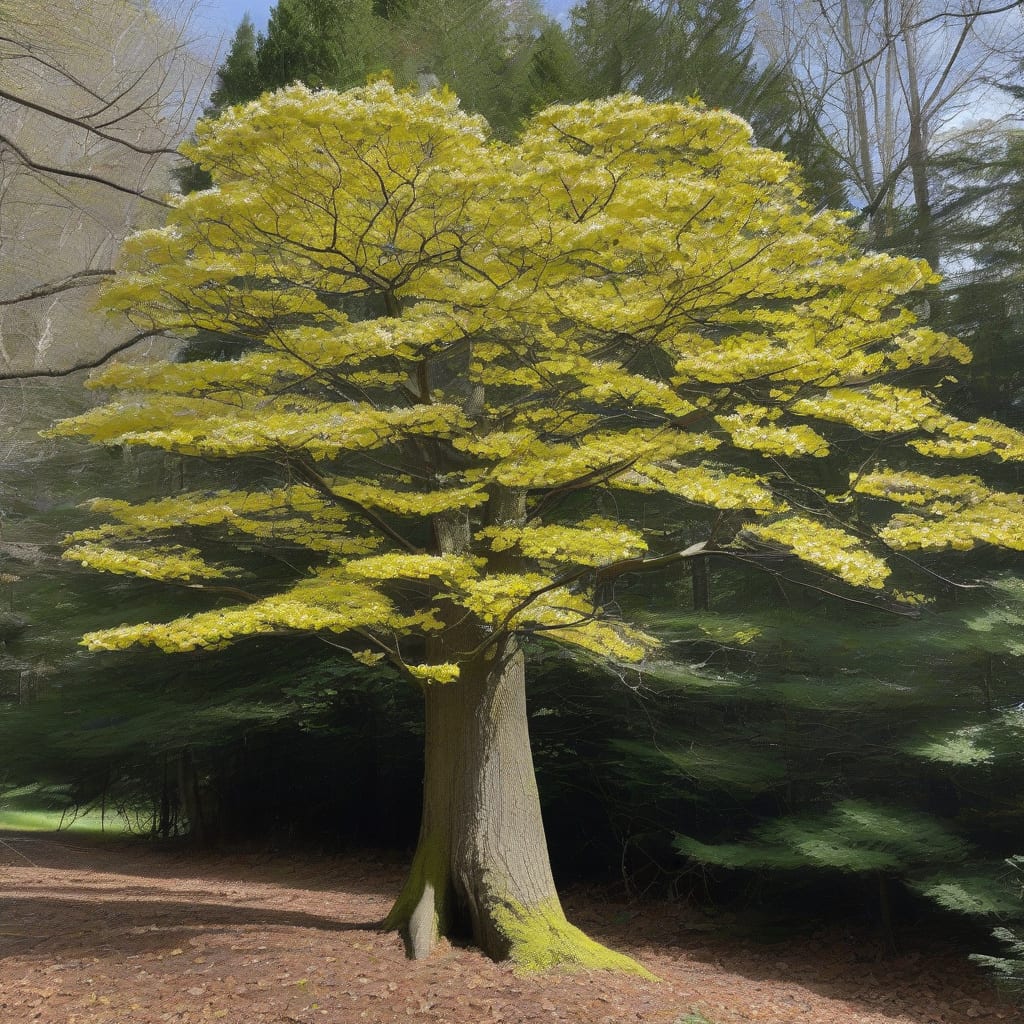
When planting a Dogwood 🌳 in your garden, understanding its growth potential is crucial for proper planning. The height of these beautiful trees can vary significantly based on factors like soil quality and pruning practices.
In USDA Zone 6, Dogwoods typically grow between 15-30 feet tall. I’ll explore the factors that influence their height and provide insights on how to manage their growth effectively in your landscape.

2-3 ft

4-6 ft

6-8 ft

15-30 ft
When considering how tall dogwoods grow, it’s essential to understand that their height is influenced by multiple factors. The soil quality plays a significant role, as dogwoods thrive in well-draining, fertile soil rich in organic matter 🌳.
The amount of sunlight dogwoods receive also affects their growth. While they can tolerate partial shade, full sun promotes healthier growth and potentially taller trees. The specific dogwood variety is another critical factor, as different cultivars have varying growth habits and maximum heights.
Dogwoods generally prefer moist but well-draining soil, which supports their root health and overall growth. In terms of watering needs, they require regular moisture, especially during dry spells, but are relatively adaptable to different watering conditions.
The USDA hardiness zone also impacts dogwood growth. In Zone 6, where dogwoods are well-suited, they typically thrive and reach their expected mature height. Proper fertilization during the growing season can further support their development.
Understanding these factors helps gardeners create optimal conditions for their dogwoods to grow and flourish. By focusing on soil quality, sunlight, and selecting the right variety, gardeners can better predict and manage the height of their dogwood trees.
Regular maintenance practices, including appropriate watering and fertilization, further support healthy growth. By combining these elements, gardeners can enjoy the beauty of their dogwoods while maintaining a well-planned garden landscape 🌳.
Dogwoods are known for their moderate growth rate, typically increasing in height by about 1-2 feet per year under ideal conditions. This growth rate can be influenced by factors such as soil nutrients and pruning practices.
Overall, understanding the factors that affect dogwood height allows gardeners to make informed decisions about planting and caring for these beautiful trees. With proper care and conditions, dogwoods can reach their full potential and become a stunning addition to any garden.
When exploring how tall dogwoods grow, it’s essential to examine the different varieties and their specific height ranges. The height of dogwood trees can vary significantly depending on the species and cultivar 🌳.
Different dogwood varieties have distinct growth patterns and maximum heights. Understanding these variations is crucial for gardeners to make informed decisions about which type to plant in their landscape.
The Cornelian Cherry Dogwood typically grows to an average height of 15-20 feet, with a maximum height of 25 feet. This variety is known for its compact growth habit and vibrant yellow flowers 🌼.
The Kousa Dogwood usually reaches an average height of 15-25 feet, with a maximum height of 30 feet. It’s prized for its showy white or pink flowers and late spring blooming period 🌸.
The Flowering Dogwood is one of the most common varieties, typically growing to an average height of 15-30 feet, with some specimens reaching up to 40 feet in ideal conditions 🌳.
By comparing the height ranges of different dogwood varieties, gardeners can select the most suitable cultivar for their specific landscape needs and preferences.
Understanding the average and maximum heights of popular dogwood varieties helps gardeners plan their landscapes more effectively and ensures they provide the necessary space for these beautiful trees to grow.
Managing the height of dogwood trees requires a combination of proper pruning techniques and regular maintenance practices. By understanding how to effectively manage their growth, gardeners can maintain the desired height and shape of their dogwood trees 🌳.
Prune dogwoods during their dormant season to maintain shape and control height effectively.
One of the most effective ways to manage dogwood height is through regular pruning. Pruning helps maintain the tree’s shape and can control its overall size. It’s best to prune dogwoods during their dormant season, typically in late winter or early spring, to minimize stress on the tree.
When pruning, focus on removing any dead or diseased branches first. This not only improves the tree’s appearance but also prevents the spread of disease and encourages healthy growth. Additionally, thinning out crowded branches can help improve air circulation and sunlight penetration, promoting overall tree health 🌸.
Another important aspect of managing dogwood height is proper planting. Selecting the right location with adequate space for mature growth is crucial. Dogwoods typically grow between 15-30 feet tall, so ensure you have enough room for the tree to reach its full height without overcrowding other plants or structures.
Regular maintenance practices, such as watering and fertilizing, also play a role in managing dogwood height. Proper care ensures the tree remains healthy and grows at a steady rate. Be sure to follow recommended fertilization guidelines for dogwoods to support their nutritional needs.
By combining pruning, proper planting, and regular maintenance, gardeners can effectively manage the height of their dogwood trees. This holistic approach helps maintain the tree’s health and ensures it remains a beautiful addition to the landscape 🌼.
