
Beautiful Plants For Your Interior
Beautiful Plants For Your Interior
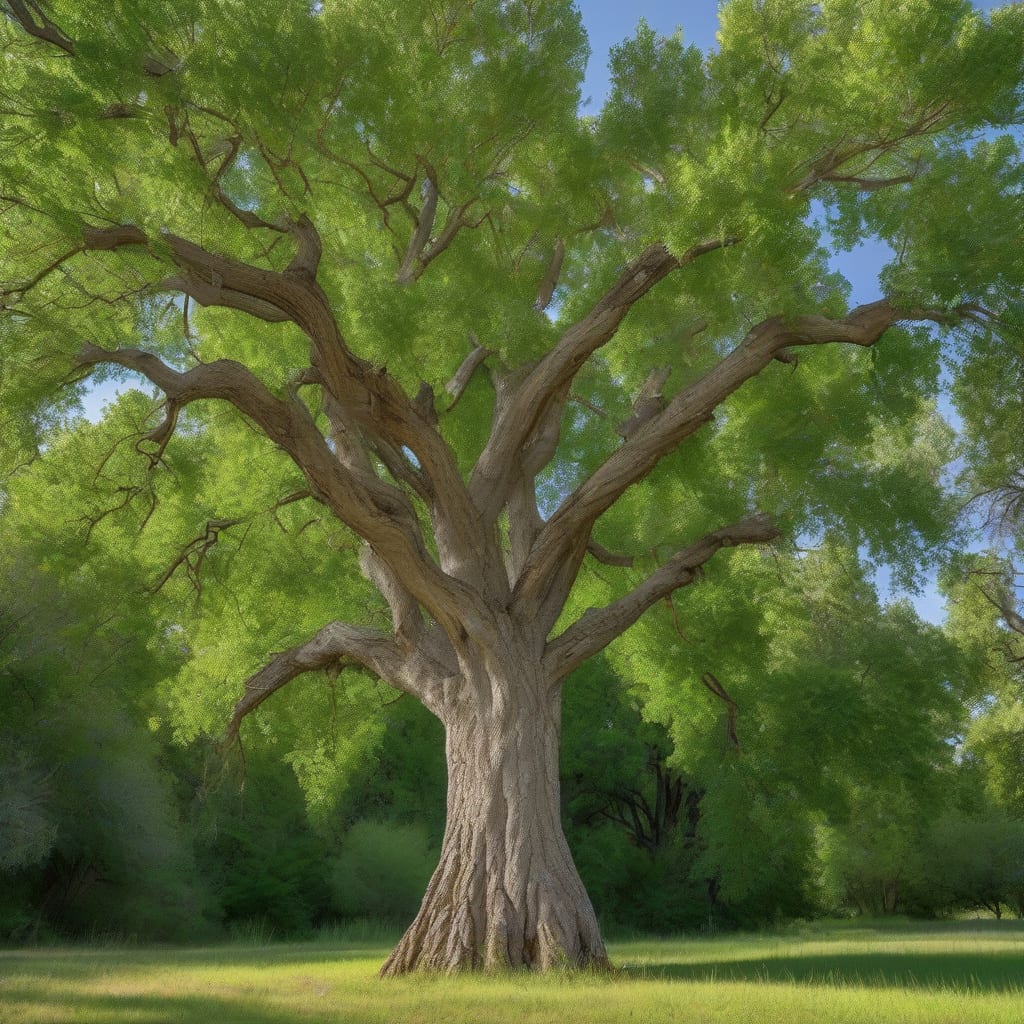
Cottonwood trees 🌳 are known for their impressive size and rapid growth, making them a popular choice for landscaping and shade. Understanding their potential height is crucial for proper garden planning in USDA Zone 6.
I’ve discovered that these trees can grow to be quite tall – typically between 50 to 100 feet at maturity. Let’s explore the factors that influence their growth and maximum height.

Cottonwood trees are known for their impressive size and rapid growth, making them a popular choice for landscaping and shade. The height of cottonwood trees can vary significantly depending on the species and environmental conditions 🌳.
I’ve discovered that different species of cottonwood trees have varying maximum heights. Let’s explore the typical heights of some common species to better understand their growth potential.
The Eastern Cottonwood is one of the most common species in North America, known for its rapid growth and tall stature. It can reach heights of 100 to 150 feet, making it an ideal choice for large landscapes 🌲.
Black Cottonwood is another prominent species, particularly in western North America. It is known for its even greater height potential, often reaching 100 to 170 feet. This species is particularly valued for its timber value. 俗.
The height of cottonwood trees is influenced by several factors,usin including species, soil quality, water availability, and climate conditions. Understanding these factors is crucial for managing the growth of these trees effectively 🌱.
Cottonwood trees are known for their rapid growth, especially when young. They can grow 3-5 feet per year under optimal conditions. However, their growth rate slows down as they mature 🌿.
To promote healthy growth and maximize height, cottonwood trees require full sun and consistent moisture. They thrive in well-drained soils with adequate nutrients 🌻.
Regular pruning and maintenance are essential to manage the height of cottonwood trees and prevent issues such as branch breakage or structural problems 🔧.
By understanding the factors that affect their growth, you can better manage the height of your cottonwood trees and ensure they remain healthy and vibrant for years to come 🌳.
Cottonwood trees are a beautiful addition to any landscape, providing shade and aesthetic appeal. Their impressive height and rapid growth make them a popular choice among homeowners and landscapers alike 🌲.
Whether you’re planting a new cottonwood tree or managing an existing one, understanding their growth potential is key to making informed decisions about their care and maintenance 🌱.
Cottonwood trees are known for their rapid growth and impressive height, but several factors can influence their development 🌳.
I’ve found that understanding these factors is crucial for managing the growth of cottonwood trees effectively. Let’s explore the key elements that affect their height and growth rate.
The growth and height of cottonwood trees are influenced by factors such as soil quality, water availability, climate conditions, and pruning practices.
Soil quality plays a significant role in the growth of cottonwood trees. They thrive in well-drained soils with adequate nutrients, which support healthy root development and overall tree health 🌱.
Water availability is another critical factor. Cottonwood trees require consistent moisture, especially when they’re young. Adequate water supply promotes rapid growth and helps the trees reach their maximum height 💧.
Climate conditions also impact the growth of cottonwood trees. They prefer full sun and thrive in temperate climates with warm summers and cold winters. Extreme weather conditions can affect their growth rate and overall health 🌞.
Pruning practices are essential for managing the height of cottonwood trees. Regular pruning helps maintain their structure, prevents branch breakage, and promotes healthy growth 🔧.
By understanding and managing these factors, you can optimize the growth and height of your cottonwood trees, ensuring they remain healthy and vibrant for years to come 🌳.
Cottonwood trees are a valuable addition to any landscape, providing shade, aesthetic appeal, and ecological benefits. Their impressive height and rapid growth make them a popular choice among homeowners and landscapers alike 🌲.
Proper care and maintenance are key to maximizing the potential of cottonwood trees. By considering the factors that affect their growth, you can make informed decisions about their care and ensure they thrive in your landscape 🌱.
Cottonwood trees are known for their impressive size and rapid growth, making them a popular choice for landscaping and shade 🌳. Managing their height is crucial for maintaining a safe and aesthetically pleasing landscape.
I’ve found that regular maintenance is key to controlling the height of cottonwood trees. Let’s explore some tips and considerations for managing their height effectively.
Regular pruning is essential to manage the height of cottonwood trees and prevent issues such as branch breakage or structural problems.
Pruning is a critical aspect of managing cottonwood tree height. It’s best to prune during the dormant season to minimize stress on the tree 🔧.
When pruning, focus on removing dead or damaged branches to maintain the tree’s structure and promote healthy growth 🌿.
For larger trees, consider hiring a professional arborist to ensure safe and effective pruning practices 🌲.
By following these tips and considering the unique needs of your cottonwood trees, you can effectively manage their height and enjoy their beauty for years to come 🌳.
Proper management not only enhances the aesthetic appeal of your landscape but also ensures the safety and health of your trees 🌻.
