
Beautiful Plants For Your Interior
Beautiful Plants For Your Interior
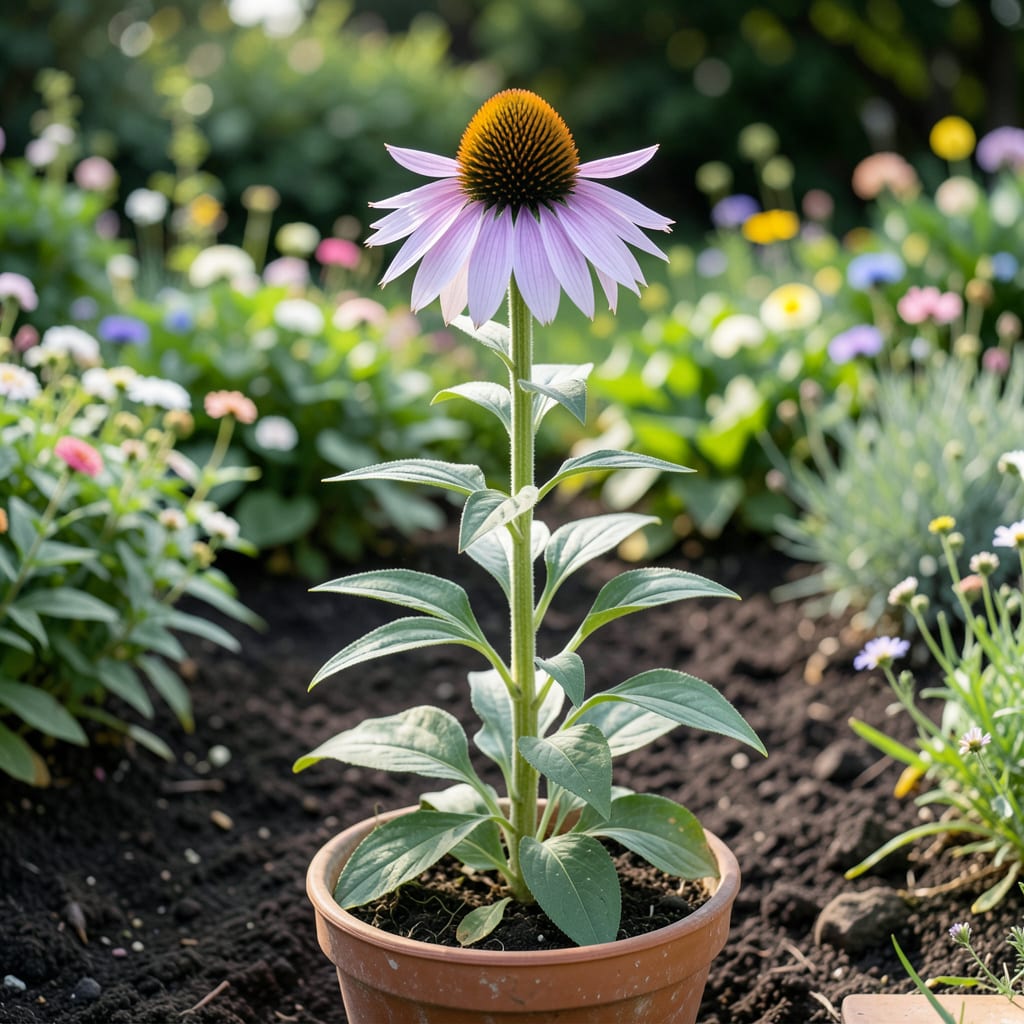
As I step into my garden, the vibrant Coneflowers 🌼 immediately catch my eye. These stunning flowers not only add beauty but also attract pollinators. Understanding their growth habits, particularly their height, is crucial for effective garden planning.
Coneflowers typically grow between 2-4 feet tall, depending on the variety and growing conditions in USDA Zone 6. Let’s explore the factors that influence their height and how to encourage optimal growth.


Coneflower height is influenced by several key factors that gardeners should consider when planning their garden. The variety of coneflower is one of the most significant factors, as different cultivars have been bred for specific heights ranging from 1-4 feet. Soil quality also plays a crucial role, with well-draining soil and adequate nutrient levels supporting healthier, more robust growth.
Sunlight exposure is another critical factor affecting coneflower height. These plants generally require full sun to thrive, meaning they need at least 6 hours of direct sunlight daily. Watering conditions also impact height, with consistent moisture during the growing season promoting better development, though coneflowers are generally drought-tolerant once established 🌼.
Understanding these factors helps gardeners create optimal growing conditions for their coneflowers. For instance, ensuring the soil is rich in organic matter and maintaining proper moisture levels can significantly impact the plant’s overall height and health.
The specific coneflower variety chosen will largely determine the expected mature height. Some compact varieties are bred to remain under 2 feet tall, while others can grow up to 4 feet or more in ideal conditions.
Gardeners should also consider the plant’s growth rate when planning their garden. Coneflowers typically take a few years to reach their full height, with first-year plants often being smaller than mature specimens.
In addition to variety and growing conditions, proper garden maintenance practices such as pruning and staking can influence coneflower height. Regular maintenance helps maintain the desired height and promotes healthy growth.
For gardeners in USDA Zone 6, coneflowers typically thrive when planted between March and May, after the last frost. This timing allows the plants to establish themselves during the growing season.
By understanding and managing these factors, gardeners can better control the height of their coneflowers and create a more balanced garden landscape.
Coneflowers are not only valued for their height but also for their attractive blooms and ability to attract pollinators. Their height makes them suitable for various garden designs, from border plantings to wildflower meadows.
Overall, the height of coneflowers is a result of a combination of genetic factors, growing conditions, and garden care practices. By optimizing these elements, gardeners can enjoy these beautiful plants at their full potential.
In conclusion, understanding the factors that influence coneflower height allows gardeners to make informed decisions about plant selection and garden management, ultimately leading to a more successful and visually appealing garden.
Coneflowers come in a variety of species and cultivars, each with its own typical height range. Understanding these differences is crucial for gardeners to plan their garden effectively.
The height of coneflowers can vary significantly depending on the specific variety. Some compact varieties are bred to remain under 2 feet tall, while others can grow up to 4 feet or more in ideal conditions.
The height range of coneflowers is an essential factor to consider when selecting varieties for your garden. By choosing the right variety, gardeners can achieve the desired height and create a balanced garden landscape.
Different coneflower species and cultivars offer a range of heights, allowing gardeners to select the perfect fit for their garden design. Whether you’re looking for compact varieties or taller cultivars, there’s a coneflower to suit your needs.
Gardeners should also consider the growth habits of different coneflower varieties. Some may require more maintenance than others, particularly in terms of pruning and staking.
By understanding the typical height range of different coneflower varieties, gardeners can make informed decisions about plant selection and garden management, ultimately leading to a more successful and visually appealing garden 🌼.
Managing coneflower height is crucial for maintaining a balanced and visually appealing garden. One effective method is through pruning techniques, which can help control the plant’s height and promote healthier growth 🌱.
Prune coneflowers in early spring to control height and encourage bushy growth. Cut back stems to about 6-12 inches from the ground.
Staking is another technique gardeners can use to manage coneflower height, especially for taller varieties that may become top-heavy with blooms. Using stakes or plant supports can help keep the plants upright and maintain their desired height.
The timing of planting also plays a role in managing coneflower height. Planting at the right time, such as in the spring after the last frost, allows coneflowers to establish themselves during the growing season, potentially maximizing their height.
Soil quality and nutrient management are additional factors that can influence coneflower height. Ensuring the soil is rich in organic matter and maintaining proper nutrient levels can support healthy growth and optimal height.
Gardeners should also be aware of the growth habits of different coneflower varieties. Some may naturally grow taller or shorter than others, and understanding these habits can help in planning garden layouts.
By combining these techniques—pruning, staking, appropriate planting times, and soil management—gardeners can effectively manage the height of their coneflowers and create a more balanced and attractive garden display 🌼.
Regular maintenance, including monitoring for pests and diseases, also contributes to healthy plant growth and can help maintain the desired height of coneflowers.
In conclusion, managing coneflower height involves a combination of pruning, staking, and providing optimal growing conditions. By implementing these strategies, gardeners can enjoy well-maintained and visually appealing coneflower plants in their gardens.
Coneflowers typically grow between 2-4 feet tall, depending on the variety and growing conditions. Some compact varieties remain under 2 feet tall, while others can reach up to 4 feet or more in ideal conditions. Proper care and optimal growing conditions can help achieve maximum height .
Several factors influence coneflower height, including soil quality, sunlight exposure, and watering conditions. Well-draining soil with adequate nutrients, full sun (at least 6 hours direct sunlight), and consistent moisture during the growing season all promote healthier, more robust growth. The specific coneflower variety also plays a significant role in determining height.
Yes, you can manage coneflower height through pruning techniques and staking. Pruning in early spring by cutting back stems to about 6-12 inches from the ground can help control height and encourage bushy growth. Staking is also effective, especially for taller varieties that may become top-heavy with blooms. Using stakes or plant supports helps keep plants upright and maintains desired height .
For gardeners in USDA Zone 6, the best time to plant coneflowers is between March and May, after the last frost. This timing allows the plants to establish themselves during the growing season, potentially maximizing their height. Planting at the right time is crucial for optimal growth and development.
