
Beautiful Plants For Your Interior
Beautiful Plants For Your Interior
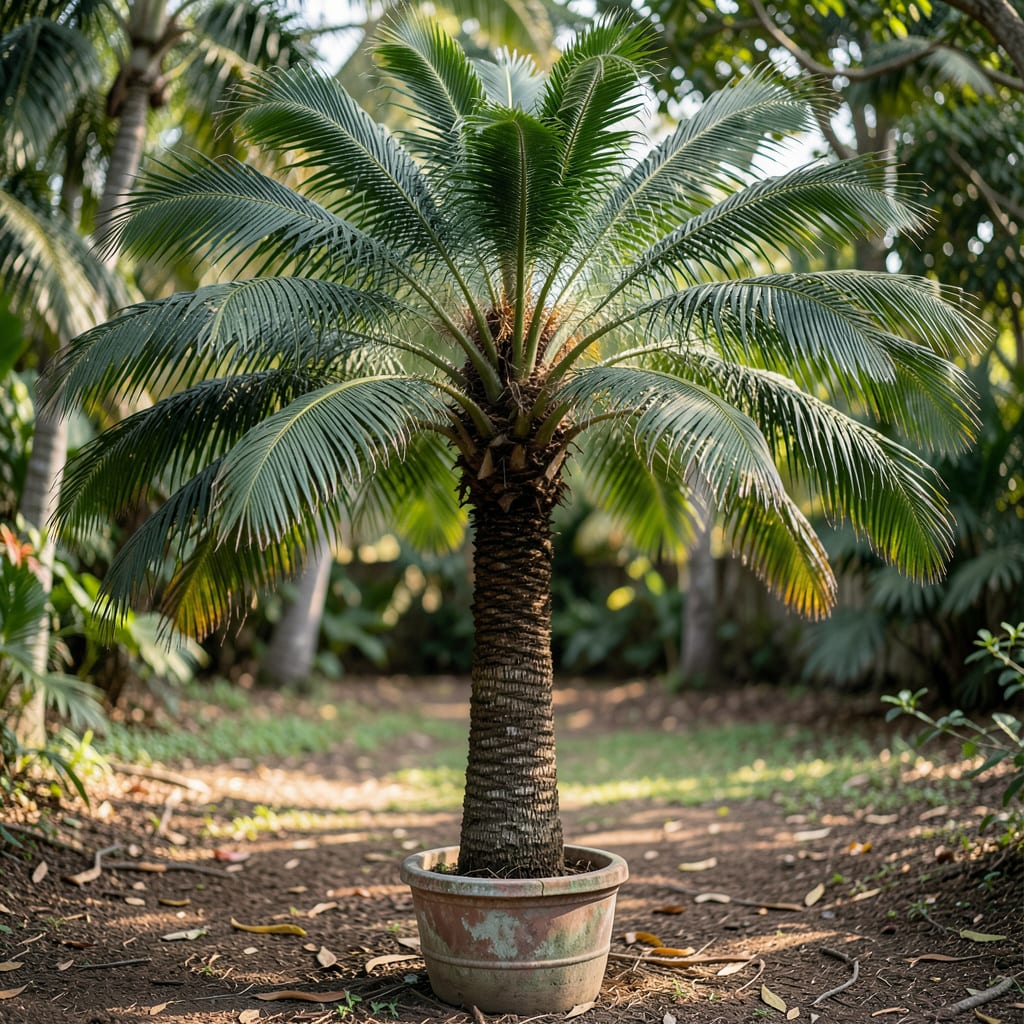
Coconut trees 🌴 are among the most iconic tropical plants, but their impressive height often raises questions for gardeners and enthusiasts alike. Growing in USDA Zone 6a requires special care, but understanding their growth potential is the first step.
I will explore how tall coconut trees can grow, what factors influence their height, and provide insights on caring for these magnificent trees to help them reach their full potential.


Coconut trees are among the most iconic tropical plants, and their height is influenced by multiple factors. Understanding these elements is crucial for gardeners and enthusiasts looking to cultivate these magnificent trees 🌴.
The height of coconut trees can vary significantly based on climate conditions, soil quality, and genetic factors. Climate plays a crucial role as coconut trees thrive in tropical environments with ample sunlight and rainfall.
Coconut trees require full sun and consistent moisture to reach their full height potential. In ideal conditions, they can grow remarkably tall, making them a striking feature in any landscape 🌟.
The USDA Zone also plays a significant role in determining the height of coconut trees. They thrive in Zone 6a and warmer, where they can grow without the constraints of colder temperatures.
Soil quality is another critical factor. Coconut trees prefer well-draining soil that is rich in nutrients. This ensures that the trees can absorb the necessary nutrients for optimal growth.
Understanding these factors helps in creating optimal conditions for coconut trees to grow tall and healthy. By ensuring the right climate, soil, and genetic conditions, gardeners can support their coconut trees in reaching impressive heights 🌿.
For those cultivating coconut trees, it’s essential to be aware of the different varieties and their specific needs. Some varieties are naturally more suited to certain conditions, affecting their overall height and growth rate.
Coconut trees are not just tall; they are also long-lived, with some trees producing coconuts for over 60 years. This longevity, combined with their height, makes them a valuable and iconic part of tropical landscapes 🌳.
In summary, the height of coconut trees is influenced by a combination of environmental and genetic factors. By understanding and managing these factors, gardeners can help their coconut trees achieve their maximum height potential.
Caring for coconut trees involves more than just providing the right conditions; it also includes regular maintenance and monitoring to ensure they remain healthy and continue to grow tall 🌱.
Coconut trees are known for their impressive height, which can vary significantly based on several factors. Understanding the maximum height potential of these trees helps gardeners and enthusiasts appreciate their growth capabilities 🌴.
The average height of a mature coconut tree ranges between 50 to 80 feet, with some exceptional specimens reaching even higher. The tallest coconut tree ever recorded reached heights of over 100 feet 🌳.
Coconut trees thrive in tropical environments with ample sunlight and consistent rainfall. These conditions support their growth to maximum heights.
Different varieties of coconut trees have inherent growth patterns that affect their height. Some varieties are naturally taller than others.
Well-draining soil rich in nutrients is crucial for healthy growth and achieving maximum height potential.
Coconut trees are not only tall but also long-lived, with some trees producing coconuts for over 60 years. This longevity, combined with their height, makes them a valuable and iconic part of tropical landscapes 🌳.
In ideal conditions, coconut trees can grow remarkably tall, making them a striking feature in any landscape. Their height is a testament to their adaptability and resilience in tropical environments 🌟.
For gardeners and enthusiasts, understanding the factors that influence the height of coconut trees can help in creating optimal growing conditions. This includes providing full sun and consistent moisture, which are essential for their growth.
The USDA Zone also plays a significant role in determining the height of coconut trees. They thrive in Zone 6a and warmer, where they can grow without the constraints of colder temperatures.
By understanding and managing the factors that affect coconut tree height, gardeners can support their trees in reaching impressive heights. Regular maintenance and monitoring are also crucial for ensuring the trees remain healthy and continue to grow tall 🌱.
Managing coconut tree height is crucial for both home gardeners and commercial growers to ensure the trees remain healthy and productive. Coconut trees can grow quite tall, typically ranging between 50 to 80 feet, and understanding how to manage their height can make a significant difference 🌴.
Regular pruning is essential to maintain a manageable height and promote healthy growth. Remove dead or damaged fronds to prevent disease and encourage new growth 🌱.
One effective method for managing coconut tree height is through regular pruning. Pruning helps maintain a manageable height and promotes healthy growth by removing dead or damaged fronds. This not only prevents disease but also encourages new growth.
Pruning techniques can vary depending on the specific needs of the tree. For instance, removing lower fronds can help improve air circulation around the tree, reducing the risk of disease. Additionally, pruning can help control the overall height of the tree, making it easier to harvest coconuts 🌳.
For commercial plantations, managing coconut tree height can also involve selecting dwarf or semi-dwarf varieties. These varieties are bred to be more compact and easier to manage, making them ideal for large-scale cultivation.
Another important aspect is regular maintenance. This includes monitoring the trees for signs of disease or pests and taking action promptly to prevent any issues from spreading. Regular maintenance ensures that the trees remain healthy and continue to grow well 🌟.
By implementing these strategies, gardeners and growers can effectively manage the height of their coconut trees, ensuring they remain a valuable and productive part of their landscape or plantation. Proper management not only enhances the aesthetic appeal of the trees but also contributes to their overall health and productivity 🌿.
In summary, managing coconut tree height involves a combination of regular pruning, selecting appropriate varieties, and maintaining overall tree health. By following these tips, you can enjoy the benefits of your coconut trees while keeping them at a manageable height 🌱.
Coconut trees typically grow between 50 to 80 feet tall when mature. Some exceptional trees can reach heights of over 100 feet in ideal conditions. The height is influenced by factors like climate, soil quality, and genetics. Proper care can help trees reach their maximum potential height .
Coconut trees can take 6-10 years to reach maturity. During this time, they grow steadily, with some varieties growing faster than others. Regular maintenance and optimal growing conditions can support healthy growth and help trees reach their full height potential .
Yes, coconut tree height can be managed through regular pruning and selecting dwarf or semi-dwarf varieties. Pruning involves removing dead or damaged fronds to promote healthy growth and control height. Dwarf varieties are naturally more compact, making them ideal for home gardens and commercial plantations .
Several factors influence coconut tree height, including climate, soil quality, and genetics. Trees thrive in tropical environments with ample sunlight and rainfall. Well-draining soil rich in nutrients also supports healthy growth. Understanding these factors helps in creating optimal growing conditions for coconut trees .
