
Beautiful Plants For Your Interior
Beautiful Plants For Your Interior
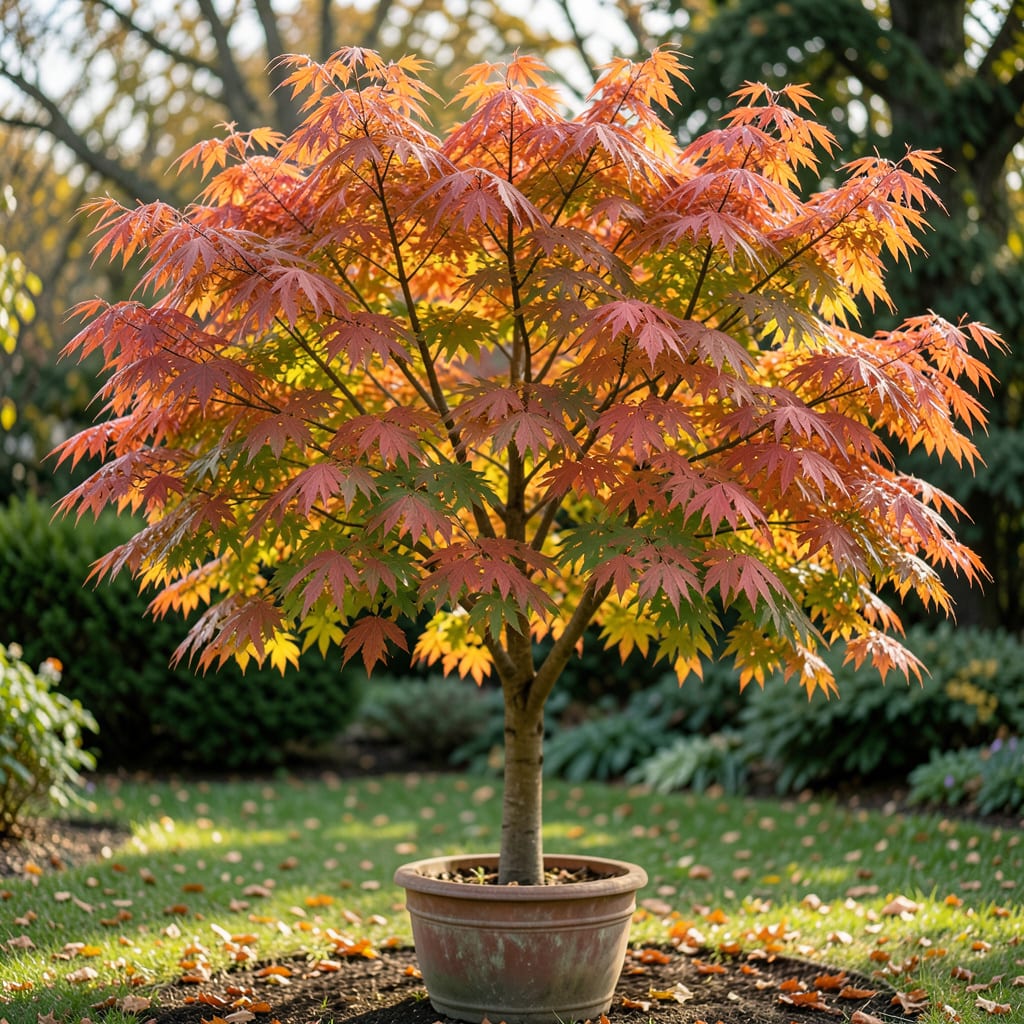
When planning your landscape, understanding the mature height of your trees is crucial. The Chinese Pistache 🌳 can grow quite tall, typically reaching heights between 30 to 50 feet, with some specimens growing even taller.
Knowing the growth expectations helps you choose the right location and plan for proper care. Let’s explore what influences their height and how to manage their growth effectively.


Chinese Pistache trees are known for their impressive growth and stunning fall colors. Understanding their height potential is crucial for proper landscape planning. These trees can grow quite tall, typically reaching heights between 30 to 50 feet, with some specimens growing even taller 🌳.
The mature height of a Chinese Pistache tree can vary based on several factors, including soil quality, watering practices, and climate conditions. On average, you can expect these trees to grow at a moderate rate of about 2 feet per year. With proper care, they can reach their maximum height within 20 to 30 years 🔥.
The height of Chinese Pistache trees is influenced by various factors, including soil quality, watering practices, and climate conditions. Trees growing in poor soil or experiencing drought stress may not reach their full height potential. Conversely, trees receiving optimal care and growing in favorable conditions are more likely to achieve their maximum height 🌟.
Understanding these growth expectations helps you make informed decisions about planting locations and care strategies. Proper planning ensures that your Chinese Pistache tree has enough space to grow and thrive.
Chinese Pistache trees are not only valued for their height but also for their ornamental value. Their stunning fall colors and attractive canopy make them a popular choice for landscaping. By understanding their growth patterns, you can better appreciate their potential in your landscape design 🎨.
It’s also important to note that while Chinese Pistache trees can grow quite tall, they are generally well-suited for urban environments. They are tolerant of pollution and can thrive in a variety of soil types, making them a versatile choice for many landscapes 🌆.
When planting a Chinese Pistache tree, consider its potential height and spread. Ensure that you provide enough space for the tree to grow without encroaching on buildings or other structures 🏠.
Regular maintenance, including pruning and fertilization, can help manage the tree’s height and promote healthy growth. By following proper care guidelines, you can enjoy the many benefits of having a Chinese Pistache tree in your landscape 🌿.
In summary, Chinese Pistache trees can grow to be quite tall, with average heights ranging from 30 to 50 feet. Understanding their growth expectations and providing proper care can help you make the most of these beautiful trees 🌲.
By appreciating the growth potential of Chinese Pistache trees, you can better plan your landscape and enjoy the many benefits these trees offer. Whether you’re looking for shade, ornamental value, or simply a beautiful addition to your yard, Chinese Pistache trees are an excellent choice 🌻.
The height of Chinese Pistache trees is influenced by various environmental and cultural factors. Understanding these factors is crucial for optimizing tree growth and achieving the desired height 🌳.
Soil quality plays a significant role in determining the height of Chinese Pistache trees. Trees growing in well-draining, fertile soil tend to grow taller than those in poor soil conditions. Soil pH also affects tree growth, with Chinese Pistache preferring a slightly acidic to neutral soil pH 🌿.
Proper soil conditions and watering practices are essential for optimal Chinese Pistache tree growth.
Watering practices are another critical factor affecting Chinese Pistache tree height. Consistent moisture, especially during the establishment phase, promotes healthy growth. However, overwatering can be detrimental, leading to root rot and stunted growth 💧.
Climate conditions also impact the height of Chinese Pistache trees. These trees thrive in full sun and temperate climates. Extreme weather conditions, such as prolonged drought or intense heat, can stress the tree and limit its growth 🌟.
Pruning practices can significantly influence the height and shape of Chinese Pistache trees. Regular pruning helps maintain a desired height and promotes a strong, balanced structure. Pruning should be done during the dormant season to minimize stress on the tree 🌲.
In addition to these factors, nutrient availability affects tree growth. Chinese Pistache trees benefit from regular fertilization, especially during the growing season. A balanced fertilizer provides essential nutrients for healthy growth and development 🌻.
By understanding and managing these factors, you can optimize the growth of your Chinese Pistache tree and achieve the desired height. Proper care and attention to environmental conditions will help your tree thrive and reach its full potential 🌱.
Regular monitoring of your tree’s health and adjusting care practices accordingly is crucial. This proactive approach ensures that your Chinese Pistache tree remains healthy and continues to grow well over time 🔥.
In summary, the height of Chinese Pistache trees is influenced by a combination of environmental and cultural factors. By understanding and managing these factors, you can promote healthy growth and achieve the desired height for your tree 🌳.
Proper pruning and care are essential for managing the height of Chinese Pistache trees and maintaining their overall health. Regular maintenance helps control the tree’s size and promotes a strong, balanced structure 🌳.
Pruning techniques play a crucial role in managing Chinese Pistache tree height. Pruning should be done during the dormant season to minimize stress on the tree. Remove any dead or damaged branches to promote healthy growth and maintain the desired shape 🔥.
Evaluate the tree’s structure and identify branches that need pruning.
Remove any dead or damaged branches to promote healthy growth.
Prune branches to maintain the desired shape and size.
In addition to pruning, regular fertilization is important for promoting healthy growth. Use a balanced fertilizer during the growing season to provide essential nutrients 🌻.
Watering practices also impact tree health. Ensure consistent moisture, especially during the establishment phase. Avoid overwatering, as it can lead to root rot and other issues 💧.
By following these pruning and care tips, you can effectively manage the height of your Chinese Pistache tree and enjoy its many benefits. Regular maintenance ensures that your tree remains healthy and continues to thrive 🌲.
Proper care and attention to your Chinese Pistache tree will help it reach its full potential. With the right techniques and regular maintenance, you can enjoy a beautiful and healthy tree for years to come 🌳.
Understanding the importance of pruning and care helps you make informed decisions about your tree’s maintenance. By following these guidelines, you can promote healthy growth and manage the tree’s height effectively 🌱.
Chinese Pistache trees typically grow between 30 to 50 feet tall, with some specimens reaching up to 70 feet under optimal conditions. Their moderate growth rate of about 2 feet per year helps them reach maturity within 20-30 years. Proper care and favorable growing conditions are key to achieving maximum height .
Several factors affect Chinese Pistache tree height, including soil quality, watering practices, and climate conditions. Trees in well-draining, fertile soil with consistent moisture tend to grow taller. Full sun and temperate climates also promote healthy growth, while extreme weather can stress the tree and limit its height .
Yes, regular pruning can help manage Chinese Pistache tree height. Prune during the dormant season to minimize stress, removing any dead or damaged branches. This maintains the desired shape and promotes healthy growth. Proper pruning techniques are essential for controlling height and ensuring the tree’s overall health .
Water your Chinese Pistache tree consistently, especially during its establishment phase. Aim for weekly watering during spring and fall, increasing to 2-3 times a week during summer. Avoid overwatering, as it can lead to root rot and other issues. Proper watering practices support healthy growth and help the tree reach its full height potential .
