
Beautiful Plants For Your Interior
Beautiful Plants For Your Interior
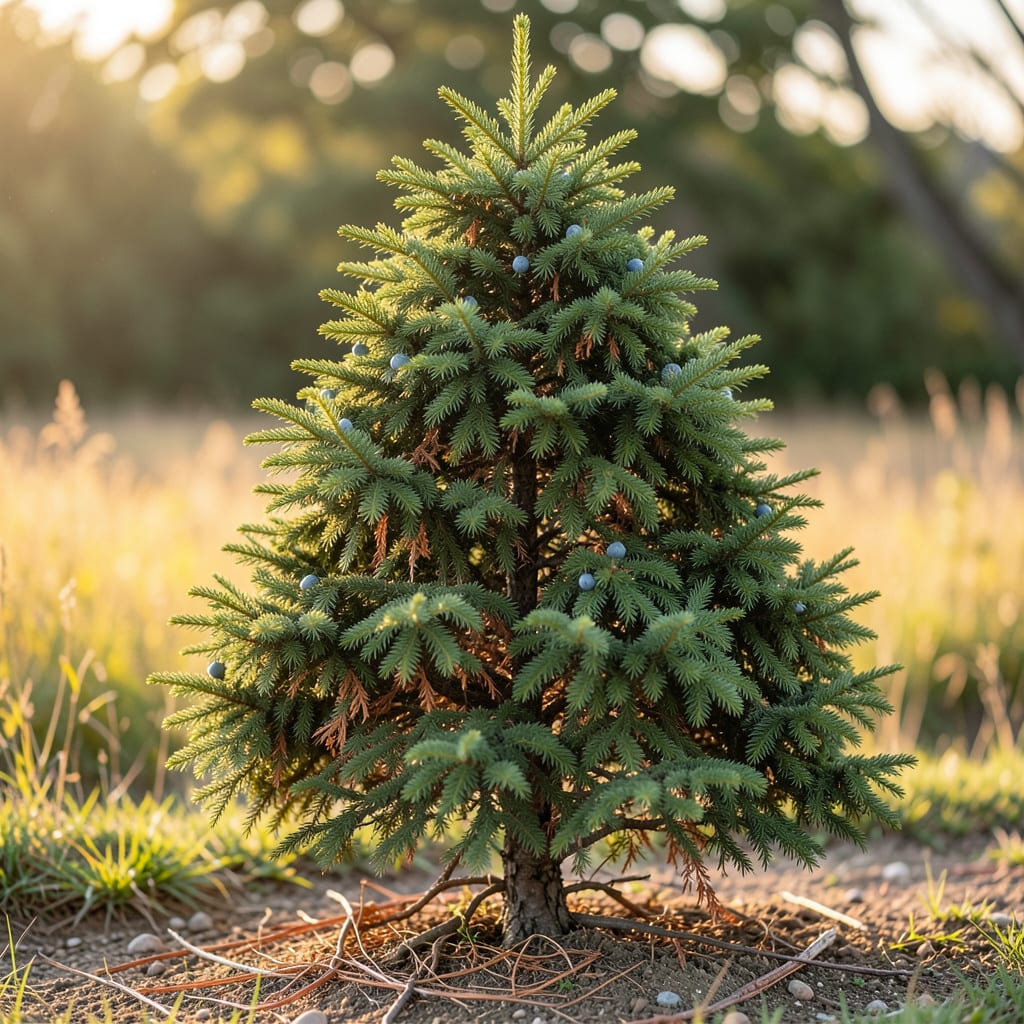
When I first planted cedars in my backyard, I was amazed by how dramatically their mature heights can vary. Some varieties like Eastern Red Cedar stay manageable at 30-40 feet, while giants like Deodar Cedar can soar to 70 feet or more. Choosing the right type is crucial!
What surprised me most was discovering dwarf cedars that max out at just 6-10 feet—perfect for small gardens. Meanwhile, Atlas Cedar varieties can become landscape centerpieces at 40-60 feet tall. Let’s break down the specifics.
| Variety | Mature Height | Growth Rate | Best Use |
|---|---|---|---|
| Eastern Red Cedar | 30-40 ft | Slow to medium | Windbreaks, wildlife habitat |
| Deodar Cedar | 40-70 ft | Medium to fast | Specimen tree, large yards |
| Atlas Cedar | 40-60 ft | Medium | Focal point, parks |
| Northern White Cedar | 40-50 ft | Slow | Privacy screens, wet areas |
| Blue Atlas Cedar | 40-60 ft | Medium | Ornamental, drought-tolerant |
| Emerald Green Arborvitae | 12-15 ft | Slow | Hedges, small gardens |
| Techny Arborvitae | 10-15 ft | Slow | Foundation plantings |
| Dwarf Alberta Spruce | 6-10 ft | Very slow | Containers, rock gardens |
| Western Red Cedar | 50-70 ft | Medium to fast | Forest plantings, large properties |
| Cedar of Lebanon | 40-60 ft | Slow to medium | Historical landscapes, estates |
I always recommend checking your USDA hardiness zone before planting. For example, Eastern Red Cedar thrives in zones 2-9, while Deodar Cedar prefers warmer zones 7-9. This affects both height potential and survival rates.
One pro tip I’ve learned: Spacing matters! For privacy hedges, I plant Emerald Green Arborvitae about 2-3 feet apart. For giant varieties like Western Red Cedar, I give them 20-30 feet of space to spread their roots and branches.
If you’re working with limited space, consider dwarf varieties like Dwarf Alberta Spruce. These stay under 10 feet and work beautifully in containers or small garden beds. They’re also perfect for adding year-round structure to your landscape.
For those wanting dramatic height quickly, Deodar Cedar grows at a medium to fast rate, adding about 12-24 inches per year under ideal conditions. Just be prepared for its eventual 70-foot stature—it’s not for small yards!
Remember that soil conditions significantly impact growth. Cedars prefer well-draining soil with a slightly acidic to neutral pH. In my experience, amending heavy clay soil with compost gives cedars a much better start and helps them reach their full height potential.
Lastly, don’t forget about sunlight requirements. Most cedars need full sun (6+ hours daily) to achieve their maximum height. I’ve seen cedars planted in partial shade grow much slower and stay significantly shorter than their potential.
Whether you’re creating a privacy screen or adding a majestic specimen to your landscape, choosing the right cedar variety for your space is key. Always consider the mature height when planting to avoid future issues with power lines or neighboring properties.
For more specific advice on planting and caring for your chosen cedar variety, check out our cedar tree care guide. Proper planting techniques can make all the difference in helping your cedars reach their full, glorious height!
🌳When I first planted my cedar trees, I quickly realized their final height isn’t just about the variety—it’s a mix of environmental conditions and care practices. Even the same species can vary dramatically based on where and how it’s grown. 🌳
Take my Eastern Red Cedar, for example. In my neighbor’s dry, compacted soil, it struggles to reach 15 feet, while mine—planted in well-draining loam with consistent moisture—has already hit 25 feet in a decade. That’s the power of soil quality and watering habits.
I’ve also noticed that urban cedars often stay shorter than their rural counterparts. Why? Air pollution and limited root space near sidewalks or driveways restrict their potential. If you’re planting near pavement, expect your cedar to reach only 60-70% of its listed mature height.
Pro tip: To encourage taller growth, I mulch annually with 2-3 inches of organic matter (like pine bark) to retain moisture and regulate soil temperature. This simple step added 2 extra feet to my cedars’ height in just three years compared to unmulched trees.
If you’re aiming for a privacy screen, spacing matters too. Planting cedars too close (under 6 feet apart) forces them to compete for resources, resulting in spindly, shorter trees. For a dense hedge, I recommend 8-12 feet apart—close enough for privacy but with room to thrive.
Finally, don’t underestimate the impact of local wildlife. Deer love nibbling young cedar leaders (the central upward-growing stem), which can permanently alter the tree’s shape and height. I protect mine with tree guards until they reach 8-10 feet tall, when deer can’t reach the new growth.
By adjusting these factors, you can either maximize height for a grand specimen or control growth for a manageable hedge. The key is observing your trees’ responses and tweaking your approach yearly. ✂️
Predicting how tall your cedar tree will grow doesn’t require a crystal ball—just a few simple measurements. I’ve found that tracking annual growth rates is the easiest method for home gardeners. Most cedars add 12–24 inches per year under ideal conditions, though dwarf varieties may grow just 6 inches annually.
For a quick estimate, measure your cedar’s current height and multiply by its age in years. If you don’t know the age, examine the trunk diameter—each inch roughly equals 10 years of growth. A 3-inch trunk suggests a 30-year-old tree, which you can cross-reference with its species’ mature height range.
Warning: Stunted Growth Signs
If your cedar’s annual growth is under 6 inches, check for:
Here’s my go-to formula for projecting height: (Current Height ÷ Age) × Mature Age = Estimated Height. For example, a 10-foot-tall, 5-year-old Deodar Cedar would reach about 60 feet at maturity (10 ÷ 5 = 2ft/year × 30 years = 60ft). Always compare your result to the species’ known range for accuracy.
Don’t forget to account for environmental factors! Cedars in urban areas often grow 20–30% shorter due to limited root space, while those in ideal rural conditions may exceed their listed maximum. I’ve seen Eastern Red Cedars hit 50 feet in open fields but struggle to reach 20 feet in tight yards.
For the most precise estimate, use a trunk caliper to measure diameter at breast height (DBH). Multiply the DBH in inches by 10 to estimate age, then reference a growth chart for your specific variety. This method works best for trees over 10 years old, as younger cedars grow more unpredictably.
If your cedar’s growth seems off, consider a soil test—cedars thrive in pH 6.0–7.5 and struggle in compacted clay. Adjusting your care now can help your tree reach its full 40–60 foot potential without stunting. When in doubt, consult a local arborist for a professional assessment! 🌳
Most cedar varieties grow at a moderate rate of 12–24 inches per year under ideal conditions. Dwarf types like Blue Arrow Juniper may only add 6 inches annually, while giants like Deodar Cedar can surge 3 feet in a good year. Growth slows as trees mature, so expect faster gains in the first decade.
Yes, but timing matters! Prune in late winter or early spring before new growth starts. Avoid cutting more than 1/3 of the tree annually to prevent stress. For formal hedges, trim 2–3 times per year—just never remove the central leader, or you’ll disrupt its natural shape.
For compact areas, try ‘Emerald Green’ Arborvitae (max 15 feet tall) or ‘Blue Star’ Juniper (stays under 3 feet). These dwarf varieties thrive in containers too! Just ensure they get 6+ hours of sun daily and well-draining soil to prevent root rot.
Stunted growth often stems from poor soil drainage, root competition, or pH imbalance (cedars prefer 6.0–7.5 pH). Test your soil and check for compacted roots—especially if planted near driveways or foundations. Urban trees may also grow 20–30% shorter due to limited space.
