
Beautiful Plants For Your Interior
Beautiful Plants For Your Interior
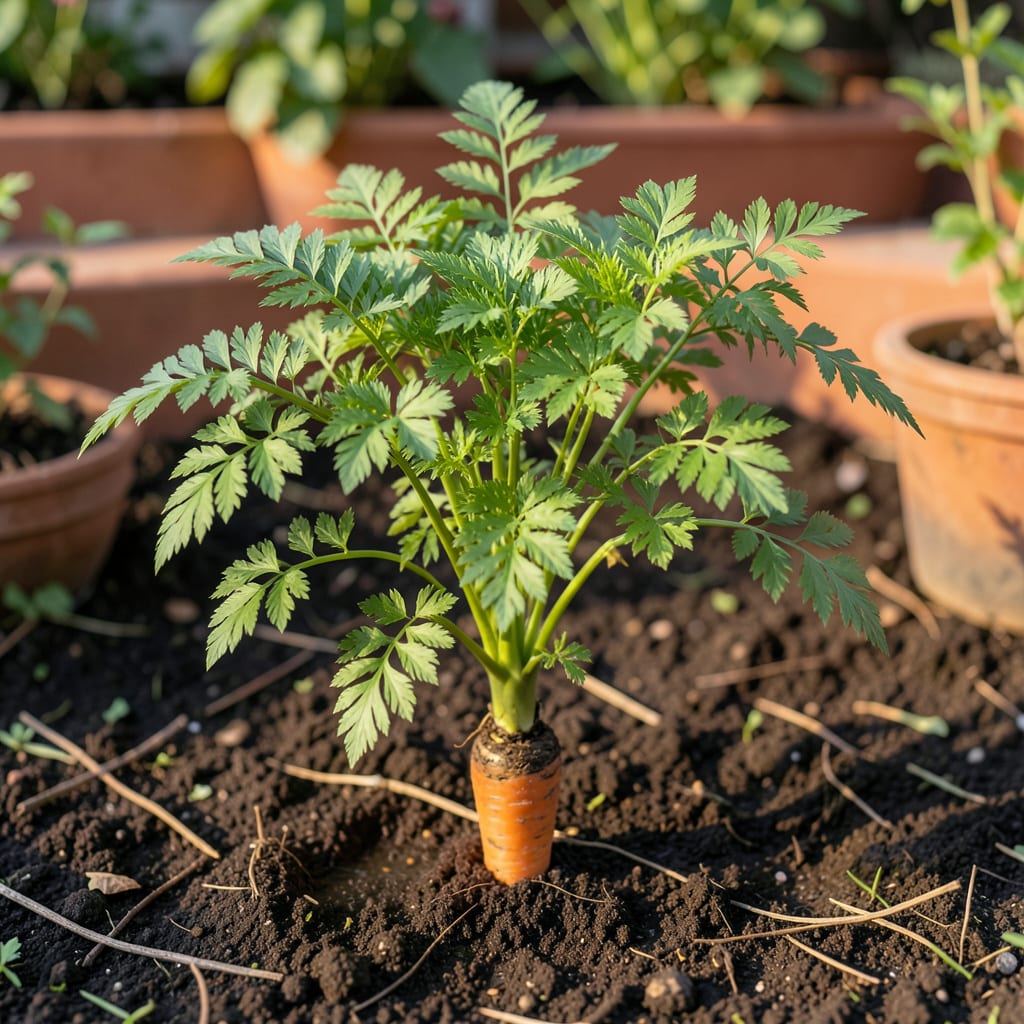
When growing 🥕 Carrot plants in USDA Zone 6, understanding their height is crucial for garden planning. Typically, they grow between 0.5 to 2 feet tall, depending on the variety and growing conditions.
Proper spacing and soil conditions play a significant role in their development. By knowing what to expect, you can optimize your garden layout for a successful harvest. Let’s explore the factors that influence Carrot plant height and how to manage them effectively.


Carrot plants typically grow between 0.5 to 2 feet tall, with their height influenced by factors such as variety, soil type, and growing conditions. Understanding these growth patterns is essential for planning your garden layout.
The height of carrot plants can vary significantly based on the specific variety being grown. Some compact varieties may remain relatively short, while others can grow taller. Proper spacing and soil conditions also play a crucial role in determining the final height of the plants 🌿.
The growth of carrot plants is primarily focused on developing a strong root system underground. The visible green foliage above ground, while not the primary harvest, still requires adequate space to grow and photosynthesize effectively 🌱.
Different varieties of carrots have been bred to emphasize different characteristics, including root size, color, and foliage height. Understanding these variations helps gardeners choose the best type for their specific needs and growing conditions.
Carrot plants generally require full sun to grow well, needing at least 6 hours of direct sunlight daily. The quality of the soil is equally important, with loose, sandy loam being ideal for preventing root deformation 🌾.
Maintaining consistent moisture levels is critical for carrot growth. The soil should be kept evenly moist, especially during the germination period, to support healthy development.
While carrot plants are relatively low-maintenance, they benefit from regular weeding and thinning to prevent overcrowding. This helps ensure that the remaining plants have enough space to grow both above and below ground.
The height of carrot foliage can be an indicator of the plant’s overall health. Healthy, vibrant green tops suggest that the carrots are developing well underground.
As carrot plants mature, their foliage may start to yellow and die back. This is a natural part of the growth cycle and indicates that the carrots are ready to be harvested 🥕.
By understanding the growth patterns and height of carrot plants, gardeners can better plan their garden layouts and ensure optimal growing conditions for a successful harvest.
Proper garden planning involves considering the mature height of carrot plants when spacing them. This helps prevent overcrowding and allows for better air circulation, reducing the risk of disease.
Several factors influence the height and overall growth of carrot plants. The variety of carrot being grown is a primary factor, as different types have been bred for various characteristics, including foliage height 🌿.
Soil type and quality also significantly impact carrot plant growth. Carrots prefer loose, sandy loam that allows for proper root development. Heavy or compacted soils can lead to stunted or deformed roots.
Optimal growing conditions, including proper soil and adequate sunlight, are crucial for healthy carrot plant growth.
Growing conditions, such as sunlight and moisture levels, also play a crucial role. Carrot plants require full sun to grow well, needing at least 6 hours of direct sunlight daily. Consistent moisture, especially during germination, supports healthy development 🌾.
Regular weeding and thinning are essential practices for managing carrot plant height and preventing overcrowding. This ensures that the remaining plants have enough space to grow both above and below ground.
The height of carrot foliage can be an indicator of the plant’s overall health. Healthy, vibrant green tops suggest that the carrots are developing well underground 🌱.
By understanding and managing these factors, gardeners can optimize the growth of their carrot plants and achieve a successful harvest 🥕.
Proper garden planning involves considering the mature height of carrot plants when spacing them. This helps prevent overcrowding and allows for better air circulation, reducing the risk of disease.
As carrot plants mature, their foliage may start to yellow and die back. This is a natural part of the growth cycle and indicates that the carrots are ready to be harvested.
To optimize carrot plant growth and prevent overcrowding, it’s essential to implement proper gardening techniques. One key aspect is maintaining adequate spacing between plants to allow for healthy development 🌿.
Carrot plants benefit from regular weeding and thinning to prevent competition for resources. This process helps ensure that the remaining plants have enough space to grow both above and below ground.
By following these gardening tips, you can effectively manage carrot plant height and promote optimal growing conditions. This leads to a healthier and more productive harvest 🥕.
Proper garden planning involves considering the mature height of carrot plants when spacing them. This helps prevent overcrowding and allows for better air circulation, reducing the risk of disease.
As carrot plants mature, their foliage may start to yellow and die back. This is a natural part of the growth cycle and indicates that the carrots are ready to be harvested.
Maintaining consistent moisture levels is also crucial for carrot growth. The soil should be kept evenly moist, especially during the germination period, to support healthy development 🌾.
By understanding and implementing these gardening practices, you can optimize the growth of your carrot plants and achieve a successful harvest.
Carrot plants typically grow between 0.5 to 2 feet tall, depending on the variety and growing conditions. Some compact varieties remain relatively short, while others can grow taller. Proper spacing and soil conditions play a crucial role in determining their final height .
Soil type significantly impacts carrot plant growth. Carrots prefer loose, sandy loam that allows for proper root development. Heavy or compacted soils can lead to stunted or deformed roots, affecting overall plant height .
Proper spacing is crucial for healthy carrot plant development. Maintaining 1-2 inches between plants prevents overcrowding, allowing for better air circulation and reducing the risk of disease. This helps ensure that the remaining plants have enough space to grow both above and below ground .
Carrot plants require full sun to grow well, needing at least 6 hours of direct sunlight daily. Consistent moisture, especially during germination, supports healthy development. Regular weeding and thinning are also essential practices for managing carrot plant height and preventing overcrowding .
