
Beautiful Plants For Your Interior
Beautiful Plants For Your Interior
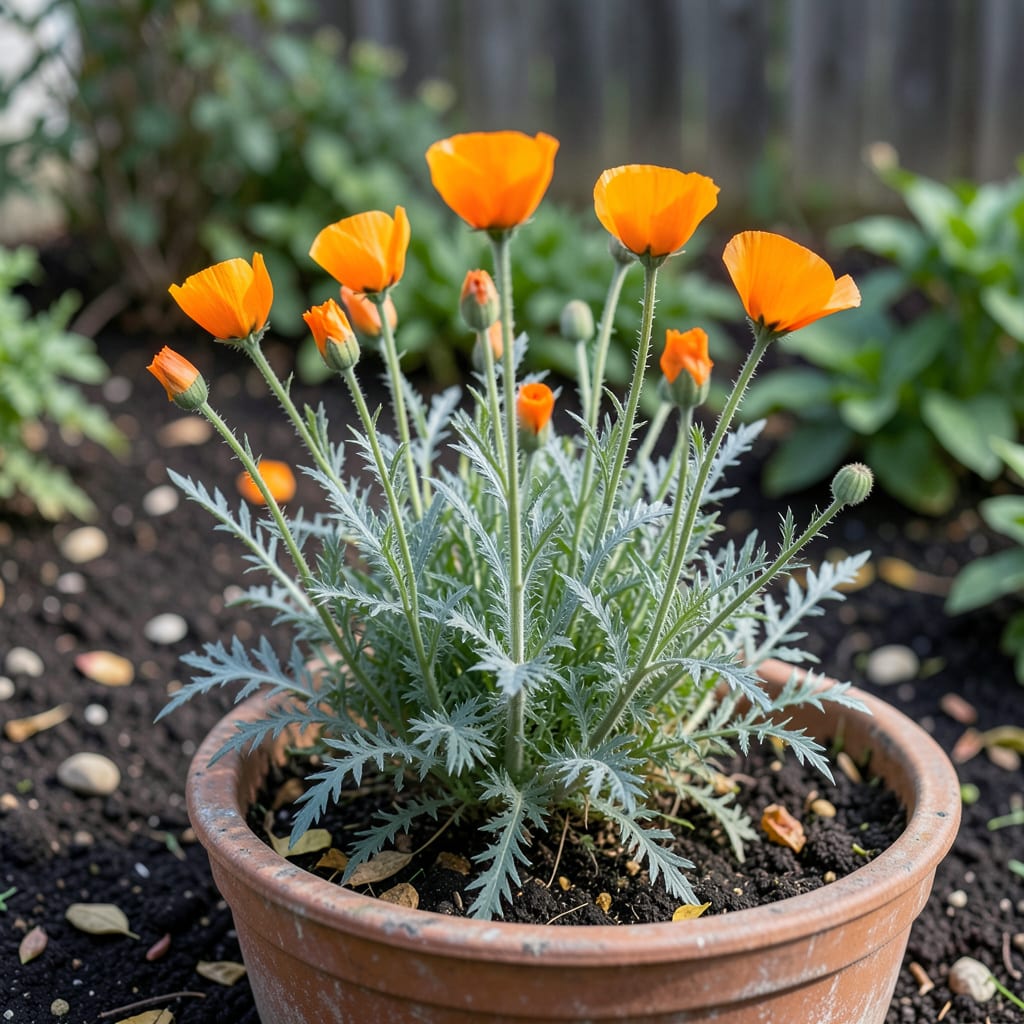
California poppies 🌼 are a vibrant addition to any garden, known for their bright orange blooms. But how tall can you expect them to grow? In USDA zone 6a, these beautiful flowers typically reach heights between 0.5 to 1.5 feet.
Understanding their growth habits is key to creating the perfect garden environment. Let’s explore what influences their height and how to make the most of these stunning plants in your garden.

California poppies are known for their vibrant orange blooms and relatively compact growth. The typical height range for these beautiful flowers is between 0.5 to 1.5 feet, making them an excellent choice for various garden settings.
The growth height of California poppies can be influenced by several factors including soil quality, sunlight exposure, and watering conditions. Understanding these factors is crucial for gardeners who want to optimize the growth of their California poppies.
The height of California poppies can vary based on the specific growing conditions. In general, they tend to thrive in full sun and well-drained soil. These conditions allow them to grow healthily and reach their maximum potential height.
It’s also worth noting that California poppies are drought-tolerant plants. This characteristic makes them suitable for areas with low rainfall or for gardeners who prefer low-maintenance plants.
When planting California poppies, gardeners should consider the soil quality and sunlight exposure. These factors play a significant role in determining the height and overall health of the plants.
In terms of specific height, California poppies typically grow to be around 1 foot tall under optimal conditions. However, their height can range from 0.5 to 1.5 feet depending on the factors mentioned earlier.
Gardeners can expect California poppies to grow relatively quickly, especially during the spring season. Proper care and maintenance can help ensure that these plants reach their full height potential.
To maximize the growth height of California poppies, gardeners should ensure they are planted in an area with adequate sunlight and good soil drainage. This will help promote healthy growth and vibrant blooms.
Overall, California poppies are a beautiful and relatively low-maintenance addition to any garden. Their vibrant orange blooms and compact growth make them an excellent choice for gardeners of all skill levels 🌼.
By understanding the factors that influence the height of California poppies, gardeners can better care for these plants and enjoy their beautiful blooms throughout the growing season.
With proper care and attention, California poppies can thrive and add a pop of color to any garden setting. Their relatively small size and vibrant blooms make them a popular choice among gardeners 🌼.
California poppy height is influenced by several key environmental factors that gardeners should consider when cultivating these beautiful flowers. The climate conditions, soil composition, and sowing methods all play significant roles in determining the ultimate height of California poppies 🌼.
One of the primary factors affecting California poppy height is soil quality. These plants thrive in well-drained soil that is not too rich or fertile. In fact, overly fertile soil can lead to more foliage growth at the expense of flower production.
To maximize California poppy height, ensure proper soil drainage and full sun exposure. Avoid overwatering and excessive fertilization.
Climate conditions also significantly impact the height of California poppies. These plants are adapted to the mild winters and dry summers typical of their native California habitat. They tend to grow more vigorously in cooler spring temperatures and may slow their growth during the hottest summer months.
The sowing method can also affect the height of California poppies. Since these plants do not transplant well, it’s best to sow seeds directly in the garden after the last frost. This allows the plants to establish a strong root system, which supports healthy growth and optimal height.
Maintenance practices, such as watering and fertilization, play a role in determining California poppy height. While these plants are drought-tolerant, consistent moisture during the germination and early growth stages can promote healthier plants. However, overwatering can lead to root rot and negatively impact height.
In terms of fertilization, California poppies generally do not require additional nutrients if planted in poor to moderately fertile soil. In fact, excessive fertilization can be detrimental, leading to more leaf growth and fewer flowers.
By understanding and managing these environmental factors, gardeners can create optimal conditions for their California poppies to reach their full height potential, typically between 0.5 to 1.5 feet 🌼.
Regular observation and adjustment of growing conditions can help gardeners achieve the best possible growth for their California poppies.
To effectively manage California poppy height in garden settings, gardeners should consider several practical strategies. These include pruning techniques, spacing strategies, and companion planting to optimize growth and maintain a visually appealing garden 🌼.
For optimal height management, plant California poppies in groups rather than spacing them too far apart. This encourages natural competition that can help maintain uniform height across the planting area.
One effective method for managing California poppy height is through pruning. While these plants generally require minimal pruning, removing spent flowers can encourage more blooms and help control their overall height.
Spacing strategies also play a crucial role in managing California poppy height. Planting them with adequate space between each poppy allows for proper air circulation and reduces competition for resources, promoting healthier growth.
Companion planting is another technique gardeners can use to manage California poppy height. Pairing them with other plants of similar height or growth habits can create a balanced and visually appealing garden display.
When planting California poppies, it’s essential to consider their mature size and leave enough space for them to grow. Typically, they reach heights between 0.5 to 1.5 feet, so planning accordingly will help maintain a well-balanced garden.
By implementing these strategies, gardeners can effectively manage the height of their California poppies and enjoy a beautiful, thriving garden filled with these vibrant flowers 🌼.
Regular maintenance, such as removing weeds and ensuring good soil drainage, will also contribute to healthy growth and optimal height.
California poppies typically grow between 0.5 to 1.5 feet tall, making them a great choice for various garden settings. Their height can vary based on factors like soil quality and sunlight exposure. Proper care can help them reach their full height potential .
Climate conditions significantly impact California poppy height. They thrive in mild winters and dry summers, growing more vigorously in cooler spring temperatures. During hot summer months, their growth may slow down. Understanding these climate preferences helps gardeners optimize growing conditions .
To manage California poppy height, use pruning techniques like removing spent flowers to encourage more blooms and control height. Planting in groups rather than spacing them too far apart can also help maintain uniform height. Regular maintenance like weeding and ensuring good soil drainage contributes to healthy growth .
Yes, California poppies thrive in well-drained soil that’s not too rich or fertile. Overly fertile soil can lead to more foliage growth at the expense of flowers. Ensuring proper soil drainage is key to maximizing their height and overall health. This makes them suitable for areas with poor soil quality .
