
Beautiful Plants For Your Interior
Beautiful Plants For Your Interior
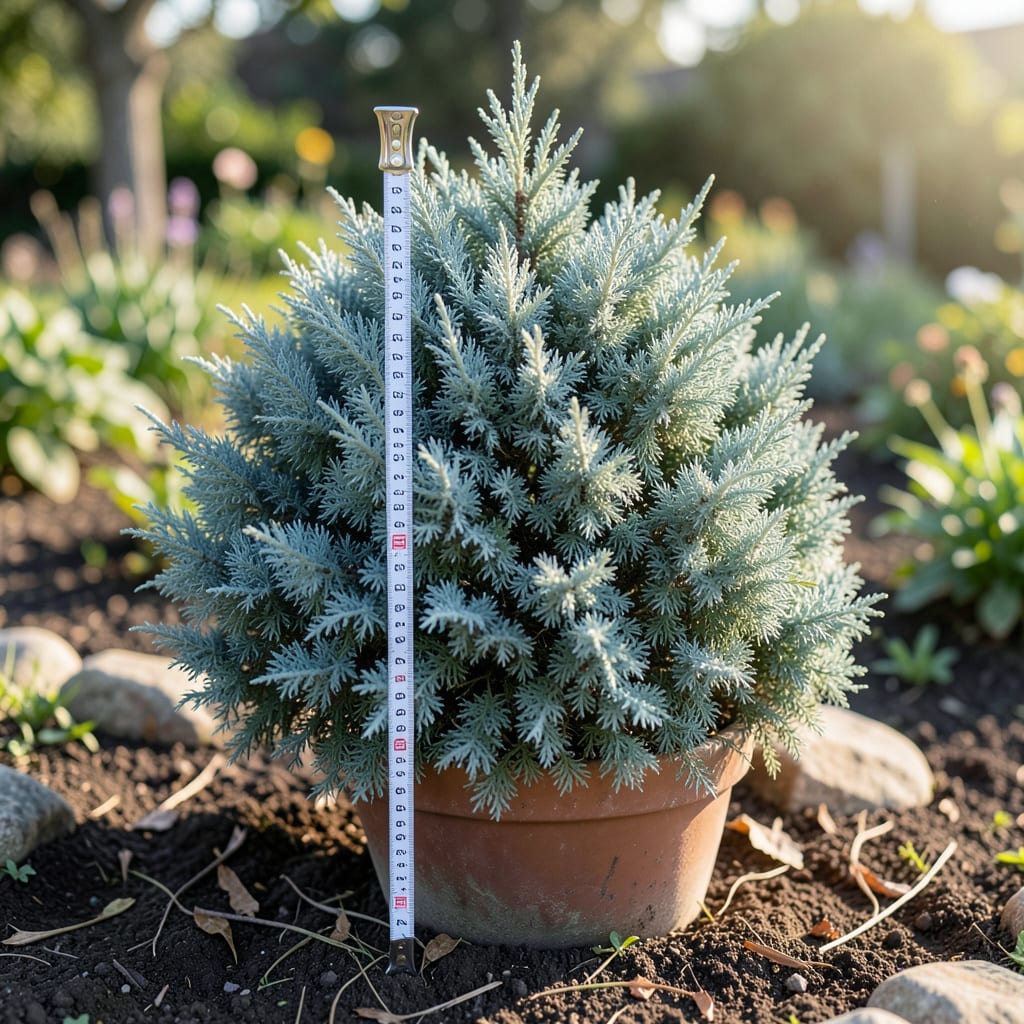
When planning your garden, understanding the mature height of your plants is crucial. Blue Junipers 🌲 can grow to varying heights depending on their cultivar and growing conditions. Knowing what to expect helps you create a balanced landscape.
The average height of Blue Junipers ranges from 5 to 12 feet, making them a versatile choice for different garden designs. Factors like soil quality and climate can influence their growth, and I’ll explore these aspects to help you make informed decisions.


Blue junipers are known for their striking color and versatile growth habits, making them a popular choice for landscaping. Understanding their mature height is crucial for proper garden planning 🌲.
The average height of blue junipers varies significantly depending on the specific cultivar. Generally, they can grow anywhere from 5 to 12 feet tall. Some compact varieties remain smaller, while others can reach heights that require regular pruning to maintain a desired size.
The height of blue junipers is influenced by various factors including soil quality, climate conditions, and maintenance practices. For instance, junipers grown in poor soil may not reach their full potential height, while those in optimal conditions can exceed expectations.
Different cultivars of blue juniper have distinct growth patterns. Some are naturally more compact, while others have a more vigorous growth habit. Understanding these differences is key to selecting the right variety for your garden.
When I, a gardening enthusiast, started growing blue junipers, I was amazed at how quickly they adapted to different environments. Their ability to thrive in various conditions makes them an excellent choice for many gardeners.
To ensure your blue junipers reach their optimal height, it’s essential to provide them with the right growing conditions. This includes well-drained soil and adequate sunlight. I’ll discuss these factors in more detail later.
One of the most common questions I get asked about blue junipers is how tall they can grow. The answer depends on several factors, including the specific cultivar and the growing conditions.
Blue junipers are generally considered to be medium-sized shrubs, making them suitable for a variety of landscaping needs. Whether you’re looking to create a hedge or add some color to your garden, there’s a blue juniper variety that’s right for you.
In the next section, we’ll explore the factors that affect the growth height of blue junipers, including soil quality, climate conditions, and maintenance practices.
By understanding these factors, you can better manage the height of your blue junipers and ensure they thrive in your garden.
Understanding the factors that influence the growth height of blue junipers is essential for gardeners who want to manage their landscape effectively. Several key elements can impact how tall these plants will grow 🌲.
Soil quality plays a significant role in determining the height of blue junipers. These plants prefer well-drained soil and can struggle in areas with poor drainage or compacted soil. Soil that is rich in organic matter can support healthier growth, potentially leading to taller plants.
Blue junipers are highly adaptable to different soil types, but optimal growth occurs in slightly acidic to neutral soil pH (6.0-7.0). Soil conditions can significantly affect their mature height and overall health.
Climate conditions are another crucial factor. Blue junipers thrive in full sun and can tolerate a range of temperatures. However, extreme weather conditions, such as prolonged drought or excessive moisture, can impact their growth. In areas with harsh winters, protection from wind and frost can help maintain plant health and support optimal growth.
Maintenance practices, including pruning, also affect the height of blue junipers. Regular pruning can help control the size and shape of the plant, keeping it within desired dimensions. Pruning should be done carefully to avoid damaging the plant and to encourage healthy growth.
In my experience with gardening, I’ve found that understanding these factors can make a significant difference in how well your blue junipers grow. By paying attention to soil quality, climate conditions, and maintenance practices, you can better manage the height of your plants and ensure they thrive in your garden 🌿.
For gardeners looking to optimize the growth of their blue junipers, it’s essential to consider these factors and adjust your care routine accordingly. By doing so, you can enjoy the beauty and versatility of these plants in your landscape for years to come.
Blue junipers are not only valued for their striking color but also for their ability to adapt to various growing conditions. This adaptability makes them a popular choice for many gardeners.
By understanding the factors that influence their growth height, you can make informed decisions about how to care for your blue junipers and achieve the desired height in your garden.
To maintain the desired height of blue junipers, regular pruning and proper care are essential 🌲. Pruning not only controls the size but also promotes healthy growth and maintains the plant’s aesthetic appeal.
When I started pruning my blue junipers, I learned that it’s best to do so during the dormant season, typically in late winter or early spring. This timing helps minimize stress on the plant and encourages new growth in the growing season.
Evaluate the blue juniper’s current height and shape. Identify any dead or damaged branches that need removal.
Remove any branches that are growing beyond the desired height. Cut back to a lateral bud or a lateral branch to maintain the natural shape.
Selectively remove interior branches to improve air circulation and allow light to penetrate, promoting healthy growth.
In addition to pruning, proper care practices can help manage the height of blue junipers. Ensuring they receive adequate sunlight and are planted in well-drained soil supports their overall health and growth.
By following these pruning and care tips, you can effectively manage the height of your blue junipers and enjoy their beauty in your garden for years to come 🌿.
Regular maintenance not only keeps your blue junipers at the desired height but also enhances their overall appearance and health.
As a gardener, I’ve found that a little regular maintenance goes a long way in keeping blue junipers looking their best.
Blue junipers typically grow 1-2 feet per year when young, slowing down to about 6-12 inches per year as they mature. Their growth rate can be influenced by factors like soil quality and climate conditions. Proper care can support healthy growth.
Yes, blue junipers can be kept small through regular pruning. Prune during the dormant season to minimize stress and encourage healthy growth. Regular maintenance helps control their size and maintains their aesthetic appeal.
Soil quality significantly impacts blue juniper growth. They prefer well-drained soil and can struggle in compacted or poorly drained areas. Soil rich in organic matter supports healthier growth, potentially leading to taller plants. Soil conditions can make a big difference!
The average height of blue junipers varies by cultivar, ranging from 5 to 12 feet tall. Compact varieties remain smaller, while standard varieties can reach greater heights. Understanding these differences helps in selecting the right variety for your garden.
