
Beautiful Plants For Your Interior
Beautiful Plants For Your Interior
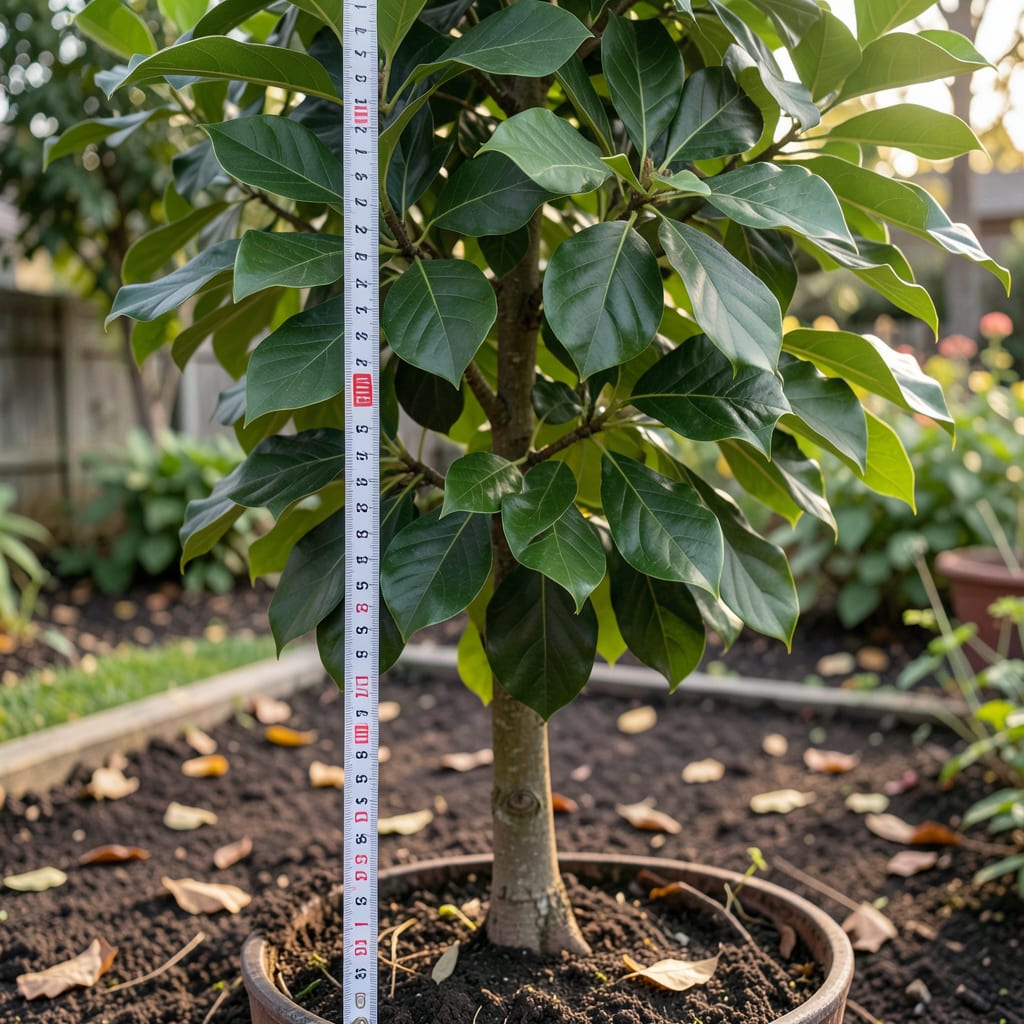
When growing a Bay Tree 🌳, understanding its potential height is crucial for proper garden planning. These elegant trees can add both fragrance and beauty to your outdoor space, but their growth needs to be managed effectively.
I’ve found that Bay Trees can grow between 12 to 30 feet tall, depending on factors like soil quality, pruning practices, and growing conditions in your USDA Zone 6 garden. Let’s explore what you can expect and how to manage their size.

When growing bay trees, understanding the factors that influence their height is crucial for effective garden planning. The height of bay trees can vary significantly based on several environmental and care-related factors 🌳.
I’ve found that soil quality plays a significant role in determining bay tree height. Well-draining soil with a pH between 6.0 and 7.0 is ideal for healthy growth. Bay trees also require adequate sunlight, thriving in full sun to partial shade conditions. Proper watering practices are essential, as consistent moisture promotes healthy development 🌿.
Pruning is a critical care practice that directly affects bay tree height. Regular pruning not only maintains the desired shape but also encourages dense growth. Bay trees can be trained into various forms, from compact shrubs to small trees, making them versatile for different garden designs 🔥.
The climate and USDA zone also impact bay tree growth. In USDA Zone 6, bay trees generally thrive but may require protection during harsh winters. Mulching around the base can help insulate the roots and promote healthier growth.
Understanding these factors helps gardeners make informed decisions about planting and caring for bay trees. By optimizing conditions and employing proper care techniques, gardeners can achieve the desired height and health for their bay trees 🌿.
Bay trees are known for their adaptability to different growing conditions, making them a popular choice for various garden settings. Their ability to thrive in containers also adds to their versatility, allowing gardeners to control their size more effectively 📦.
For gardeners looking to maintain a specific height, regular monitoring and adjustment of care practices are essential. This includes pruning at the right time and ensuring the tree receives adequate nutrients. By doing so, gardeners can enjoy the benefits of bay trees while keeping them at a manageable size 🌟.
In conclusion, the height of bay trees is influenced by a combination of environmental factors and care practices. By understanding and managing these factors, gardeners can optimize the growth and health of their bay trees, ensuring they remain a beautiful and fragrant addition to their gardens 🌱.
Bay trees are known for their versatility in growth, ranging from compact shrubs to small trees. The average height of bay trees typically falls between 12 to 20 feet, making them suitable for various garden designs 🌳.
I’ve observed that the maximum height of bay trees can reach up to 30 feet under optimal growing conditions. Factors such as soil quality, sunlight exposure, and pruning practices play a significant role in determining their ultimate height 🌿.
Typically grow between 3 to 6 feet tall, ideal for patio gardens or indoor spaces.
Can achieve heights of 12 to 20 feet when planted directly in the ground with proper care.
Regular pruning can maintain bay trees at a compact size of 3 to 4 feet, perfect for topiaries or hedges.
The height of bay trees can vary significantly based on the growing conditions and care practices. Understanding these factors helps gardeners make informed decisions about planting and caring for their bay trees 🌟.
For gardeners in USDA Zone 6, bay trees can be a versatile addition to their gardens. With proper care, including regular watering and mulching, bay trees can thrive and reach their full potential 🌱.
By managing factors such as soil quality and pruning practices, gardeners can control the height of their bay trees effectively. This allows for a tailored approach to garden design, whether aiming for a compact shrub or a taller tree 🌿.
In summary, the height of bay trees is influenced by a combination of environmental factors and care practices. By understanding and managing these factors, gardeners can optimize the growth and health of their bay trees, ensuring they remain a beautiful and fragrant addition to their gardens 🌳.
Pruning and training are essential techniques for managing the size and shape of bay trees. Regular pruning not only helps maintain the desired height but also encourages dense foliage and a healthy structure. I recommend pruning bay trees in late spring or early summer when new growth appears 🌿.
To effectively prune bay trees, start by removing any dead or damaged branches. This helps prevent disease and promotes healthy growth. Use sharp, clean pruning shears to make clean cuts just above a leaf node, encouraging new growth 🌱.
Evaluate the bay tree’s current shape and identify areas that need pruning.
Cut away any dead, diseased, or damaged branches to maintain health.
Trim back overgrown branches to maintain the desired shape and size.
Training bay trees involves guiding their growth to achieve a specific form, such as a topiary or hedge. Regularly pinching back new growth encourages branching and denser foliage. For topiaries, use wire frames to shape the tree into the desired form 🌸.
By combining proper pruning and training techniques, you can effectively manage the size of your bay trees, ensuring they remain a beautiful and functional part of your garden. Regular maintenance is key to achieving the desired results 🌟.
For gardeners in USDA Zone 6, it’s essential to protect bay trees during harsh winters. Mulching around the base and covering the tree can help insulate the roots and prevent damage ❄️.
In conclusion, managing bay tree size through pruning and training is a straightforward process that requires regular attention. By following these steps, you can enjoy a healthy, well-shaped bay tree that enhances your garden’s beauty and fragrance 🌿.
Bay trees usually grow between 12 to 20 feet tall, but can reach up to 30 feet in ideal conditions. Their height depends on factors like soil quality and pruning practices. Regular pruning helps maintain desired heights .
Container-grown bay trees typically stay smaller, growing between 3 to 6 feet tall. This makes them perfect for patio gardens or indoor spaces. Container size and regular pruning help control their height .
Yes, regular pruning effectively controls bay tree height. Prune in late spring or early summer to maintain shape and encourage dense foliage. You can keep them as compact as 3 to 4 feet for topiaries or hedges .
Growing conditions like soil quality, sunlight, and watering impact bay tree height. Well-draining soil with pH 6.0-7.0 and consistent moisture promote healthy growth. Bay trees thrive in full sun to partial shade conditions .
