
Beautiful Plants For Your Interior
Beautiful Plants For Your Interior
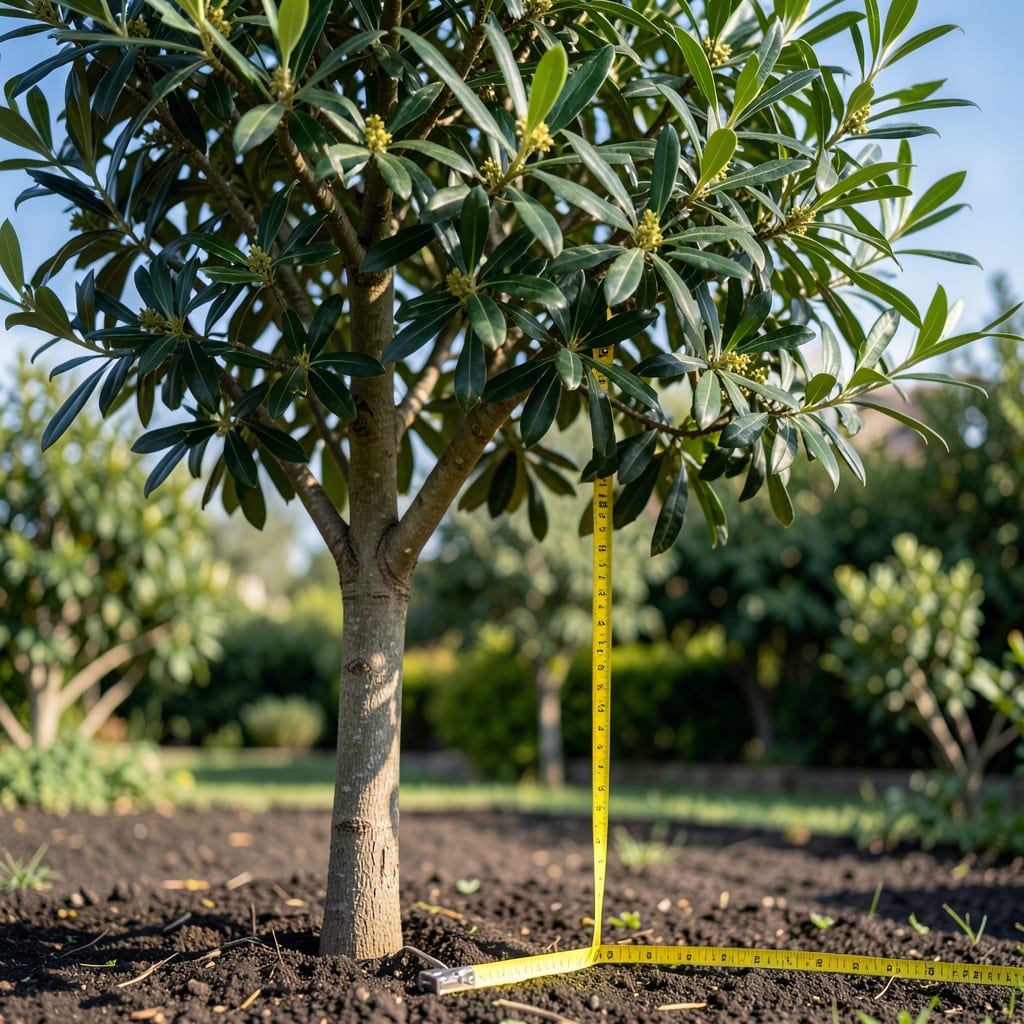
When growing Bay Laurel 🌳, understanding its potential height is crucial for proper garden planning. These versatile trees can become a beautiful addition to any landscape, but their growth patterns need to be considered.
Bay Laurel trees can grow between 12-30 feet tall, making them a substantial presence in any garden. I’ll explore the factors that influence their height and provide guidance on managing their size through proper care and pruning techniques.


Understanding the factors that influence bay leaf tree height is crucial for gardeners and cooks who want to cultivate these versatile plants. Bay leaf trees, also known as Bay Laurel, can grow between 12-30 feet tall, but their actual height depends on various conditions 🌳.
The growth of bay leaf trees is influenced by several key factors, including climate, soil quality, and maintenance practices. These factors can significantly impact the tree’s ultimate height and overall health.
Climate plays a significant role in determining the height of bay leaf trees. They prefer mild winters and warm summers, typical of Mediterranean climates. Extreme temperatures can stress the tree and impact its growth.
Soil quality is another critical factor. Bay leaf trees require well-draining soil to prevent root rot and ensure healthy root development. The soil should also be rich in organic matter to support the tree’s nutritional needs.
Maintenance practices, such as pruning and fertilization, are vital for managing the tree’s size and promoting healthy growth. Regular pruning helps maintain the desired shape and size, while fertilization provides essential nutrients 🌿.
By understanding and controlling these factors, gardeners can influence the ultimate height of their bay leaf trees and ensure they remain healthy and productive.
Proper care and attention to the tree’s needs will result in a thriving bay leaf tree that meets the gardener’s expectations for size and health.
Bay leaf trees are not only valued for their culinary uses but also for their ornamental qualities. Their ability to be shaped into various forms makes them a popular choice for topiaries and hedges.
In conclusion, the height of bay leaf trees is influenced by a combination of climate, soil quality, and maintenance practices. By optimizing these factors, gardeners can grow healthy and productive trees that meet their needs.
Bay leaf trees, also known as Bay Laurel, are known for their impressive growth potential. They can grow between 12-30 feet tall, making them a substantial presence in any garden 🌳.
The average height of a mature bay leaf tree typically ranges from 15-20 feet, but some specimens have been known to reach heights of up to 30 feet or more in ideal conditions.
Bay leaf trees typically grow 1-2 feet per year when young, slowing down to 6-12 inches per year as they mature.
The maximum recorded height for bay leaf trees is around 40 feet in ideal conditions, although this is rare 🌲.
Factors such as soil quality, climate, and maintenance practices can significantly impact the tree’s ultimate height.
The growth rate of bay leaf trees is generally considered to be moderate. Young trees can grow quite vigorously, adding 1-2 feet of height per year. As they mature, their growth rate slows down to around 6-12 inches per year.
To achieve maximum height, bay leaf trees require optimal growing conditions. This includes full sun to partial shade, well-draining soil, and regular watering 🌿.
Pruning is also an essential factor in managing the height of bay leaf trees. Regular pruning can help control the tree’s size and promote a bushy, dense growth habit 🌱.
In ideal conditions, with proper care and maintenance, bay leaf trees can reach their maximum potential height and remain healthy and productive for many years.
Pruning and training are essential techniques for managing the size of bay leaf trees. By pruning regularly, you can control the tree’s height and maintain its desired shape 🌳.
Bay leaf trees can grow quite large if left unpruned, reaching heights of 12-30 feet. However, with regular pruning, you can keep them at a more manageable size, making them suitable for smaller gardens or even containers.
Prune your bay leaf tree in the spring, removing any dead or damaged branches to promote healthy growth.
Regularly trim back branches to maintain the desired shape and size of your bay leaf tree.
Keep an eye on your tree’s growth and adjust your pruning schedule as needed to maintain the desired size.
Training your bay leaf tree through pruning can also help to promote a bushy, dense growth habit. This not only makes the tree more attractive but also increases its productivity 🌱.
By following these pruning and training techniques, you can effectively manage the size of your bay leaf tree and enjoy its many benefits for years to come.
Regular pruning will also help to prevent the tree from becoming too leggy or sparse, ensuring it remains a beautiful and productive addition to your garden.
In addition to pruning, consider using topiary techniques to shape your bay leaf tree into unique and decorative forms.
With proper care and maintenance, your bay leaf tree will thrive and provide you with a bountiful harvest of fragrant leaves for culinary use.
Bay leaf trees typically grow 1-2 feet per year when young, slowing down to 6-12 inches per year as they mature. This moderate growth rate allows for steady development. Regular pruning can help control their size and promote healthy growth.
Yes, you can control the height of your bay leaf tree through regular pruning. Pruning helps maintain the desired shape and size, making it suitable for smaller gardens or containers. It’s best to prune in spring, removing dead or damaged branches.
In ideal conditions, bay leaf trees can reach heights of up to 30 feet or more. The average height typically ranges from 15-20 feet. Factors like soil quality, climate, and maintenance practices significantly impact their ultimate height.
Yes, there are dwarf varieties of bay leaf trees that grow to be 4-6 feet tall. These compact trees are perfect for smaller spaces or container gardening. They still provide the same culinary benefits as their larger counterparts.
