
Beautiful Plants For Your Interior
Beautiful Plants For Your Interior
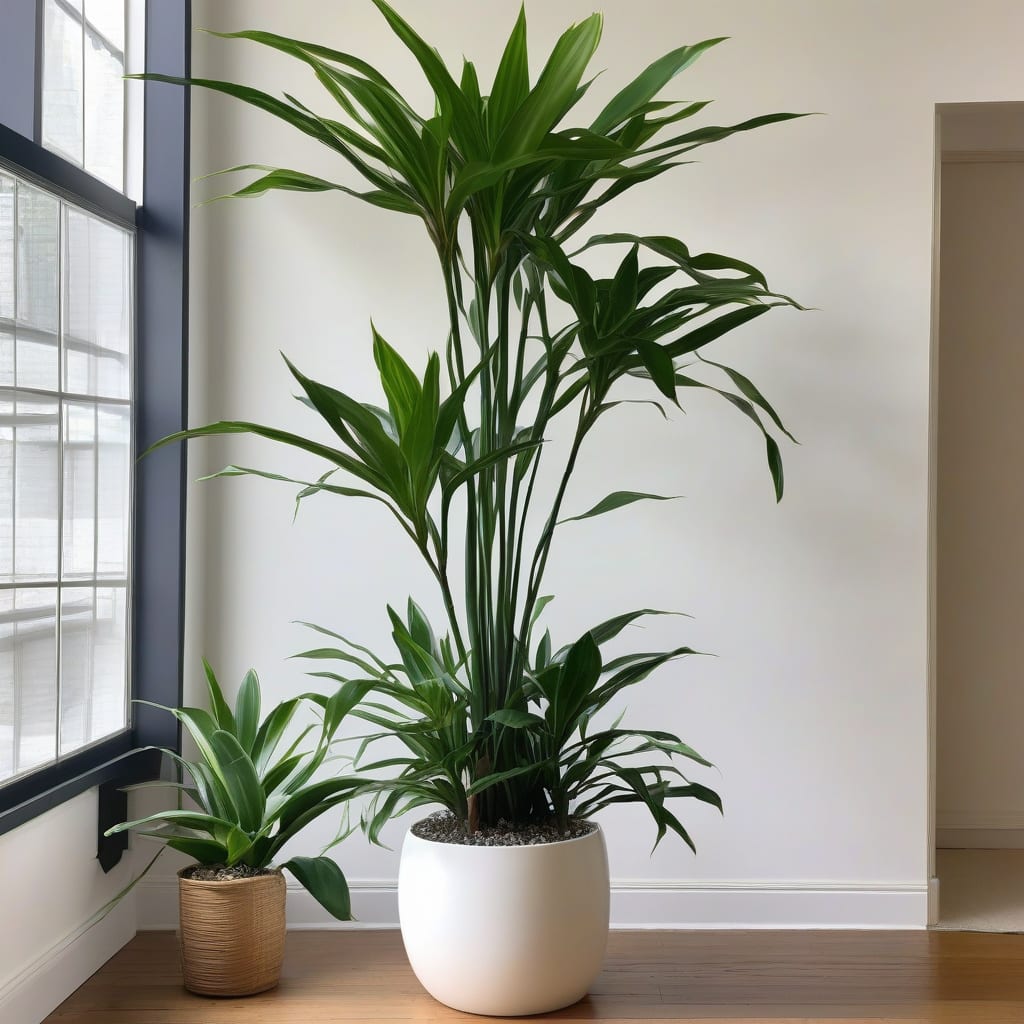
I’ve always been fascinated by bamboo plants 🌿 and their incredible growth potential. Some species can shoot up to 80 feet tall, making them one of the tallest grasses in the world.
Understanding how tall bamboo plants can grow is crucial for gardeners and landscapers. Let’s explore the factors that influence their height and what you can expect from different species.


Bamboo plants are known for their incredible height potential, with some species growing taller than others. The maximum height of bamboo plants varies significantly across different species 🌿.
The height of bamboo plants is influenced by factors such as climate, soil quality, and available sunlight. Understanding these factors is crucial for gardeners looking to cultivate bamboo 🌻.
The maximum height of bamboo plants can range from 6 feet for dwarf varieties to 80 feet for standard bamboo. This wide range makes bamboo suitable for various landscaping needs 📏.
Different species of bamboo have unique growth characteristics. Some species are naturally shorter, while others can grow exceptionally tall 🌱.
For example, the Dendrocalamus giganteus is known for its impressive height, often reaching up to 30 meters. In contrast, smaller varieties like Shibataea kumasasa remain relatively short 🔍.
Understanding the growth patterns of different bamboo species helps gardeners choose the right type for their space. Whether you need a tall screen or a compact border, there’s a bamboo variety to suit your needs 🌼.
When selecting bamboo, consider factors like climate, soil quality, and available sunlight. These elements significantly impact the maximum height your bamboo can achieve. will grow. 🌱
By understanding the growth characteristics of your bamboo,ahin, you can better care for it and ensure it reaches its full potential. Proper care includes providing the right soil conditions, adequate water, and sufficient sunlight 🌞.
Bamboo plants are not only impressive in height but also in their growth rate. Some species can grow several feet in just a few weeks, making them a dynamic addition to any garden 📈.
To maximize the height potential of your bamboo, ensure you provide optimal growing conditions. This includes regular watering, appropriate fertilization, and proper spacing 🌿.
With the right care, bamboo plants can become a stunning focal point in your garden. Their impressive heights and rapid growth make them a favorite among gardeners and landscapers alike 🌟.
Bamboo plant height is influenced by various factors that gardeners should consider. Understanding these elements is crucial for cultivating healthy and thriving bamboo 🌿.
Several key factors affect how tall bamboo plants can grow. These include climate, soil quality, and available sunlight. Each of these elements plays a significant role in determining the maximum height of bamboo plants 🌻.
Bamboo thrives in tropical and subtropical climates. Temperature and rainfall patterns significantly impact growth rates and maximum height 🌟.
Bamboo prefers well-draining, fertile soil rich in organic matter. Poor soil conditions can limit growth potential 🌱.
Adequate sunlight is essential for optimal bamboo growth. Most species require full sun to partial shade 🌞.
The climate plays a significant role in determining bamboo height. Bamboo generally thrives in warm, humid environments with adequate rainfall ☁️.
Soil quality is another critical factor. Bamboo prefers rich, well-draining soil that is high in organic matter. Poor soil can limit the plant’s ability to reach its full height 🌿.
Sunlight exposure also affects bamboo growth. Most bamboo species require full sun to partial shade to grow optimally. Insufficient light can result in weaker, less vigorous plants 🌻.
By understanding and managing these factors, gardeners can help their bamboo plants achieve their maximum height potential. Proper care and attention to these elements will result in healthier, taller bamboo 📈.
Regular maintenance and monitoring of these factors will ensure your bamboo remains healthy and continues to grow. This includes regular watering, fertilization, and pruning as needed 🌟.
With the right conditions and care, bamboo can become a stunning addition to any garden or landscape. Their impressive heights and rapid growth make them a popular choice among gardeners and landscapers alike 🌿.
In conclusion, understanding the factors that affect bamboo plant height is essential for successful cultivation. By providing optimal conditions and proper care, you can help your bamboo reach its full potential and enjoy its many benefits 🌱.
I understand that managing bamboo height is crucial for maintaining a healthy and visually appealing garden. Proper height management prevents overgrowth and ensures your bamboo remains a beautiful addition to your landscape 🌿.
To effectively manage bamboo height, it’s essential to understand the growth patterns of your specific bamboo species. Different species have varying growth rates and maximum heights, which directly impact how you should care for them 🌱.
Regular pruning is key to maintaining your desired bamboo height. Prune annually to remove dead or damaged culms and control overall height 📏.
Pruning techniques vary depending on the bamboo species and desired height. For most gardeners, pruning in early spring before new growth begins is most effective. This allows you to control the height while promoting healthy new growth 🌸.
When pruning, focus on removing the oldest culms first. This not only helps control height but also encourages new shoots to emerge. Use sharp, clean tools to prevent damaging the plant 🔧.
Container gardening is another effective method for managing bamboo height. Growing bamboo in containers naturally restricts root growth, which can help control overall plant height 🌻.
To maintain optimal height, combine regular pruning with proper soil management and fertilization. This holistic approach ensures your bamboo remains healthy while achieving your desired height 🌿.
By implementing these strategies, you can enjoy the beauty of bamboo in your garden without worrying about it becoming too invasive or overwhelming your space 🌱.
Effective bamboo height management requires ongoing care and attention. With the right techniques and regular maintenance, you can keep your bamboo at the perfect height for your garden’s needs 🌼.
