
Beautiful Plants For Your Interior
Beautiful Plants For Your Interior
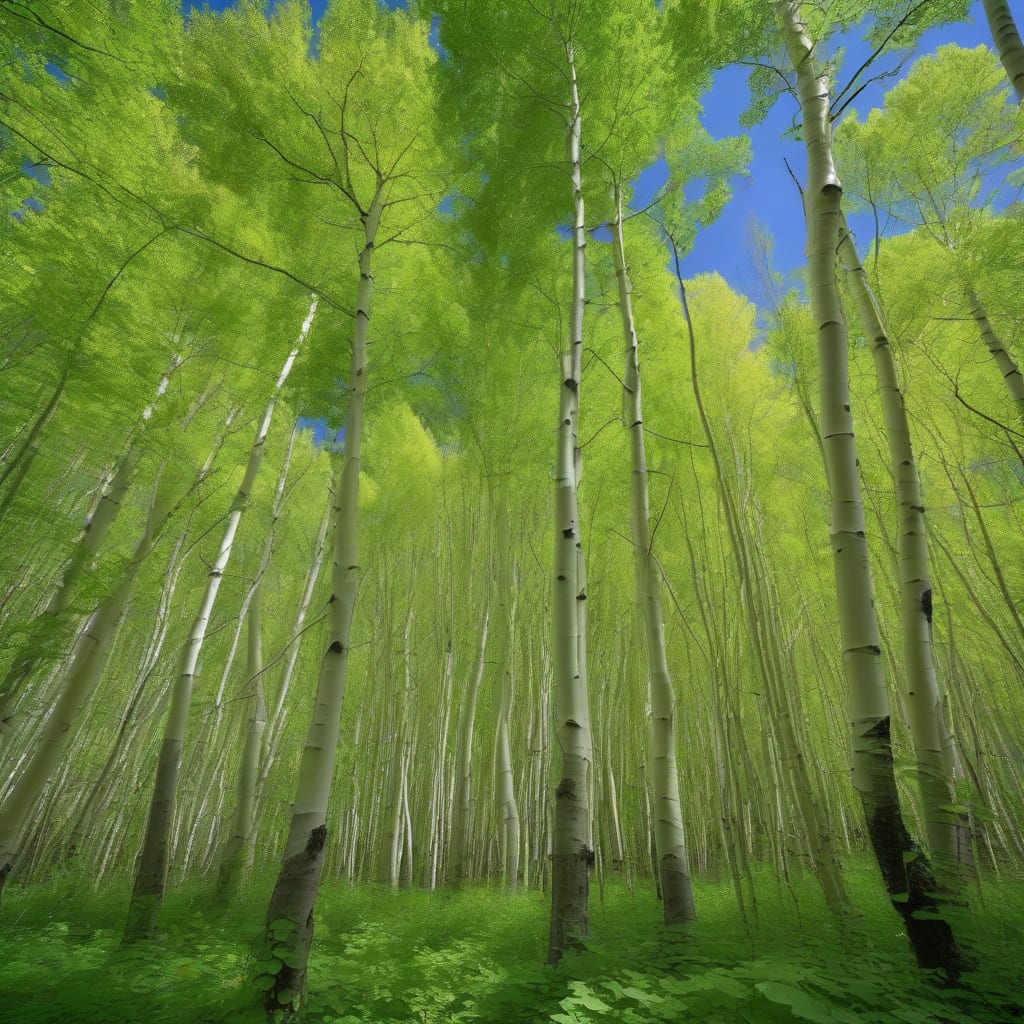
Aspen trees 🌳 are known for their striking white bark and quivering leaves, but have you ever wondered how tall they can actually grow? Understanding their growth potential is crucial for effective landscaping in USDA Zone 6.
Aspens can reach heights of 50-80 feet, making them a significant presence in any landscape. Let’s explore the factors that influence their growth and how to care for them.


Aspen trees are known for their striking white bark and quivering leaves, and they can grow to varying heights depending on several factors. The maximum height potential of aspen trees is an important consideration for landscaping and forestry.
The height of aspen trees can range from 50-80 feet tall, with some species reaching even greater heights under optimal conditions. Understanding the factors that influence their growth is crucial for effective landscaping 🌳.
The growth rate of aspen trees is influenced by factors such as soil quality, climate conditions, and available sunlight. In optimal conditions, aspen trees can grow rapidly, reaching maturity in several decades.
Aspen trees are known for their ability to form large colonies through their root systems, which can lead to the creation of new trees. This process, known as suckering, allows aspen colonies to expand and thrive in suitable environments 🌲.
The height of aspen trees can be influenced by various environmental factors, including soil moisture, nutrient availability, and competition from other vegetation. Understanding these factors is essential for managing aspen stands and promoting healthy growth.
In addition to their natural growth habits, aspen trees can be managed through pruning and other silvicultural practices to achieve desired heights and densities. This can be particularly important in landscaping and forestry applications.
Aspen trees are valued for their ecological and aesthetic benefits, providing habitat for wildlife and contributing to the beauty of natural landscapes. Their growth potential and adaptability make them a popular choice for reforestation and afforestation efforts 🌳.
Overall, the maximum height potential of aspen trees is an important consideration for land managers and landscapers. By understanding the factors that influence their growth, it is possible to promote healthy and sustainable aspen stands.
In conclusion, aspen trees have significant growth potential, reaching heights of 50-80 feet under optimal conditions. Their growth is influenced by a range of factors, including species variation, soil conditions, and climate impact.
Aspen trees are known for their striking white bark and quivering leaves, making them a popular choice for landscaping. However, their height can be influenced by various factors 🌳.
The height of aspen trees can range from 50-80 feet tall, depending on the species and growing conditions. Understanding these factors is crucial for effective landscaping and forestry.
Aspen trees can grow rapidly under optimal conditions, reaching maturity in several decades. Their ability to form large colonies through their root systems allows them to expand and thrive in suitable environments.
The height of aspen trees can be influenced by various environmental factors, including soil moisture, nutrient availability, and competition from other vegetation. Understanding these factors is essential for managing aspen stands and promoting healthy growth 🌳.
In addition to their natural growth habits, aspen trees can be managed through pruning and other silvicultural practices to achieve desired heights and densities. This can be particularly important in landscaping and forestry applications.
Overall, understanding the factors that affect aspen tree height is crucial for effective landscaping and forestry management. By considering these factors, land managers and landscapers can promote healthy and sustainable aspen stands.
In conclusion, aspen tree height is influenced by a range of factors, including spacing, maintenance, and sunlight exposure. By understanding and managing these factors, it is possible to promote healthy growth and achieve desired heights in aspen trees 🌲.
Aspen trees are known for their striking white bark and quivering leaves, making them a popular choice for landscaping. To achieve optimal results, it’s essential to understand how to manage their height effectively 🌳.
Proper management of aspen tree height involves a combination of pruning, growth management, and maintaining healthy trees in various settings. By adopting these strategies, landscapers can promote healthy growth and achieve desired heights.
Prune aspen trees during their dormant season to minimize stress and promote healthy growth. Remove any dead or damaged branches to maintain the tree’s overall health 🌲.
Regular pruning is crucial for maintaining the desired height and shape of aspen trees. It’s also important to monitor their growth and adjust pruning strategies accordingly.
Aspen trees can be managed through various silvicultural practices to achieve desired heights and densities. This includes techniques such as thinning and selective pruning 🌲.
By understanding the growth habits of aspen trees and implementing effective management strategies, landscapers can promote healthy growth and achieve optimal landscaping results 🌳.
In conclusion, managing aspen height requires a combination of proper pruning, growth management, and maintaining healthy trees. By adopting these strategies, landscapers can achieve desired heights and promote healthy growth in aspen trees.
