
Beautiful Plants For Your Interior
Beautiful Plants For Your Interior
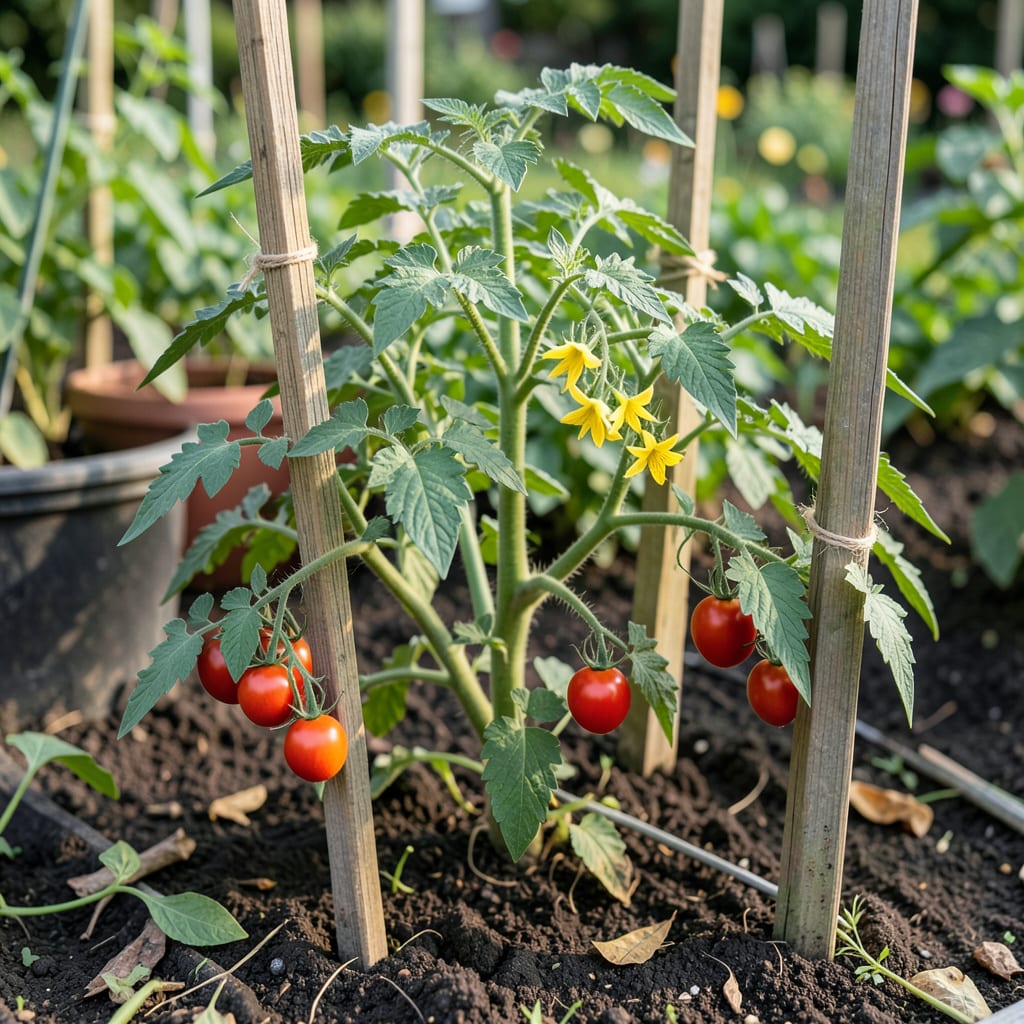
Growing Cherry Tomatoes 🍅 can be a rewarding experience, especially when you understand their growth patterns. These plants can reach varying heights depending on the variety and growing conditions.
In USDA Zone 6, Cherry Tomatoes typically thrive when planted in the spring, between March and May. With proper support, they can grow 3-6 feet tall, producing abundant fruit throughout the summer months.


Cherry tomato plants can grow to varying heights depending on the variety and growing conditions. Understanding these factors is crucial for maximizing yield and planning your garden space effectively.
The height of cherry tomato plants is influenced by several key factors, including the specific cultivar, support systems, and environmental conditions. Determinate varieties tend to grow more compactly, while indeterminate varieties can reach greater heights.
The variety of cherry tomato significantly impacts its growth pattern. Determinate varieties are more bush and more compact, typically growing to 2-3 feet in height. Indeterminate varieties, on the other hand, are more vigorous and can reach heights of 4-6 feet or more when provided with adequate support.
Cherry tomato plants generally require support as they grow to prevent them from sprawling on the ground. Common support methods include staking, caging, and trellising. These support systems not only help manage the plant’s height but also promote better air circulation and reduce the risk of disease.
In terms of growing conditions, cherry tomatoes thrive in full sun and well-draining soil. They require consistent moisture and benefit from regular fertilization. Proper care and support can lead to a bountiful harvest of delicious cherry tomatoes throughout the growing season.
For gardeners in USDA Zone 6, cherry tomatoes are typically planted in the spring, after the last frost date. With the right care, these plants can produce fruit from July through September, providing a long season of fresh, homegrown tomatoes.
By understanding the growth habits and needs of cherry tomato plants, gardeners can make informed decisions about how to best support their plants and maximize their yield.
Cherry tomatoes are a versatile crop that can be grown in a variety of settings, from large gardens to small containers on a balcony or patio. Their relatively compact size and high productivity make them an ideal choice for gardeners of all experience levels.
Whether you’re growing determinate or indeterminate varieties, providing the right support and care will help ensure a successful harvest. With their high yield potential and delicious flavor, cherry tomatoes are a great addition to any garden.
In summary, cherry tomato plants can grow to be quite tall, especially when given the right conditions and support. By understanding their growth patterns and providing appropriate care, gardeners can enjoy a bountiful harvest of these tasty fruits 🌼.
Supporting cherry tomato plants is crucial as they grow tall to maximize space and promote healthy growth. Proper support helps prevent the plants from sprawling on the ground, reducing the risk of disease and making harvesting easier.
There are several effective methods for supporting cherry tomato plants, including staking, caging, and trellising. Each method has its advantages and can be chosen based on the specific needs of your garden and the variety of cherry tomato you’re growing.
Use sturdy stakes at least 6 feet tall to support indeterminate varieties. Tie plants to stakes with soft ties every 6-8 inches as they grow.
Use tomato cages that are at least 4 feet tall. Place the cage around the plant early in the season, ensuring it’s centered and stable.
Install a trellis or fence for the plants to grow up. Train the vines to climb the structure by gently twining them around the support.
When choosing a support method, consider the space available in your garden and the specific needs of your cherry tomato variety. Indeterminate varieties generally require more support than determinate ones.
Regularly check and adjust the support as the plants grow. For staking, this means tying the plants at regular intervals to keep them upright. For caging and trellising, ensure that the plants are growing within the structure and adjust as necessary.
Proper support not only helps in managing the height of cherry tomato plants but also improves air circulation around the plants, reducing the risk of disease. It also makes it easier to harvest the fruit, as the plants are kept off the ground.
By providing the right support, you can enjoy a healthier and more productive cherry tomato harvest. Whether you choose staking, caging, or trellising, the key is to provide consistent support throughout the growing season 🌼.
Maximizing cherry tomato yield requires understanding how to optimize their vertical growth. These plants are naturally inclined to climb and can be trained to grow upwards using various support systems.
For maximum yield, train cherry tomato vines to grow vertically using trellises or cages. This method not only saves space but also improves air circulation and reduces disease risk.
When growing cherry tomatoes vertically, it’s essential to provide the right support. Using sturdy trellises or tomato cages can help keep the plants upright and encourage better fruiting. Regularly tying the plants to their supports as they grow is also crucial.
Pruning is another key technique for maximizing yield. Removing lower leaves and weak growth helps direct the plant’s energy towards fruit production. This practice also improves air circulation, reducing the risk of disease.
For gardeners with limited space, growing cherry tomatoes in containers can be an effective solution. Choose containers that are at least 12 inches deep to provide enough room for root development. Ensure they receive full sun and maintain consistent moisture levels.
By implementing these strategies, gardeners can significantly increase their cherry tomato yield. The combination of vertical growth, proper support, and careful pruning creates ideal conditions for these plants to thrive 🌼.
In summary, maximizing cherry tomato yield involves a combination of vertical growth techniques, proper support, and strategic pruning. By following these tips, gardeners can enjoy a bountiful harvest of delicious cherry tomatoes.
Cherry tomato plants typically grow between 3-6 feet tall, depending on the variety and growing conditions. Determinate varieties tend to be more compact, reaching 2-3 feet, while indeterminate varieties can grow taller, up to 4-6 feet or more with proper support. Proper care and support can help maximize their growth potential.
You can support cherry tomato plants using stakes, cages, or trellises. For indeterminate varieties, use sturdy stakes at least 6 feet tall and tie plants every 6-8 inches. For caging, use cages that are at least 4 feet tall. Regularly check and adjust the support as the plants grow to keep them upright and promote healthy growth.
Yes, cherry tomatoes can thrive in containers! Choose containers that are at least 12 inches deep to provide enough room for root development. Ensure they receive full sun and maintain consistent moisture levels. Container gardening is a great option for gardeners with limited space, and with proper care, you can enjoy a bountiful harvest.
Cherry tomato plants require consistent moisture, especially when fruiting. Water them every 2-3 days, depending on weather conditions. In hot weather, they may need daily watering. Make sure the soil is moist but not waterlogged, as this can lead to disease. Proper watering is key to a healthy and productive harvest.
