
Beautiful Plants For Your Interior
Beautiful Plants For Your Interior
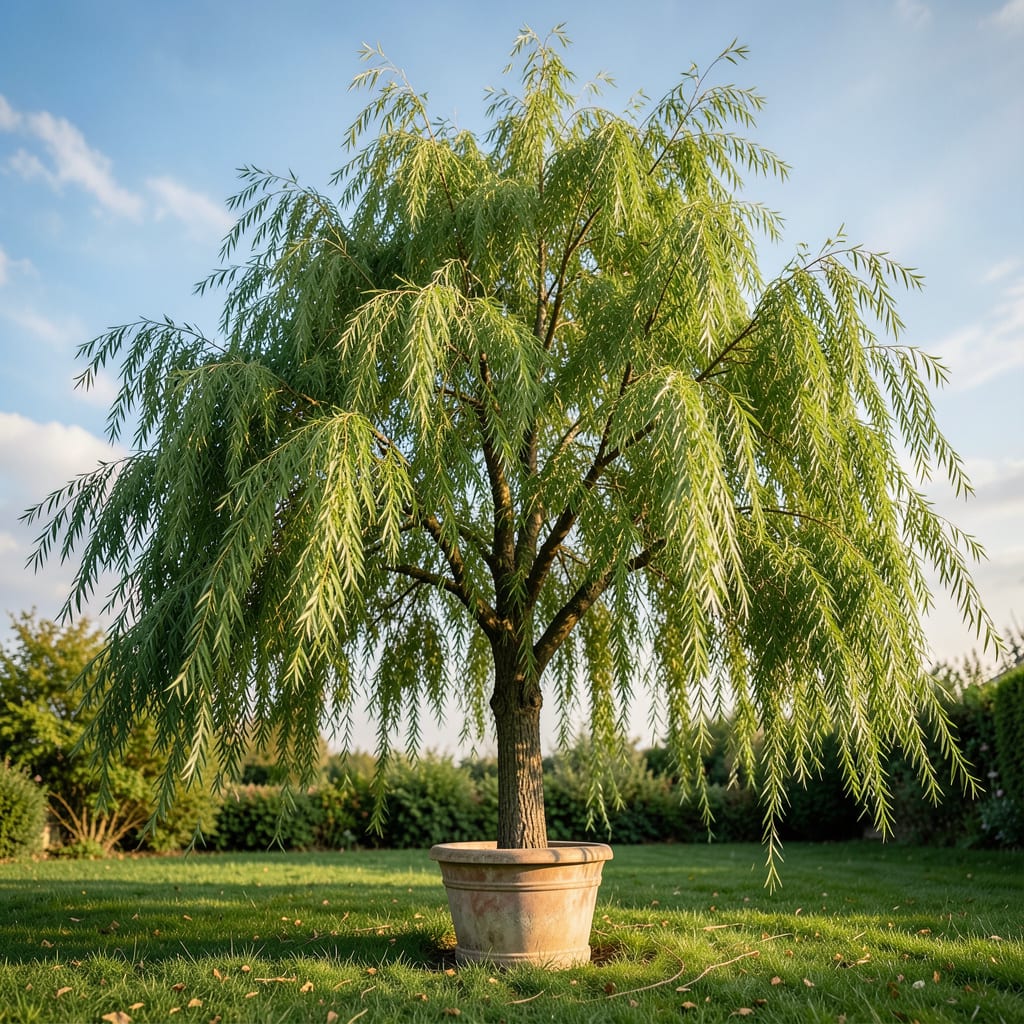
I’ve always been fascinated by the majestic 🌳 Willow Tree, with its sweeping branches and impressive growth potential. Growing up to 80 feet tall, these trees can become a stunning centerpiece in any landscape.
In USDA Zone 6a, Willow Trees thrive in spring, making them a great addition to gardens in regions with moderate climates. Let’s explore what affects their height and how to maintain their beauty.


I’ve found that several key factors influence the height of Willow Trees, including soil conditions, water availability, and sunlight exposure. Understanding these elements helps gardeners create optimal growing conditions 🌳.
The soil quality plays a significant role in determining the height of Willow Trees. They prefer moist, well-drained soil rich in nutrients. Soil pH also affects their growth, with a slightly acidic to neutral pH being ideal 🌱.
Water availability is another crucial factor. Willow Trees love moist soil and can thrive near water sources. However, they can also tolerate some drought once established 🌊.
Sunlight exposure is essential for the healthy growth of Willow Trees. They prefer full sun to partial shade, requiring at least 6 hours of direct sunlight daily ☀️.
Pruning practices significantly impact the height and overall health of Willow Trees. Regular pruning helps maintain their shape and promotes healthy growth ✂️.
The combination of these factors determines the maximum height a Willow Tree can achieve. By optimizing soil conditions, water availability, and sunlight exposure, gardeners can help their Willow Trees reach their full potential 🌳.
It’s also important to note that different Willow Tree varieties have varying growth habits and maximum heights. Understanding the specific needs and characteristics of each variety is crucial for effective landscape planning 📚.
By considering these factors and providing optimal growing conditions, gardeners can enjoy the beauty and benefits of their Willow Trees for years to come 🌟.
Regular maintenance, including pruning and monitoring soil moisture, ensures that Willow Trees remain healthy and thrive 🌿.
In conclusion, the height of Willow Trees is influenced by a combination of factors, including soil conditions, water availability, sunlight exposure, and pruning practices. By understanding and managing these factors, gardeners can help their Willow Trees reach their maximum height and maintain their beauty 🌳.
I’ve found that different Willow Tree varieties can grow to varying heights, making it essential to understand their specific growth patterns. The weeping willow, for example, is known for its impressive height and graceful branches 🌳.
When comparing Willow Tree varieties, it’s clear that their maximum heights differ significantly. Let’s explore some of the most common types and their growth characteristics 🌲.
The weeping willow is one of the most recognizable Willow Tree varieties, with a maximum height ranging from 30 to 50 feet. Its growth rate is considered fast, making it a popular choice for landscapes where a dramatic impact is desired 🌟.
In contrast, the black willow typically grows to be 40 to 60 feet tall, with a medium growth rate. This variety is often used in wetland restoration projects due to its tolerance for wet soils 🌿.
The white willow is another common variety, known for its impressive height of 50 to 80 feet and fast growth rate. It’s often used as an ornamental tree in large landscapes 🌳.
Understanding the maximum height of different Willow Tree varieties is crucial for effective landscape planning. By choosing the right variety for your space, you can ensure that your trees thrive and reach their full potential 📚.
When selecting a Willow Tree, consider factors such as soil conditions, water availability, and sunlight exposure to ensure optimal growth 🌟.
I recommend regular pruning to manage the height of Willow Trees effectively. Pruning not only controls the tree’s height but also promotes healthy growth and maintains its aesthetic appeal ✂️.
When pruning Willow Trees, it’s essential to understand the best practices to avoid damaging the tree. Proper pruning techniques ensure that the tree remains healthy and continues to thrive 🌳.
Remove dead, diseased, or damaged branches to promote healthy growth and prevent disease spread 🌿.
Thin out the canopy to allow more sunlight to reach inner branches, promoting even growth ☀️.
Cut back the tallest branches to control the tree’s height, making clean cuts just above a growth node ✂️.
Pruning frequency depends on the tree’s growth rate and desired height. For most Willow Trees, annual pruning is sufficient to maintain their shape and promote healthy growth 📆.
It’s also important to use the right pruning tools to avoid damaging the tree. Sharp, clean tools make precise cuts that heal quickly, reducing the risk of disease 🔧.
By following these pruning steps, you can effectively manage the height of your Willow Tree while maintaining its health and beauty 🌟.
Regular pruning not only controls the tree’s height but also enhances its overall appearance, making it a stunning addition to any landscape 🌳.
In conclusion, managing Willow Tree height through pruning is a straightforward process that requires understanding the tree’s growth patterns and using proper pruning techniques ✂️.
Mature willow trees typically grow between 30 to 80 feet tall, depending on the variety and growing conditions. Some species, like the white willow, can reach heights of up to 80 feet. Proper care and optimal conditions can help them reach their maximum potential .
Willow trees are known for their fast growth rate, with some varieties growing up to 3-5 feet per year. Factors like soil quality, water availability, and sunlight exposure can influence their growth rate. Regular pruning can also help control their height while promoting healthy growth .
Yes, regular pruning is an effective way to manage the height of willow trees. By pruning annually, you can control their height, promote healthy growth, and maintain their aesthetic appeal. Proper pruning techniques, such as cutting back the tallest branches and thinning out the canopy, can help achieve the desired height .
The weeping willow typically grows to be 30-50 feet tall, while other varieties like the black willow and white willow can reach heights of 40-60 feet and 50-80 feet, respectively. Understanding the specific growth patterns of each variety is crucial for effective landscape planning .
