
Beautiful Plants For Your Interior
Beautiful Plants For Your Interior
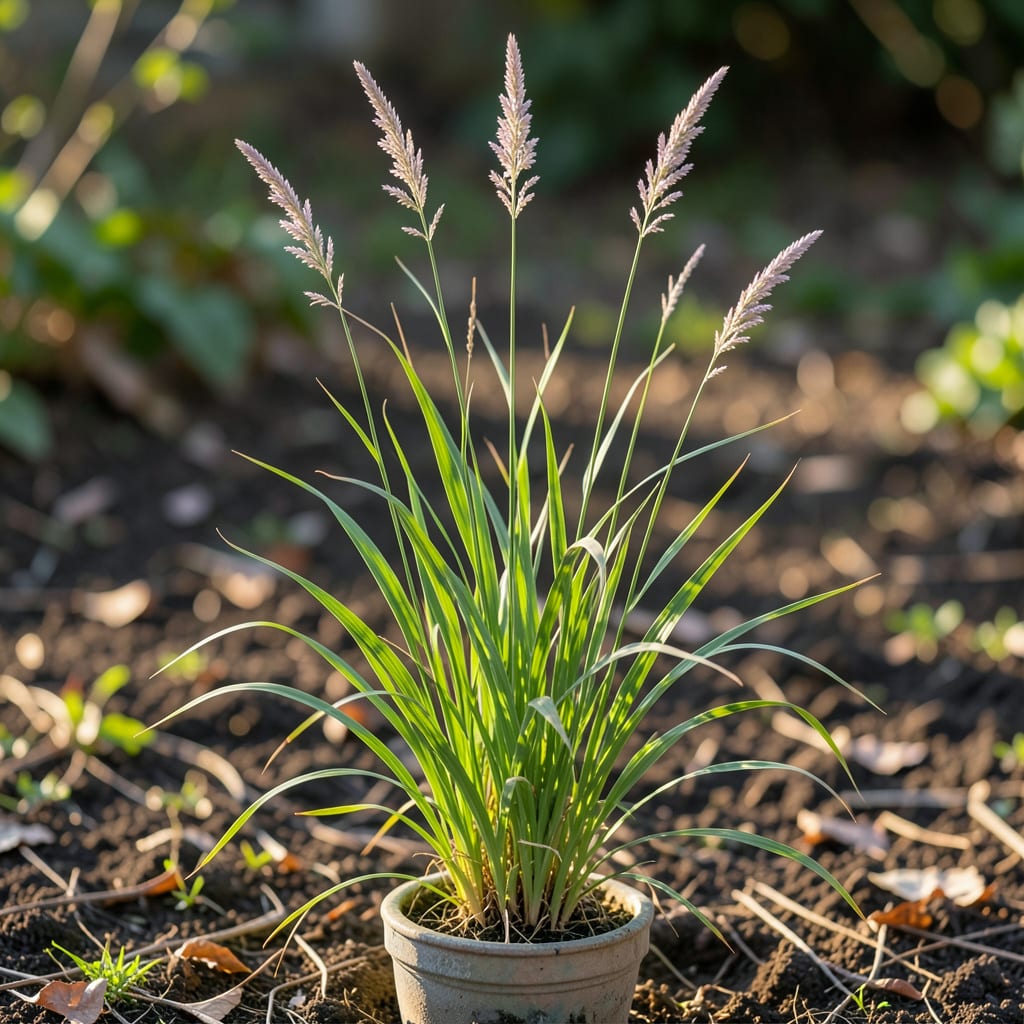
I’ve always been fascinated by the resilience of Wild Grass 🌾, which can grow up to 6 feet tall in ideal conditions. Its ability to thrive in various environments makes it both beautiful and challenging to manage.
Understanding the factors that influence its height is crucial for effective garden management. Let’s explore what makes Wild Grass grow so tall and how you can control its growth in your garden or lawn.


I’ve found that several key factors influence the height of wild grass, including soil quality, climate conditions, and sunlight exposure. Understanding these elements is crucial for managing wild grass effectively in your garden or lawn 🌾.
The quality of the soil plays a significant role in determining how tall wild grass can grow. Nutrient-rich soil with good drainage can support healthier and taller grass, while poor soil conditions may limit growth. Additionally, the type of wild grass species also affects its maximum height, as different species have varying growth potentials.
Climate conditions, including temperature and rainfall patterns, also significantly impact the growth of wild grass. Areas with ample rainfall and moderate temperatures tend to support more vigorous growth, while drought or extremes of temperature can slow it down.
Sunlight exposure is another critical factor, as more sunlight generally leads to taller and healthier grass. The intensity and duration of sunlight directly influence photosynthesis, which is essential for grass growth. In areas with full sun, wild grass can reach its maximum potential height 🌟.
Different species of wild grass also exhibit varying growth habits and maximum heights. Some species are naturally taller and more vigorous, while others may remain shorter and more compact. Recognizing the specific species present in your area can help you better manage its growth 🌱.
In addition to these factors, soil moisture levels and maintenance practices can also influence the height of wild grass. Regular mowing and appropriate watering can help control its growth, while neglecting these practices may lead to unchecked expansion 🌿.
By understanding these factors, you can develop effective strategies for managing wild grass in your garden or lawn. Whether you aim to encourage its growth or control its height, knowing the influences on wild grass height is the first step towards achieving your goals 🌻.
Effective management of wild grass requires a comprehensive approach that considers all these influencing factors. By addressing soil quality, climate conditions, and sunlight exposure, you can better control the height and health of wild grass in your outdoor spaces 🌾.
For more detailed information on managing wild grass, including practical tips and maintenance strategies, continue reading the next sections of this guide 📚.
Understanding the maximum heights of common wild grass species can further aid in effective management. The next section will explore the specific growth patterns and maximum recorded heights for various wild grass types found in different regions 🌿.
I’ve observed that different species of wild grass exhibit varying growth patterns and maximum heights. Understanding these differences is essential for effective management in your garden or lawn 🌿.
Some common species of wild grass can grow to impressive heights, while others remain relatively short. For example, tall fescue can reach heights of up to 3 feet, while big bluestem can grow even taller, reaching heights of 6 feet or more 🌾.
Recognizing the specific species of wild grass in your area is crucial for understanding its growth potential. By identifying the type of wild grass you’re dealing with, you can better anticipate its maximum height and plan your management strategies accordingly 🌱.
The maximum height of wild grass is not just determined by the species itself but also by environmental factors. Soil quality, climate conditions, and sunlight exposure all play significant roles in how tall wild grass can grow 🌻.
For instance, wild grass growing in nutrient-rich soil with adequate moisture and full sun is likely to reach its maximum potential height. Conversely, grass growing in poor soil or under drought conditions may not achieve its full growth potential 🌟.
Understanding these factors and how they interact with different species of wild grass can help you develop more effective strategies for managing its growth. Whether you’re looking to encourage the growth of wild grass or control its height, this knowledge is invaluable 🌿.
By combining this information with practical management techniques, you can achieve your desired outcomes for your garden or lawn. The next section will provide tips on managing wild grass growth in different environments 📚.
I understand that managing wild grass growth can be challenging, especially when dealing with different environmental conditions. Effective management requires a combination of understanding the grass’s growth patterns and implementing appropriate control measures 🌿.
One of the key strategies for managing wild grass is through regular mowing. Maintaining your lawn at the recommended height can help prevent wild grass from overtaking your garden or yard. For most cool-season grasses, a mowing height of 2.5 to 3 inches is ideal, while warm-season grasses can be mowed to 1 to 2 inches 🔄.
For optimal results, mow your lawn when the grass is dry to prevent clumping and ensure an even cut. Using a sharp mower blade is also crucial for a clean cut that promotes healthy grass growth 🌱.
In addition to mowing, creating natural barriers can help control the spread of wild grass. Installing physical barriers such as edging or using mulch around garden beds can prevent wild grass from encroaching on other areas of your garden 🌻.
Maintenance practices also play a significant role in managing wild grass growth. Regularly checking for and removing weeds, ensuring proper drainage, and maintaining soil health through appropriate fertilization can all contribute to a more balanced ecosystem that is less conducive to unchecked wild grass growth 🌾.
By combining these strategies, you can effectively manage wild grass in various environments. Whether you’re dealing with a small garden or a larger lawn, understanding and implementing these practices will help you maintain control over wild grass growth and achieve your landscaping goals 📚.
For more detailed guidance on managing wild grass and other lawn care tips, be sure to explore additional resources and expert advice. Effective lawn management is an ongoing process that requires attention to detail and a proactive approach 🌟.
By staying informed and adapting your strategies as needed, you can enjoy a beautiful and well-maintained outdoor space that meets your needs and enhances your property’s value 🏠.
Wild grass can grow to varying heights depending on the species and environmental conditions. Some species, like big bluestem, can reach heights of 6 feet or more, while others may remain shorter, around 2-3 feet tall. The maximum height is influenced by factors such as soil quality, climate, and sunlight exposure .
Regular mowing is an effective way to manage wild grass height. Maintaining your lawn at the recommended height can help prevent wild grass from overtaking your garden. For most cool-season grasses, a mowing height of 2.5 to 3 inches is ideal. Additionally, creating natural barriers and maintaining soil health through proper fertilization can help control wild grass growth .
Yes, soil quality plays a significant role in determining how tall wild grass can grow. Nutrient-rich soil with good drainage can support healthier and taller grass, while poor soil conditions may limit growth. Ensuring your soil has the right balance of nutrients can help promote healthy growth .
Absolutely! Sunlight exposure is crucial for wild grass growth. More sunlight generally leads to taller and healthier grass because it directly influences photosynthesis. In areas with full sun, wild grass can reach its maximum potential height .
