
Beautiful Plants For Your Interior
Beautiful Plants For Your Interior
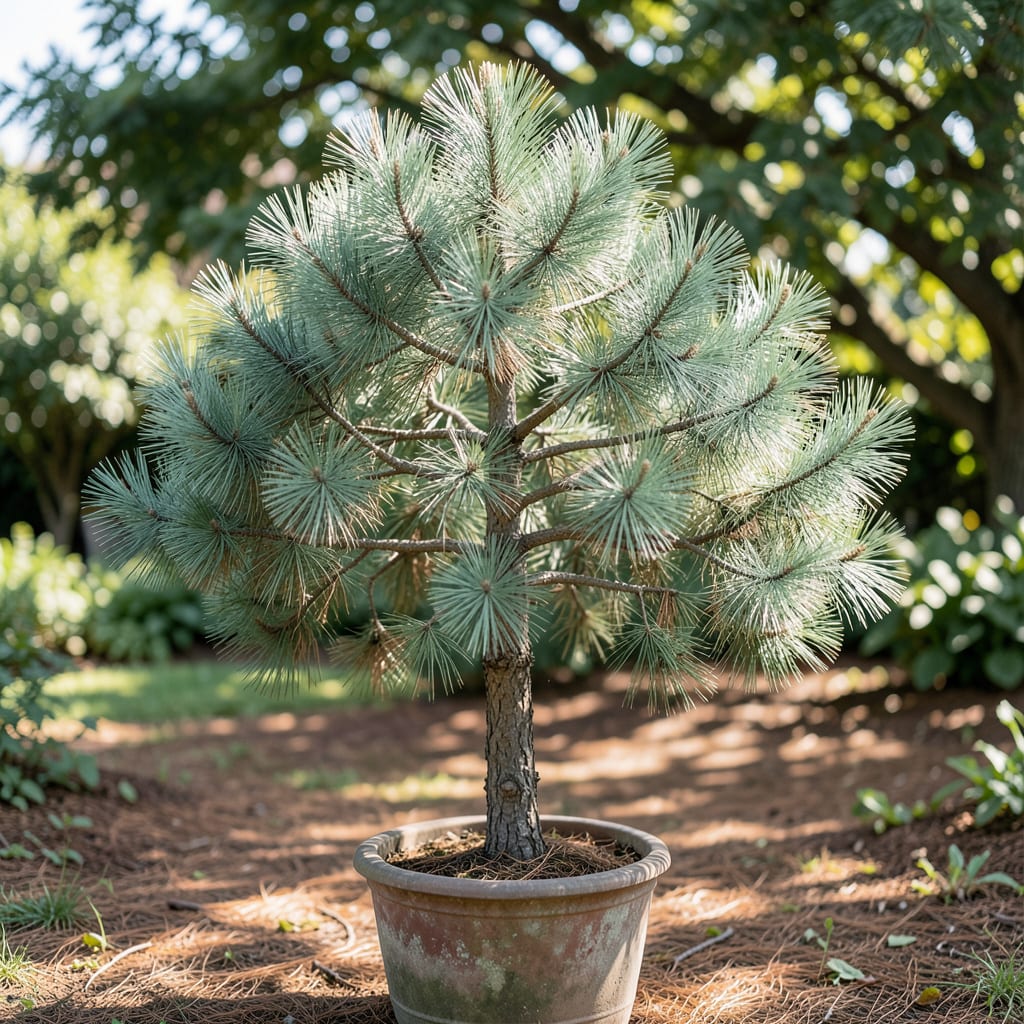
White pine trees 🌲 are known for their impressive height and majestic presence in landscapes. Their towering presence can be a stunning addition to any yard, but have you ever wondered just how tall they can grow?
These magnificent trees can reach heights of 50 to 150 feet, making them a dramatic feature in any landscape. Let’s explore the factors that influence their growth and how to care for them.

White pine trees are known for their impressive height and majestic presence in landscapes. Their towering presence can be a stunning addition to any yard, but have you ever wondered just how tall they can grow? 🌲
These magnificent trees can reach heights of 50 to 150 feet, making them a dramatic feature in any landscape. The maximum height potential of white pines is influenced by various factors, including species variations and environmental conditions.
The height of white pines can vary significantly based on the specific species. For example, the Eastern White Pine is known to grow up to 150 feet tall, while other species may have more modest growth patterns.
Environmental conditions play a crucial role in determining the maximum height of white pines. Factors such as soil quality, climate, and available sunlight can all impact the growth potential of these trees.
In optimal conditions, with full sun and well-drained soil, white pines can achieve their maximum height potential. Trees in their natural habitat, often found in cold, moist climates, tend to grow taller than those in less favorable environments.
Understanding the factors that influence the height of white pines is essential for gardeners and landscapers who wish to cultivate these impressive trees. Proper care and maintenance can help ensure that white pines reach their full growth potential.
White pines are not only valued for their height but also for their ornamental value and ecological benefits. They provide habitat for various wildlife and contribute to the aesthetic appeal of landscapes.
By selecting the right species and providing appropriate care, you can enjoy the majesty of white pines in your own landscape. Whether you’re looking to create a natural screen or simply appreciate their beauty, white pines are an excellent choice 🌿.
In conclusion, white pines are capable of reaching remarkable heights, making them a standout feature in any landscape. With the right conditions and care, these trees can thrive and provide beauty and ecological benefits for years to come 🌟.
The height of white pine trees is influenced by multiple factors that gardeners and landscapers should consider when cultivating these magnificent trees 🌲.
Several key elements play a crucial role in determining how tall white pines can grow, including soil quality, climate conditions, and maintenance practices.
Understanding these factors is essential for maximizing the growth potential of white pines. By providing optimal conditions and proper care, you can help these trees reach their full height potential 🌿.
The Eastern White Pine is a popular species known for its impressive height, often growing up to 150 feet tall in ideal conditions.
Other species may have more modest growth patterns, typically reaching heights between 50 to 100 feet, depending on the specific variety and growing conditions.
Regular maintenance, including pruning dead branches and fertilizing as needed, can help promote healthy growth and maximize the height potential of white pines 🌟.
In conclusion, by understanding and addressing the factors that affect white pine growth height, gardeners and landscapers can cultivate these trees to their full potential, enjoying their majesty and ecological benefits for years to come.
White pine trees exhibit varying heights depending on their species and geographical location 🌲.
Different species of white pines have unique growth characteristics that influence their maximum height potential.
The Eastern White Pine is known for its impressive height, often growing up to 150 feet tall in ideal conditions.
Other species, such as the Western White Pine, can also reach significant heights, typically between 100 to 150 feet.
In contrast, some species like the Japanese White Pine have more modest growth patterns, usually reaching heights between 50 to 80 feet 🌟.
Geographical location plays a significant role in determining the height of white pines, with trees in their natural habitat often growing taller than those in less favorable environments 🌿.
Understanding these variations is crucial for gardeners and landscapers who wish to cultivate white pines effectively.
By selecting the appropriate species for your location and providing proper care, you can enjoy the beauty and ecological benefits of these trees for years to come 🌲.
White pine trees typically grow to be around 100 feet tall at maturity, though this can vary depending on the specific species and growing conditions. Some species, like the Eastern White Pine, can reach heights of up to 150 feet. Proper care and maintenance can help ensure they reach their full height potential.
The time it takes for a white pine to reach its maximum height varies depending on factors such as soil quality, climate, and maintenance practices. Generally, white pines can take 50 to 100 years or more to reach their full height. Regular pruning and fertilization can help promote healthy growth.
While white pines can tolerate some poor soil conditions, they thrive best in well-drained soil with adequate nutrients. Soil quality plays a significant role in determining the maximum height potential of white pines. Amending poor soil with organic matter can help improve growth.
Climate conditions, particularly cold, moist climates, typically promote taller growth in white pines. Trees in their natural habitat tend to grow taller than those in less favorable environments. Understanding the climate requirements of white pines is essential for maximizing their growth potential.
