
Beautiful Plants For Your Interior
Beautiful Plants For Your Interior
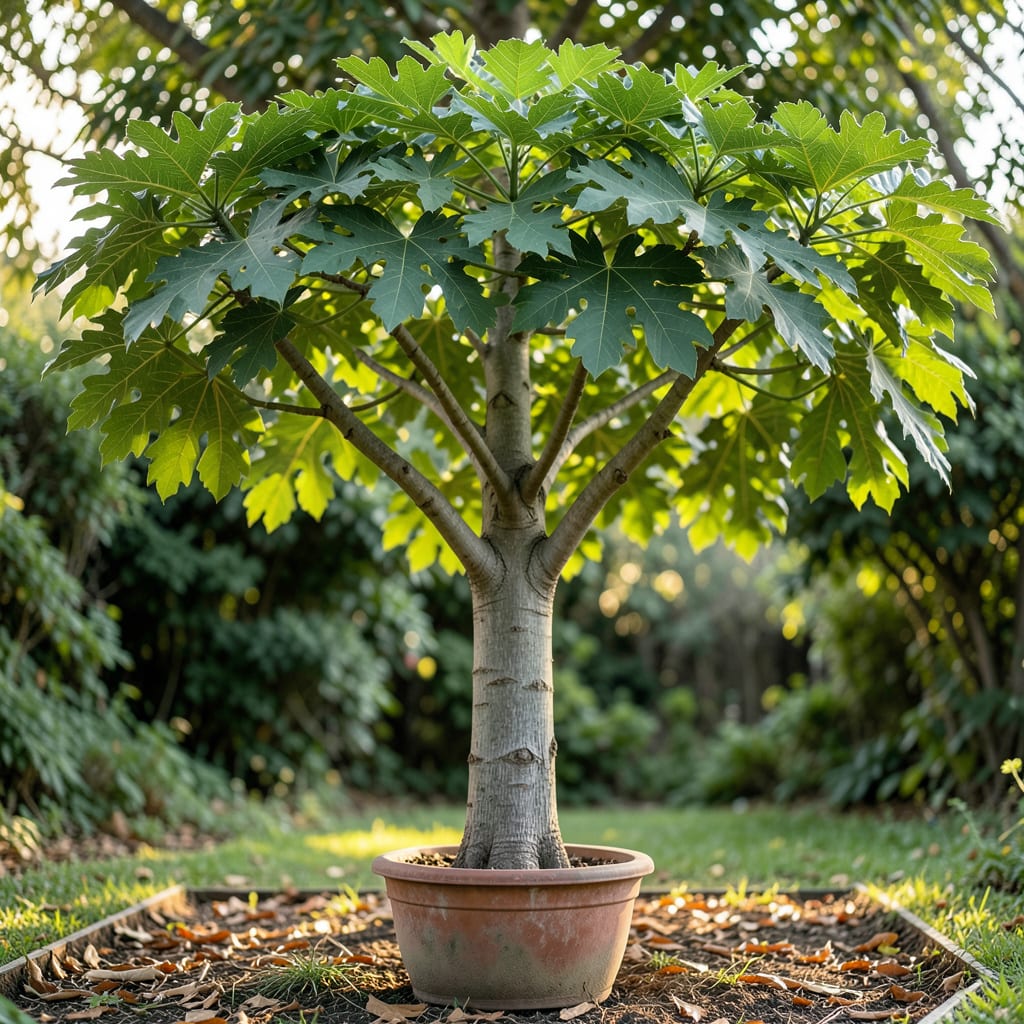
Rainforests are home to some of the tallest trees on Earth, with certain species reaching extraordinary heights that challenge our understanding of tree growth limits. The Rainforest Tree 🌳 is a prime example, capable of growing to remarkable heights in the right conditions.
Let’s explore the factors that influence tree height in these ecosystems and discover just how tall these natural giants can grow in General regions, particularly in USDA Zone 6. We’ll examine the secrets behind their impressive stature.


Rainforests are remarkable ecosystems that support some of the tallest trees on Earth. The height of these trees is influenced by a combination of environmental factors and biological characteristics. Understanding these factors is crucial for appreciating the extraordinary growth of trees in rainforest environments 🌳.
The primary factors that influence tree height in rainforests include climate, soil quality, and competition for resources. Rainforests typically have a warm, humid climate with ample rainfall, which promotes vigorous tree growth. The rich soil in these ecosystems provides essential nutrients that support the development of tall trees.
In addition to these factors, the biological characteristics of tree species play a significant role in determining their height. Some species are naturally more inclined to grow taller than others due to their genetic makeup and adaptability to the rainforest environment.
The rainforest canopy is another critical factor, as it creates a competitive environment where trees must grow tall to reach sunlight. This competition for light is a key driver of the exceptional heights achieved by rainforest trees.
Understanding these factors provides insight into how trees in rainforests can grow to such remarkable heights. The combination of favorable climate conditions, nutrient-rich soil, and intense competition creates an environment where trees can thrive and reach extraordinary stature 🌲.
Further exploration of these factors will help us appreciate the complexity and resilience of rainforest ecosystems. By examining the various elements that contribute to tree height, we can gain a deeper understanding of these incredible natural wonders.
The height of trees in rainforests is a testament to the adaptability and resilience of these ecosystems. As we continue to explore and understand these factors, we can better appreciate the beauty and importance of rainforests 🌳.
By recognizing the factors that influence tree height, we can also better conserve and manage these precious ecosystems. This knowledge is essential for maintaining the health and integrity of rainforests for future generations.
In conclusion, the height of trees in rainforests is influenced by a complex interplay of environmental and biological factors. By understanding these factors, we can gain a deeper appreciation for the remarkable diversity and resilience of rainforest ecosystems 🌲.
As we continue to explore and learn about rainforests, we can develop new strategies for conservation and sustainable management. This will help ensure the long-term health and vitality of these incredible ecosystems.
Rainforests are home to some of the tallest trees on Earth, with certain species reaching extraordinary heights that challenge our understanding of tree growth limits. The tallest trees in rainforests can be found in various regions around the world, including the Amazon and Southeast Asia 🌳.
These exceptional trees have adapted to their environments in remarkable ways, allowing them to achieve heights that are rarely seen elsewhere. Let’s explore some of the most notable examples of tall trees found in rainforests worldwide, including their species and measured heights 🌲.
Found in tropical rainforests, this tree can grow up to 100 feet tall, with some specimens reaching even greater heights.
Native to rainforests in Central and South America, the Kapok Tree can reach heights of up to 200 feet, making it one of the tallest trees in the rainforest 🌟.
Found in Southeast Asian rainforests, this tree is known for its impressive height, reaching up to 150 feet or more in ideal conditions.
These trees are not only remarkable for their height but also for their role in the rainforest ecosystem. They provide habitat for various species, contribute to the structural complexity of the forest, and play a crucial part in the global carbon cycle 🌿.
The height of these trees is a testament to the diversity and resilience of rainforest ecosystems. By studying these exceptional trees, we can gain insights into the factors that influence tree growth and the importance of preserving these ecosystems 🌳.
Understanding the characteristics of these tall trees can also inform conservation efforts and sustainable forestry practices. By recognizing the value of these trees, we can work towards protecting and maintaining the health of rainforests for future generations 🌲.
In conclusion, the record-breaking heights achieved by trees in rainforests are a remarkable aspect of these ecosystems. By exploring the examples of tall trees and the factors that contribute to their height, we can deepen our appreciation for the complexity and beauty of rainforests 🌟.
Rainforest tree heights can vary significantly across different regions due to factors such as climate, soil quality, and species composition. Understanding these variations is essential for appreciating the diversity of rainforest ecosystems 🌳.
Let’s compare the maximum tree heights found in different rainforest regions, including the Amazon and Southeast Asia, to gain insights into the factors that influence tree growth 🌲.
The comparison of tree heights across different rainforest regions reveals significant variations, with the Amazon Rainforest hosting some of the tallest trees 🌟.
These differences are influenced by factors such as climate conditions, soil fertility, and species-specific characteristics. By examining these factors, we can gain a deeper understanding of the complex interactions that shape rainforest ecosystems 🌿.
Understanding regional variations in tree height can also inform conservation strategies and sustainable forestry practices. By recognizing the unique characteristics of different rainforest regions, we can develop more effective approaches to preserving these ecosystems 🌲.
In conclusion, comparing rainforest tree heights across different regions provides valuable insights into the diversity and complexity of these ecosystems 🌳.
By continuing to explore and understand these variations, we can work towards better conservation and management of rainforests worldwide 🌟.
The Kapok Tree is known to reach heights of up to 200 feet, making it one of the tallest trees in rainforests. Other species like the Strangler Fig and Yellow Meranti can also grow to impressive heights. These trees have adapted to the rainforest environment in remarkable ways .
Rainforest trees achieve great heights due to a combination of favorable climate conditions, nutrient-rich soil, and intense competition for light. The rainforest canopy creates a competitive environment where trees must grow tall to reach sunlight, driving them to achieve exceptional heights .
Yes, tree heights can vary significantly across different rainforest regions. For example, the Amazon Rainforest is home to trees that can reach up to 200 feet, while Southeast Asian rainforests typically have maximum heights of around 150 feet. These variations are influenced by factors like climate, soil quality, and species composition .
Rainforest trees are crucial for maintaining the health of these ecosystems. They provide habitat for various species, contribute to the structural complexity of the forest, and play a key role in the global carbon cycle. Their height and density support a rich biodiversity that is essential for the planet’s ecological balance .
