
Beautiful Plants For Your Interior
Beautiful Plants For Your Interior
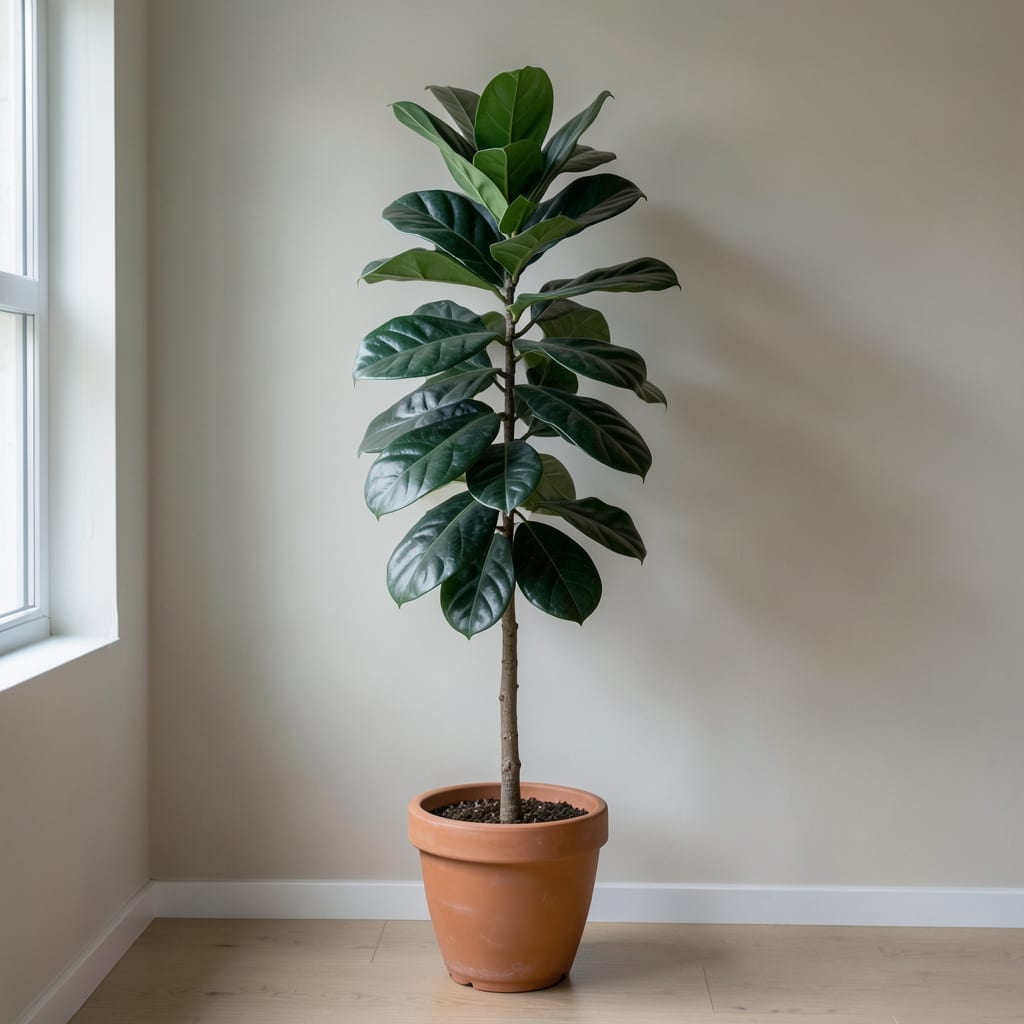
Rubber trees 🌳 can grow to impressive heights, transforming any space with their presence. In ideal conditions, they can reach heights of 100 feet or more, making them a striking addition to gardens or indoor areas.
Understanding their growth potential is key to providing the right care. Let’s explore the factors that influence their height and how to manage their growth effectively.


Rubber trees are known for their impressive height potential. In their native habitat, they can grow up to 100 feet tall, making them a striking presence in any landscape 🌳.
The maximum height of rubber trees is influenced by various factors including genetics, environmental conditions, and care practices. Understanding these factors is crucial for gardeners and enthusiasts who want to cultivate these trees 🌟.
Rubber trees thrive in tropical environments with ample sunlight, water, and nutrients. Their growth is significantly influenced by the quality of care they receive, including regular watering, fertilization, and protection from pests and diseases 🌱.
When grown in their native habitats of South America and Southeast Asia, rubber trees can reach their maximum height potential due to the favorable climate and soil conditions. In cultivation, especially in non-native environments, their height may be limited by factors such as container size, pruning practices, and local climate conditions 🌟.
The growth rate of rubber trees is another important consideration. Young trees can grow 3-5 feet per year, making them relatively fast-growing compared to other tree species 🌲.
Environmental factors such as temperature, humidity, and soil quality play a significant role in determining the height of rubber trees. They prefer warm temperatures, high humidity, and well-draining soil 🌿.
In addition to environmental factors, care practices such as pruning and training can also impact the height of rubber trees. Regular pruning can help maintain a desired height and promote a healthy, bushy shape 🌸.
Rubber trees are not only valued for their height but also for their latex production. The trees are tapped for their latex, which is used to produce natural rubber 🌟.
The maximum recorded height of rubber trees is a topic of interest among botanists and horticulturists. While average heights are typically reported, exceptional specimens can exceed 100 feet 🔝.
In conclusion, the height potential of rubber trees is influenced by a combination of genetic, environmental, and care-related factors. By understanding and managing these factors, growers can cultivate healthy, impressive rubber trees 🌳.
For those interested in growing rubber trees, it’s essential to provide the right conditions and care to support their growth and maximize their height potential 🌱.
Rubber trees’ height growth is influenced by multiple factors that gardeners need to understand for optimal cultivation. The environmental conditions play a crucial role in determining how tall these trees can grow 🌳.
Light exposure is one of the primary factors affecting rubber tree height. These trees thrive in full sun conditions, requiring at least 6 hours of direct sunlight daily. Inadequate light can lead to leggy growth as the tree stretches towards available light sources 🔆.
Rubber trees prefer warm temperatures between 65-75°F (18-24°C). Temperatures below 55°F (13°C) can slow growth significantly ❄️.
Consistent moisture is crucial, especially during the growing season. Rubber trees prefer weekly watering with deep soaking 💧.
Well-draining soil with adequate nutrients supports healthy growth. Regular fertilization during the growing season promotes vigorous development 🌿.
The genetic makeup of rubber trees also influences their height potential. Some cultivars are naturally more compact, while others are bred for taller growth 🔝.
Pruning practices significantly impact rubber tree height. Regular pruning can maintain a desired height and encourage a full, bushy shape. Pruning should be done during the dormant season to minimize stress on the tree ✂️.
Understanding these factors helps gardeners create optimal conditions for their rubber trees to reach their full height potential 🌟.
By controlling these factors, growers can influence the height of their rubber trees effectively. Proper care and attention to these factors will result in healthy, thriving trees 🌳.
Rubber trees are remarkable for their ability to adapt to different environments. With the right care, they can grow into impressive specimens that enhance any landscape 🌲.
Rubber trees can grow quite tall, reaching heights of up to 100 feet in ideal conditions. Managing their height is crucial for maintaining a healthy and aesthetically pleasing tree 🌳.
One effective method for controlling rubber tree height is through pruning. Regular pruning helps maintain a desired height and promotes a full, bushy shape. Pruning should be done during the dormant season to minimize stress on the tree ✂️.
Prune your rubber tree regularly to maintain its shape and promote healthy growth. Remove any dead or damaged branches to prevent disease 🔥.
Container growing is another strategy for managing rubber tree height. Growing rubber trees in containers can help control their size by limiting root growth 🌿.
Root pruning is a technique used to control the size of rubber trees grown in containers. By periodically pruning the roots, you can prevent the tree from becoming too large 🌱.
Training young rubber trees through techniques like staking or topping can also influence their height and shape. These methods help create a more balanced and manageable tree 🌲.
Rubber trees are versatile and can thrive in various environments. With proper care and management, they can be a beautiful addition to any garden or indoor space 🌸.
By understanding and implementing these height management techniques, you can enjoy the benefits of growing rubber trees while keeping their size under control 🌟.
Rubber trees typically grow to around 60 feet tall when mature, though this can vary based on growing conditions. In ideal environments, they can reach heights of up to 100 feet. Proper care and maintenance play a significant role in determining their final height .
Rubber trees are relatively fast-growing, especially when young. They can grow 3-5 feet per year under optimal conditions. This rapid growth rate makes them popular for both commercial cultivation and ornamental purposes .
Yes, you can manage the height of your rubber tree through regular pruning and training. Pruning during the dormant season helps maintain a desired height and promotes a healthy, bushy shape. Container growing is another effective method to control their size .
Rubber trees thrive in tropical environments with plenty of sunlight, water, and nutrients. They prefer warm temperatures, high humidity, and well-draining soil. Providing these ideal conditions helps them reach their full height potential .
