
Beautiful Plants For Your Interior
Beautiful Plants For Your Interior
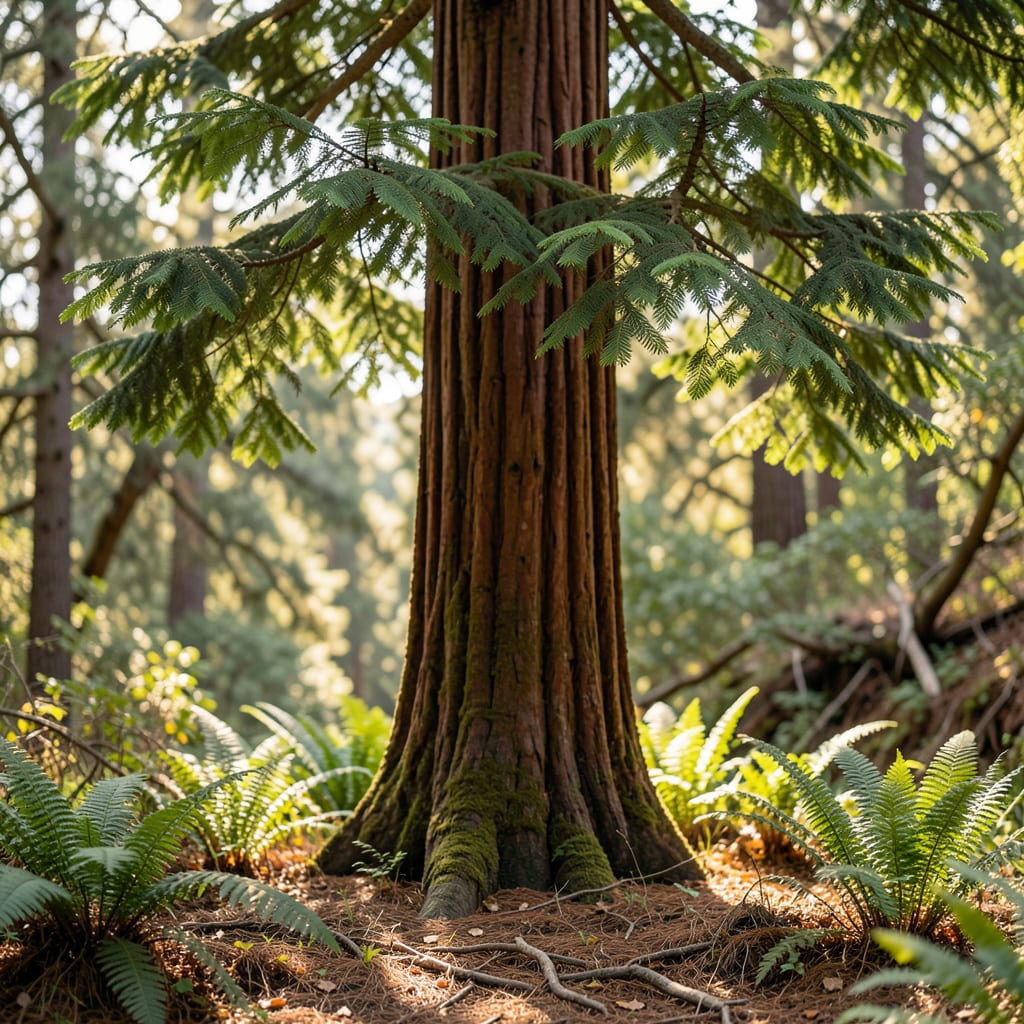
Redwood trees are nature’s skyscrapers, reaching incredible heights that inspire awe and wonder 🌲. These magnificent giants can be found primarily in California’s coastal regions, where the mild climate and ample moisture create ideal growing conditions.
I’ve always been fascinated by the potential height of redwood trees – some specimens have been measured at over 350 feet tall! Let’s explore what makes these trees so remarkable and what factors influence their growth to such extraordinary heights.

Redwood trees are known for their extraordinary height, with some specimens reaching over 350 feet tall. The tallest recorded redwood, Hyperion, stands at an impressive 380 feet in Redwood National Park, California 🌲.
The height of redwood trees is influenced by various factors, including genetics, climate, and soil conditions. These trees thrive in the foggy, mild climate of the Pacific coast, where they can grow rapidly and live for centuries.
The tallest redwoods are found in protected areas like national parks, where they are shielded from human impact and can continue to thrive. These trees are not only remarkable for their height but also for their longevity, with some living over 2,000 years.
Redwood trees have adapted to their environment in unique ways, developing thick bark that protects them from fire and disease. Their height is also influenced by the foggy climate, which provides them with moisture and helps them conserve water.
In addition to their height, redwoods also have a significant impact on their ecosystems. They provide habitat for a variety of plants and animals, and their roots help to stabilize the soil.
The study of redwood trees has also led to a new understanding of forest ecology. By studying the growth patterns and environmental conditions of these trees, scientists can gain insights into the health of the forest ecosystem as a whole.
Redwoods continue to fascinate scientists and the general public alike. Their ability to grow to such extreme heights is a testament to their remarkable biology and the unique conditions of their native habitat 🌳.
As we continue to learn more about these incredible trees, we are reminded of the importance of preserving our natural heritage. By protecting these trees and their ecosystems, we can ensure that future generations will be able to marvel at their grandeur.
Overall, the height of redwood trees is a remarkable phenomenon that continues to inspire wonder and awe. Their record-breaking heights are a testament to the incredible diversity and complexity of the natural world.
Redwood trees achieve their remarkable heights due to a combination of environmental and biological factors. The unique climate of their native habitat plays a crucial role in their growth, with coastal fog providing essential moisture 🌲.
Several key factors contribute to the height growth of redwood trees. Let’s examine these factors in detail to understand what makes these trees so exceptional.
Redwoods thrive in mild temperatures and high humidity, typically found in coastal regions. The consistent foggy climate helps maintain moisture levels, reducing water stress and supporting continuous growth.
Redwoods prefer well-drained soil rich in nutrients. The soil’s ability to retain moisture while allowing excess water to drain is crucial for supporting the trees’ extensive root systems and promoting healthy growth.
The genetic makeup of redwood trees also influences their height. Some trees are naturally predisposed to grow taller due to their genetic traits, which can be passed down through generations.
Understanding these factors is essential for appreciating the remarkable heights achieved by redwood trees. By recognizing the interplay between environmental conditions and biological characteristics, we can better appreciate these natural wonders 🌳.
The combination of ideal climate conditions, suitable soil quality, and genetic predisposition allows redwood trees to reach extraordinary heights, making them one of the most impressive tree species in the world.
Redwood trees continue to fascinate scientists and nature enthusiasts alike with their remarkable growth habits and ability to thrive in specific environments.
By studying these factors, we gain a deeper appreciation for the complex interactions that support the growth of these incredible trees.
Measuring the height of redwood trees is a complex task that requires specialized techniques and equipment. Researchers use various methods, including laser rangefinders and clinometers, to accurately measure the height of these towering trees 🌲.
Preserving redwood trees and their habitats is crucial for maintaining these natural wonders. Conservation efforts focus on protecting the trees from human impact, such as logging and habitat destruction. By preserving these trees, we can ensure that future generations will be able to marvel at their grandeur.
Redwood trees are protected in national and state parks, where conservation efforts focus on preserving their habitats and preventing human impact.
The preservation of redwood trees is not only important for maintaining their populations but also for protecting the ecosystems they support. These trees provide habitat for diverse wildlife and help maintain soil quality through their root systems.
By understanding the importance of preserving redwood trees, we can work towards ensuring their continued survival. This involves supporting conservation efforts and promoting sustainable practices that minimize human impact on these trees and their habitats 🌳.
Overall, measuring and preserving redwood tree heights is crucial for appreciating and protecting these natural wonders. Through continued research and conservation, we can ensure that these trees continue to thrive for generations to come.
Redwood trees are a testament to the incredible diversity and complexity of the natural world, and their preservation is essential for maintaining the health of our planet.
The tallest redwood tree ever recorded is Hyperion, standing at an impressive 380 feet in Redwood National Park, California. This tree is not only remarkable for its height but also for its age, estimated to be around 700-800 years old. Its height is a testament to the ideal growing conditions found in the park.
Redwood trees are known for their rapid growth, especially when young. They can grow 3-5 feet per year under ideal conditions. This growth rate is supported by the mild climate and high humidity of their native habitat, allowing them to reach maturity in a relatively short period.
Several factors contribute to the height of redwood trees, including climate conditions, soil quality, and genetic factors. The unique combination of these elements in their native habitat enables redwoods to achieve extraordinary heights. The foggy climate provides consistent moisture, while well-drained soil supports their extensive root systems.
Yes, redwood trees continue to grow throughout their lives, although their growth rate slows down as they mature. Even ancient trees can still add 1-2 feet of height per year. This ongoing growth is a testament to their remarkable biology and adaptability.
