
Beautiful Plants For Your Interior
Beautiful Plants For Your Interior
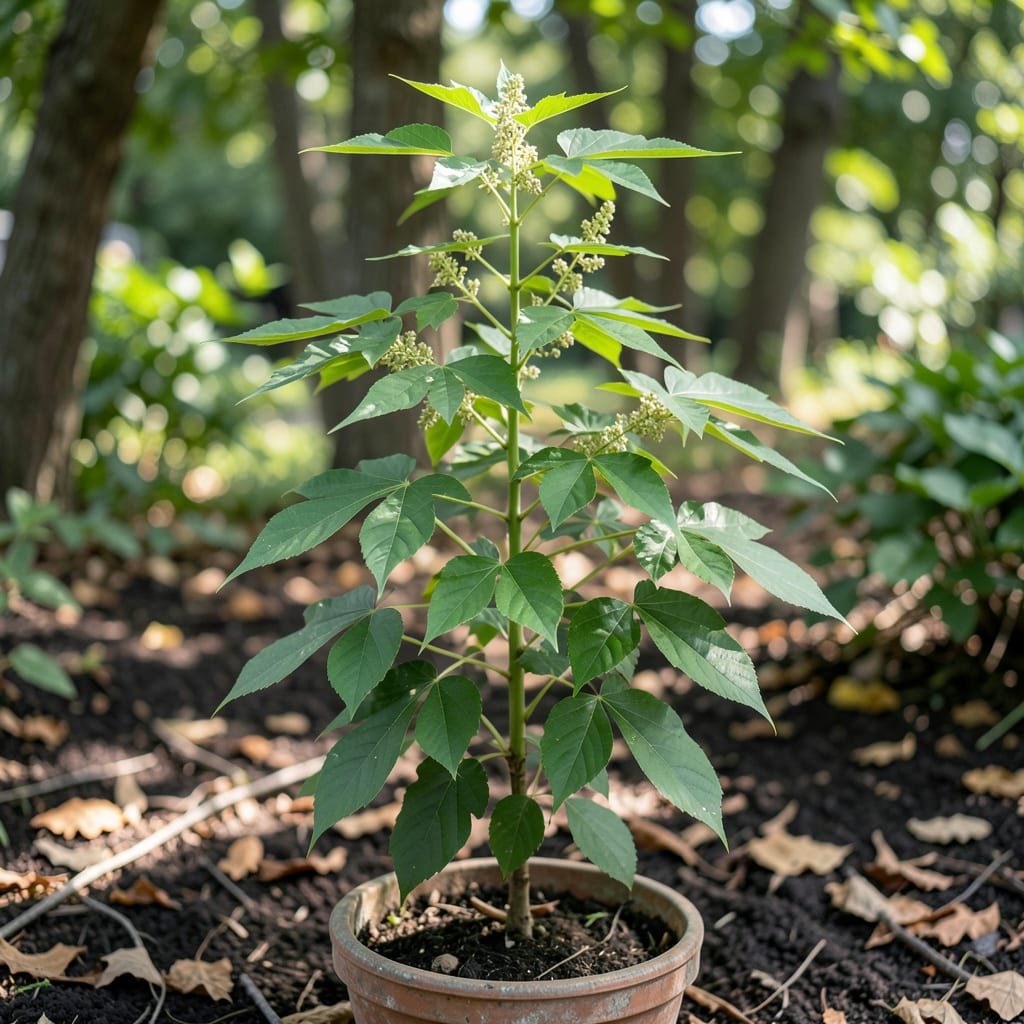
When dealing with Poison Sumac 🌿, it’s crucial to understand its growth habits to avoid its toxic effects. This shrub can grow quite tall, reaching heights that make it a significant presence in any environment.
In ideal conditions, Poison Sumac can grow between 6 to 20 feet tall, making it a substantial shrub that requires careful handling. Let’s explore how to manage its growth and identify it at different stages.

Poison sumac is a shrub that can grow quite tall, reaching heights of 6 to 20 feet in ideal conditions. Its growth is influenced by various factors including environmental conditions, soil quality, and native habitat 🌿.
The height of poison sumac plants can vary significantly based on the conditions they are growing in. Factors such as soil moisture, sunlight exposure, and soil quality play a crucial role in determining the maximum height a poison sumac plant can achieve.
In its natural habitat, poison sumac tends to grow taller in wet, swampy areas where it can reach heights of up to 20 feet. The plant’s ability to thrive in a variety of conditions makes it a significant presence in many environments 🌿.
Understanding the factors that influence the height of poison sumac is essential for managing its growth and avoiding its toxic effects. By recognizing the conditions that promote its growth, individuals can take steps to mitigate its impact on their surroundings.
The growth rate of poison sumac can vary rapidly depending on the factors mentioned above. In general, it can grow 1-3 feet per year under optimal conditions, making it a rapidly spreading shrub if not managed properly.
To effectively manage poison sumac, it’s crucial to understand its growth habits and the factors that influence its height. This knowledge can help individuals take appropriate measures to prevent its spread and minimize exposure to its toxic sap.
Poison sumac’s height can be a significant factor in its identification and management. By understanding how tall it can grow and the conditions that support its growth, individuals can better navigate environments where the plant is present 🌿.
In summary, poison sumac can grow to be quite tall, reaching heights of 6 to 20 feet in ideal conditions. Its growth is influenced by a variety of factors, and understanding these factors is key to managing its presence in any environment.
By being aware of the potential height of poison sumac and the conditions that support its growth, individuals can take steps to avoid exposure to its toxic effects and manage its presence in their surroundings effectively.
Effective management of poison sumac requires a comprehensive understanding of its growth habits and the factors that influence its height. This knowledge can help individuals develop strategies to prevent its spread and minimize its impact on the environment 🌿.
Poison sumac goes through various growth stages, and identifying it correctly is crucial for avoiding its toxic effects. The plant can grow from a small sapling to a substantial shrub, reaching heights of 6 to 20 feet 🌿.
At different stages of its growth, poison sumac exhibits distinct characteristics that can help in its identification. Understanding these characteristics is essential for managing its presence in any environment.
The height of poison sumac at different growth stages can vary significantly based on environmental conditions. Factors such as soil moisture and sunlight exposure play a crucial role in determining the plant’s height 🌿.
In its natural habitat, poison sumac tends to grow taller in wet, swampy areas where it can reach heights of up to 20 feet. The plant’s ability to thrive in a variety of conditions makes it a significant presence in many environments.
Understanding the visual characteristics of poison sumac at different growth stages is essential for managing its presence. By recognizing the plant’s height variations and leaf characteristics, individuals can take steps to avoid exposure to its toxic effects.
Poison sumac’s height can be a significant factor in its identification and management. By understanding how tall it can grow and the conditions that support its growth, individuals can better navigate environments where the plant is present 🌿.
Effectively managing poison sumac growth is crucial for preventing its spread and minimizing exposure to its toxic effects. The plant can grow quite tall, reaching heights of 6 to 20 feet in ideal conditions 🌿.
To manage poison sumac growth, it’s essential to understand the conditions that support its development. Factors such as soil moisture, sunlight exposure, and soil quality play a significant role in determining the plant’s height and spread.
When handling poison sumac, wear protective clothing, including gloves and long sleeves, to minimize skin contact.
Several methods can be employed to control unwanted poison sumac growth. These include manual removal, chemical control, and prescribed burning. Each method has its advantages and should be chosen based on the specific situation 🌿.
Manual removal involves physically removing the plant from the soil. This method is most effective for small infestations and requires careful handling to avoid exposure to the plant’s toxic sap.
Chemical control involves using herbicides to kill the plant. This method is effective for larger infestations but requires careful application to avoid harming other plants and the environment.
Prescribed burning is a method used to control poison sumac in larger areas. This technique involves controlled burning of the vegetation to kill the plants. It requires professional expertise to ensure safety and effectiveness.
Understanding the growth habits of poison sumac and the factors that influence its height is essential for effective management. By recognizing the conditions that promote its growth, individuals can take steps to mitigate its impact on their surroundings 🌿.
In summary, managing poison sumac growth requires a comprehensive approach that includes understanding its growth habits, identifying the plant correctly, and employing effective control methods. By taking these steps, individuals can minimize exposure to its toxic effects and prevent its spread.
Poison sumac can grow 1-3 feet per year under optimal conditions, making it a rapidly spreading shrub if not managed properly. Its growth rate varies based on factors like soil moisture and sunlight exposure. In ideal conditions, it can quickly reach its maximum height.
Poison sumac goes through various growth stages, from a small sapling (1-3 feet tall) to a mature shrub (up to 20 feet tall). Young plants have 3-7 leaflets, while mature plants can have 7-13 leaflets that are 2-4 inches long. Understanding these characteristics helps in identification.
Several methods can control unwanted poison sumac growth, including manual removal, chemical control using herbicides, and prescribed burning. The choice of method depends on the size of the infestation and the specific situation. Each method requires careful handling to avoid exposure to the plant’s toxic sap.
When handling poison sumac, wear protective clothing, including gloves and long sleeves, to minimize skin contact. This helps prevent exposure to the plant’s toxic sap, which can cause severe skin irritation. Always handle the plant with care.
