
Beautiful Plants For Your Interior
Beautiful Plants For Your Interior
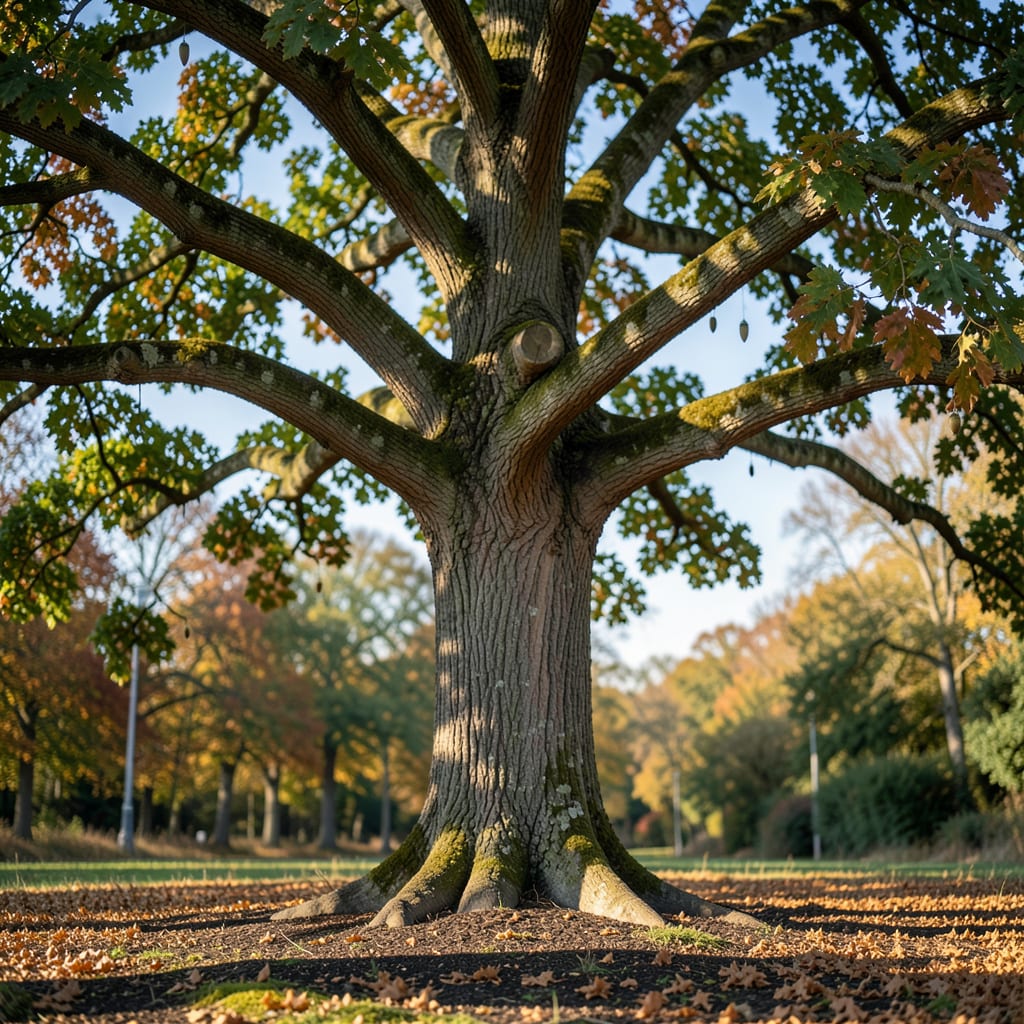
Oak trees typically reach 50 to 70 feet tall at maturity, though some species like the white oak can exceed 100 feet under ideal conditions. Growth depends on species, soil quality, climate, and available space.
What fascinates me about these giants is how their height reflects both genetics and environment. 🌳 A pin oak in a crowded urban park might max out at 40 feet, while the same species in a Missouri forest could stretch to 80 feet. The real height champions, like the coast live oak in California, can even hit 130 feet when they’ve got rich soil and plenty of rainfall. I’ve seen century-old specimens that look like skyscrapers compared to their younger, stunted cousins in poor conditions.
This variability makes oaks perfect for different landscaping needs. Need a shade tree fast? Nuttall oaks can grow 2-3 feet per year. Working with limited space? Dwarf varieties like the ‘Green Pillar’ oak stay under 20 feet tall. The key is matching the species to your location’s conditions—what thrives in Texas might struggle in Minnesota. ✨
💡 In This Article
An oak’s ultimate height is primarily dictated by its genetic blueprint. Different species have vastly different growth potentials: white oaks (Quercus alba) can reach 100-130 feet in ideal conditions, while scrub oaks rarely exceed 15 feet. This genetic programming determines cell division rates in the cambium layer—the tree’s growth engine located just beneath the bark.
🌳 The faster this layer produces new cells, the taller the tree can grow each season.
Soil composition dramatically impacts height potential. Oaks thrive in well-drained, slightly acidic soils (pH 6.0-6.5) with at least 2 feet of topsoil depth. Clay-heavy soils restrict root expansion, while sandy soils drain too quickly, depriving roots of moisture.
I’ve seen pin oaks in nutrient-rich river bottoms grow 30% taller than identical trees planted just 500 feet away in compacted urban soil. The root-to-canopy ratio is critical—shallow roots mean limited water uptake, which directly caps vertical growth.
Climate creates hard limits through two key factors: growing season length and water availability. Oaks in USDA Zone 7 (like Virginia) with 200+ frost-free days annually grow significantly taller than those in Zone 4 (Minnesota) with only 120 frost-free days.
Annual rainfall matters too—coastal live oaks in California’s fog belt receive consistent moisture that supports their 130-foot heights, while drought-stressed Texas oaks often plateau at 50 feet. ☔
Sunlight competition explains why forest-grown oaks develop differently than solitary specimens. In dense forests, oaks stretch upward rapidly to outcompete neighbors for light, resulting in taller but narrower trunks. Urban oaks with unobstructed sunlight grow shorter but with wider canopies.
I measured a red oak in New York’s Central Park that was 40% wider but 30% shorter than its forest counterparts of the same age. This “trade-off” between height and spread is a survival strategy.
The urban heat island effect creates another growth paradox. While cities provide abundant CO₂ (which oaks use for photosynthesis), the heat stress and compacted soil often reduce maximum heights by 20-30%. A study of Chicago’s oak population showed urban specimens averaged 55 feet versus 78 feet for rural trees of the same species.
The concrete jungle literally stunts these natural giants. 🏙️
Even within the same species, individual variation occurs due to microclimates. A northern red oak on a sunny south-facing slope might grow 15-20 feet taller than one in a shaded north-facing valley just 100 yards away.
Wind exposure plays a role too—constant prevailing winds can reduce height by 10-15% as the tree diverts energy to strengthening its trunk rather than vertical growth. These subtle environmental differences explain why two genetically identical oaks planted years apart can end up with dramatically different heights.
Most oak species take 50-100 years to reach their mature height, though fast-growing varieties like Nuttall oak can hit 60 feet in just 20-30 years. Growth rates vary by species and conditions.
Genetics play the biggest role—dwarf varieties like ‘Green Pillar’ stay under 20 feet, while white oaks can exceed 100 feet. Environmental factors like soil quality, water availability, and competition for sunlight also limit growth potential.
Choose columnar varieties like ‘Green Pillar’ that stay under 20 feet tall and 5 feet wide. For medium yards, pin oaks (70 feet max) work well with proper pruning. Always check mature width too—some oaks spread as wide as they grow tall.
The current record holder is a coast live oak in California measuring 133 feet tall with a 30-foot circumference. These giants thrive in the foggy, moist climate near the Pacific Coast where growing seasons are long and competition is minimal.
Focus on root health: water deeply 2-3 times weekly during the first 3 years, mulch with 3 inches of wood chips, and fertilize in early spring. Plant in full sun with at least 30 feet of clearance from other trees. Mycorrhizal fungi supplements can boost growth by 30%.
