
Beautiful Plants For Your Interior
Beautiful Plants For Your Interior
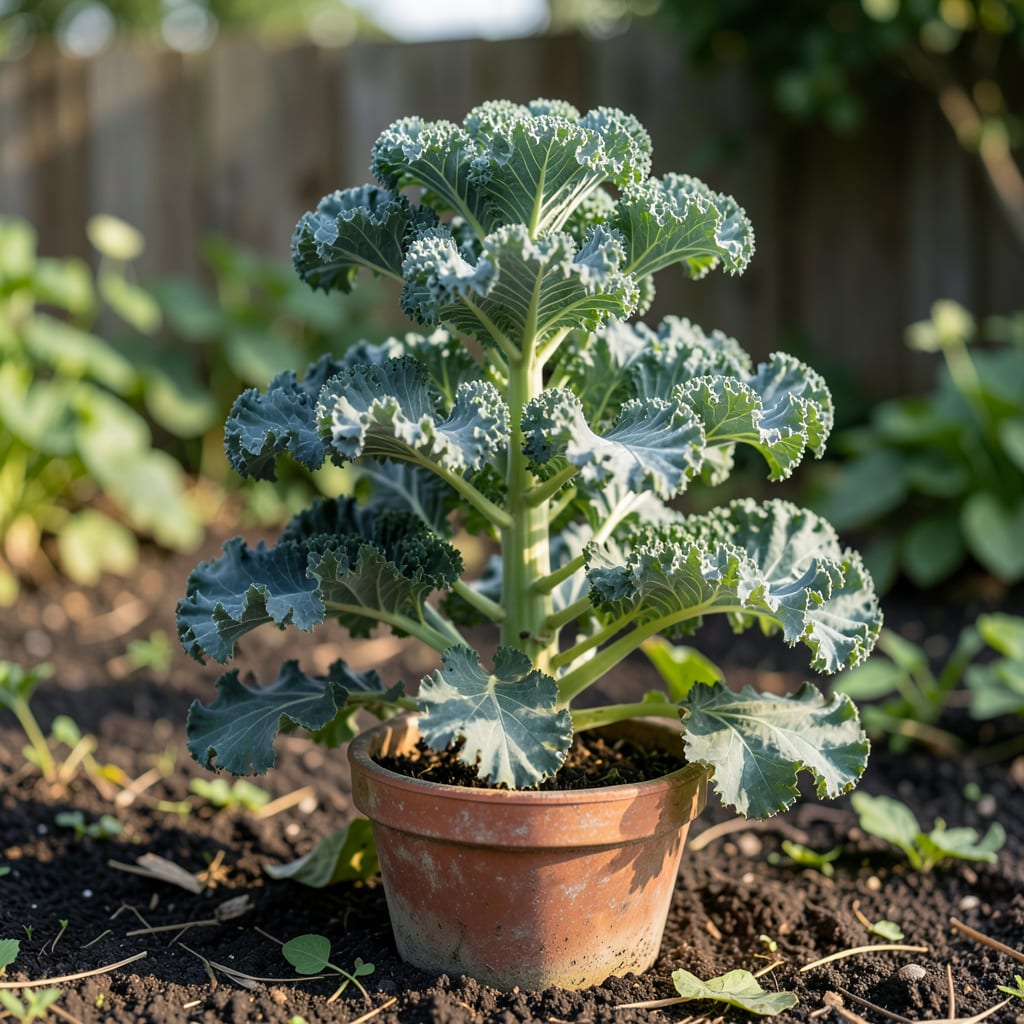
Growing kale 🥬 can be a rewarding experience, especially when you understand its growth potential. In ideal conditions, kale can grow quite tall, reaching heights of up to 2 feet or more.
Factors like variety, growing conditions, and cultivation practices all play a role in determining kale’s maximum height. By understanding these factors and implementing expert tips, you can maximize your kale’s growth and enjoy a bountiful harvest in USDA Zone 6.


Kale’s growth height can vary significantly based on several key factors. Understanding these elements is crucial for gardeners looking to maximize their kale’s potential height. The primary factors include the variety of kale, growing conditions, and cultivation practices 🌿.
The variety of kale plays a significant role in determining its maximum height. Different types of kale, such as curly kale, lacinato kale, and Red Russian kale, have distinct growth habits. Some varieties are naturally more compact, while others can grow quite tall.
The growing conditions significantly impact kale’s height. Nutrient-rich soil with good drainage is essential for healthy growth. Kale prefers consistent moisture, especially during dry spells. The amount of sunlight also affects kale’s growth; it thrives in full sun to partial shade 🌞.
Cultivation practices are equally important. Proper spacing between plants allows for adequate air circulation and prevents overcrowding, which can stunt growth. Regular watering and fertilization also contribute to maximizing kale’s height. Gardeners should ensure that their kale plants receive the necessary nutrients and care to reach their full potential 🌱.
In addition to these factors, pruning and harvesting techniques can influence kale’s growth height. Regular harvesting of leaves encourages the plant to produce more foliage, potentially increasing its overall height. Gardeners can also prune their kale plants to promote bushier growth or to control their height 🌿.
Understanding the interplay of these factors helps gardeners create optimal conditions for their kale plants. By selecting the right variety and providing appropriate care, gardeners can enjoy taller, healthier kale plants in their gardens 🌻.
Different kale varieties exhibit a range of growth habits. Some, like Lacinato kale, tend to grow more upright and can reach heights of up to 3 feet. Others, such as curly kale, may be more compact but still achieve significant height with proper care 🌿.
Growing conditions, including soil quality, sunlight, and watering, play a critical role in determining kale’s maximum height. Gardeners should focus on creating an optimal environment for their kale plants to thrive 🌞.
By combining the right variety with optimal growing conditions and careful cultivation practices, gardeners can maximize their kale’s growth potential. This holistic approach ensures that kale plants reach their maximum height and provide a bountiful harvest 🥬.
Regular maintenance, including pruning and fertilization, is essential for promoting healthy growth. Gardeners should monitor their kale plants closely and adjust their care routines as needed to support maximum height 🌿.
In conclusion, understanding the factors that affect kale’s maximum growth height allows gardeners to take targeted actions to maximize their plants’ potential. By focusing on variety selection, growing conditions, and cultivation practices, gardeners can enjoy taller, healthier kale plants in their gardens 🌻.
I focus on practical advice to help you grow taller kale plants. Proper soil preparation is essential for maximizing kale height 🌱.
The right soil conditions can make a significant difference in your kale’s growth. I recommend testing your soil to determine its nutrient content and pH level. Kale thrives in well-draining, nutrient-rich soil with a pH between 6.0 and 7.0. Adding organic matter like compost can improve soil quality and support healthier plant growth 🌿.
Space kale plants 18-24 inches apart to allow for adequate air circulation and prevent overcrowding, which can stunt growth.
Keep the soil consistently moist, especially during dry spells, to promote healthy growth and maximum height.
Use a balanced fertilizer to provide essential nutrients for vigorous growth. Fertilize every 4-6 weeks during the growing season.
In addition to these tips, regular harvesting can encourage kale plants to produce more foliage, potentially increasing their overall height. I recommend harvesting leaves when they are 4-6 inches long to promote continued growth 🌻.
By implementing these expert gardening tips, you can maximize your kale’s height and enjoy a bountiful harvest.
Maximizing kale height requires attention to detail and a commitment to providing optimal growing conditions. By following these practical tips, you can enjoy taller, healthier kale plants in your garden 🥬.
Growing kale can be challenging when common mistakes limit its growth potential. Understanding these errors helps gardeners take corrective action and maximize their kale’s height 🌿.
One of the most significant mistakes gardeners make is overcrowding their kale plants. When plants are too close together, they compete for resources like light, water, and nutrients, which can stunt their growth. To avoid this, ensure that kale plants are spaced 18-24 inches apart to allow for adequate air circulation and prevent overcrowding 🌻.
Kale requires consistent moisture, especially during dry spells. Inadequate watering can lead to stunted growth and reduced yields. Water your kale plants regularly, aiming for about 1-2 cups per plant every 2-3 days 💧.
Another critical error is neglecting soil quality. Kale thrives in well-draining, nutrient-rich soil with a pH between 6.0 and 7.0. Failing to test and amend the soil can result in nutrient deficiencies, which can limit kale’s growth. Adding organic matter like compost can improve soil quality and support healthier plant growth 🌱.
Insufficient sunlight is another common mistake. Kale requires full sun to partial shade for optimal growth. If kale plants are not receiving enough sunlight, they may become leggy and weak. Ensure that your kale plants are placed in a location that receives at least 6 hours of direct sunlight daily ☀️.
By avoiding these common mistakes, gardeners can create an optimal environment for their kale plants to thrive. Proper spacing, adequate watering, and good soil quality are essential for maximizing kale’s growth potential 🌼.
Regular monitoring and maintenance are also crucial. Keep an eye out for signs of nutrient deficiencies, pests, or diseases, and take action promptly to address any issues that arise 🌿.
In conclusion, understanding and avoiding common mistakes that limit kale’s growth potential can help gardeners achieve taller, healthier plants. By focusing on proper spacing, soil quality, and sunlight, gardeners can maximize their kale’s height and enjoy a bountiful harvest 🥬.
Kale plants typically grow to be between 1-2 feet tall, with some varieties reaching heights of up to 3 feet in ideal conditions. Proper care and optimal growing conditions can help maximize their height.
Water your kale plants every 2-3 days, providing about 1-2 cups of water per plant. Consistent moisture is key to promoting healthy growth and maximum height.
Yes, you can grow kale in containers. To support maximum height, ensure the container is at least 12 inches deep and provides good drainage. With proper care, container-grown kale can reach similar heights to those grown in the ground.
Kale requires full sun to partial shade for optimal growth, needing at least 6 hours of direct sunlight daily. Insufficient sunlight can lead to leggy and weak plants.
