
Beautiful Plants For Your Interior
Beautiful Plants For Your Interior
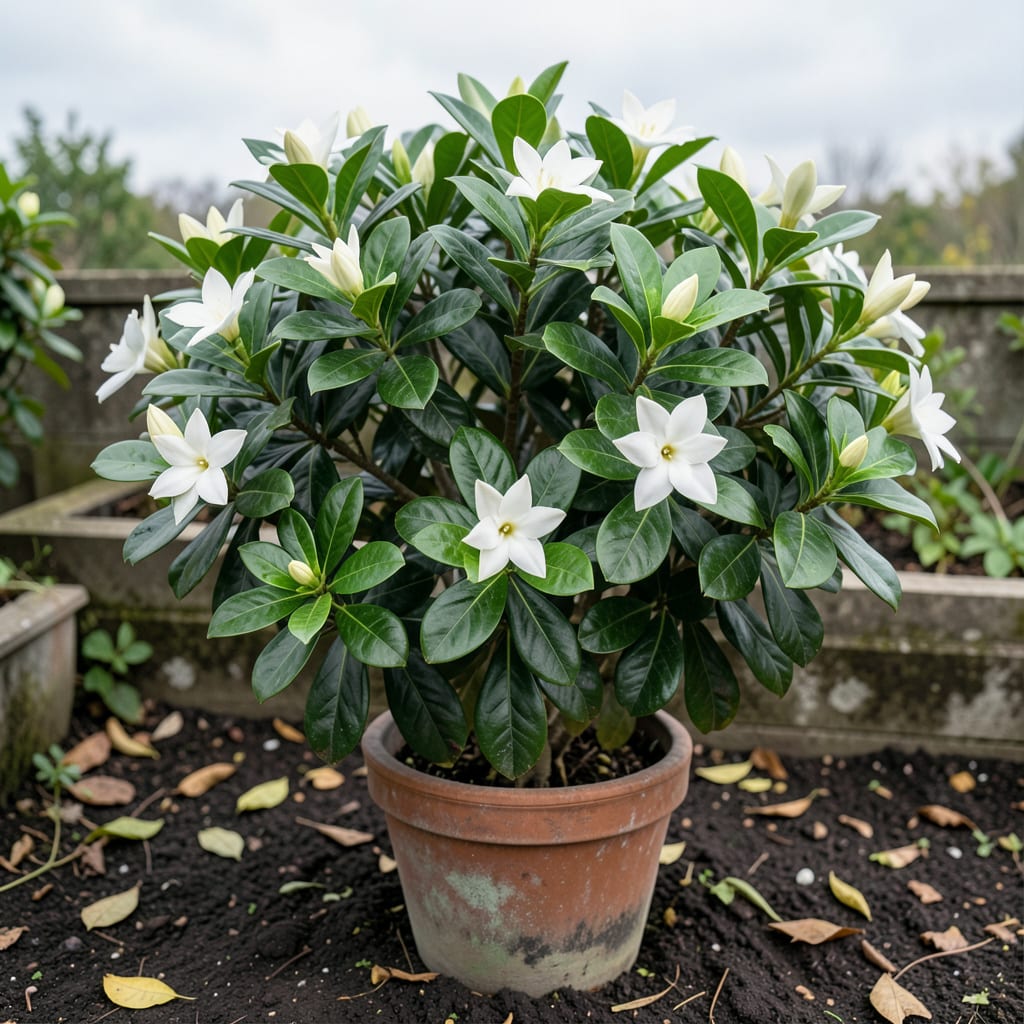
Gardenias 🌸 are prized for their fragrant flowers and glossy leaves, but their growth potential often raises questions among gardeners in USDA Zone 6a. Understanding how tall they can grow is crucial for proper placement and care.
I’ve found that factors like variety selection and growing conditions play a significant role in determining their height. Let’s explore what affects their growth and how you can encourage your Gardenia to reach its full potential.


Gardenias are known for their beautiful flowers and glossy leaves, but their growth potential is often a topic of discussion among gardeners. The maximum height a gardenia can reach depends on several factors, including the variety, growing conditions, and proper care practices.
I’ve found that understanding these factors is crucial for gardeners who want to encourage their gardenias to grow to their full potential. Let’s explore the key elements that influence gardenia height.
Gardenias typically grow between 2-8 feet tall, with the average height being around 4-6 feet when properly cared for. The specific variety plays a significant role in determining the ultimate height of the plant.
For example, dwarf gardenias usually top out at around 2-3 feet, making them ideal for smaller gardens or containers. On the other hand, standard gardenias can grow much taller, reaching heights of 6 feet or more under optimal conditions.
I recommend checking the specific growth habits of your gardenia variety to set realistic expectations for its height. This information can usually be found on the plant tag or by consulting with a gardening expert.
Soil quality is another critical factor that affects gardenia growth. Gardenias thrive in well-draining, acidic soil with a pH between 5.0 and 6.0. Ensuring the soil meets these criteria can help promote healthy growth and maximize height.
Light exposure also plays a crucial role in determining gardenia height. While they can tolerate some shade, gardenias generally do best with 4-6 hours of direct sunlight per day. Too little light can result in leggy growth, while too much can cause leaf scorch.
In addition to variety and growing conditions, proper care practices are vital for encouraging gardenias to reach their full height potential. This includes regular watering, fertilizing, and pruning.
By understanding these factors and providing the right care, you can help your gardenia grow to its maximum potential height. Whether you’re growing a compact variety or a larger standard type, proper care will ensure your gardenia remains healthy and thrives.
Regular monitoring of your gardenia’s growth and adjusting your care practices as needed can also help achieve the desired height. With patience and the right conditions, your gardenia can reach its full growth potential 🌸.
To help your gardenia reach its maximum height potential, it’s essential to provide the right growing conditions and proper care. Let’s explore some expert gardening tips that can encourage healthy growth and maximize height.
I recommend starting with soil preparation. Gardenias thrive in well-draining, acidic soil with a pH between 5.0 and 6.0. To achieve this, you can mix in organic matter like compost or peat moss to improve soil quality and acidity.
For optimal growth, fertilize your gardenia regularly during the growing season with an acidic fertilizer. This will provide essential nutrients and maintain the soil’s acidity 🌿.
Watering is another critical factor in promoting gardenia growth. Gardenias prefer consistent moisture, especially when they’re producing flowers. However, it’s essential to avoid overwatering, which can lead to root rot and other problems.
I suggest watering your gardenia deeply once or twice a week, depending on weather conditions. Make sure the soil drains well to prevent waterlogged soil, and adjust your watering schedule accordingly.
Fertilization is also vital for encouraging healthy growth and maximizing height. Use an acidic fertilizer specifically formulated for gardenias, and follow the manufacturer’s instructions for application rates and timing.
In addition to proper care practices, pruning plays a crucial role in maintaining plant health and promoting growth. Prune your gardenia regularly to remove dead or damaged branches, and shape the plant to maintain its desired size and shape.
By following these expert gardening tips and providing the right growing conditions, you can help your gardenia reach its full height potential and enjoy its beautiful flowers and glossy leaves for years to come 🌸.
Regular monitoring of your gardenia’s growth and adjusting your care practices as needed can also help achieve the desired height. With patience and the right conditions, your gardenia can thrive and become a stunning addition to your garden.
To summarize, maximizing gardenia height requires a combination of proper care practices, including soil preparation, watering, fertilization, and pruning. By following these tips and providing the right growing conditions, you can help your gardenia reach its full potential.
Gardenias can be sensitive plants, and several common mistakes can limit their growth potential. Understanding these pitfalls is crucial for gardeners who want to maximize their gardenia’s height.
I’ve found that one of the most significant factors affecting gardenia growth is improper soil pH. Gardenias require acidic soil with a pH between 5.0 and 6.0. If the soil is too alkaline, it can cause nutrient deficiencies and hinder growth.
Overwatering can lead to root rot and other problems that can stunt your gardenia’s growth.
Inadequate sunlight is another common mistake that can limit gardenia height. While gardenias can tolerate some shade, they generally require 4-6 hours of direct sunlight per day. Too little light can result in leggy growth and reduced flowering.
Overfertilization can also be detrimental to gardenia growth. While fertilization is essential, overdoing it can cause more harm than good. I recommend fertilizing your gardenia regularly during the growing season with an acidic fertilizer, but be sure to follow the manufacturer’s instructions.
By avoiding these common mistakes and providing the right growing conditions, you can help your gardenia reach its full height potential and enjoy its beautiful flowers and glossy leaves for years to come 🌼.
Regular monitoring of your gardenia’s growth and adjusting your care practices as needed can also help achieve the desired height. With patience and the right conditions, your gardenia can thrive and become a stunning addition to your garden.
To summarize, being aware of common mistakes like improper soil pH, inadequate sunlight, and overwatering can help you take corrective action and promote healthy growth in your gardenia.
Gardenias typically grow between 2-8 feet tall, with the average height being around 4-6 feet when properly cared for. The specific variety plays a significant role in determining the ultimate height of the plant. Proper care and growing conditions can help maximize their growth potential.
Gardenias are considered moderate growers, typically increasing in height by 1-2 feet per year under optimal conditions. Factors like soil quality, light exposure, and proper care practices influence their growth rate. Regular monitoring and adjustments to care can help achieve desired growth.
Yes, regular pruning is essential for maintaining plant health and controlling height. Prune your gardenia to remove dead or damaged branches and shape the plant to maintain its desired size and shape. Pruning after flowering is recommended to avoid cutting off buds.
Dwarf gardenias usually top out at around 2-3 feet, making them ideal for smaller gardens or containers. Standard gardenias can grow much taller, reaching heights of 6 feet or more under optimal conditions. Choosing the right variety depends on your space and desired height.
