
Beautiful Plants For Your Interior
Beautiful Plants For Your Interior
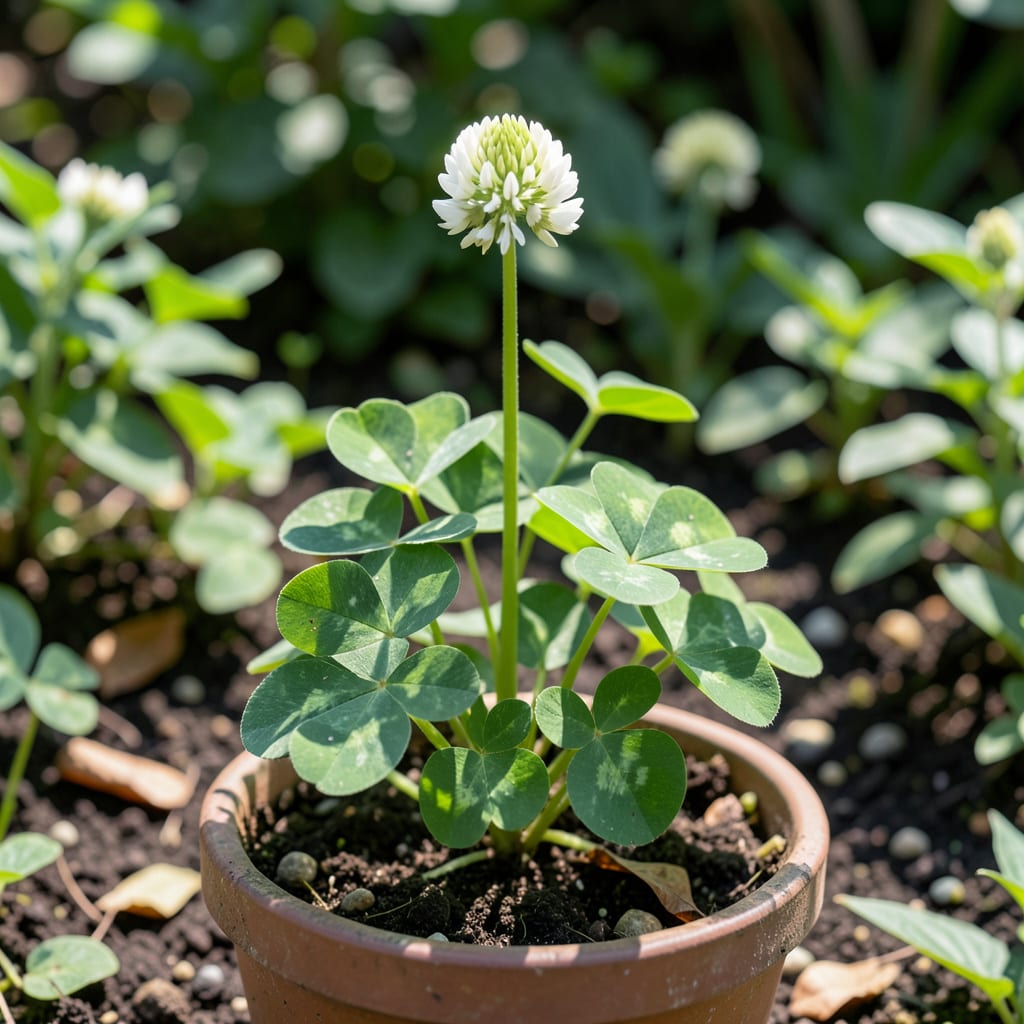
As I explore my garden, I’m always fascinated by the ☘️ Clover’s growth potential. Understanding how tall it can grow is crucial for effective gardening, especially in USDA Zone 6 where it thrives during spring.
Clover’s height varies depending on factors like soil quality and climate conditions. Let’s dive into the details of what affects its growth and how to promote healthy development.


Clover height is influenced by several key factors that gardeners need to understand for optimal growth. The soil quality plays a crucial role, with clover thriving in well-draining soil rich in organic matter. Soil pH between 6.0 and 7.0 is considered ideal for most clover varieties 🌿.
Climate conditions also significantly impact clover growth. Clover generally prefers temperate climates with moderate temperatures and adequate moisture. Extreme weather conditions, such as prolonged drought or excessive rainfall, can affect its height and overall health ⛈️.
Understanding these factors helps gardeners create optimal growing conditions for their clover. The variety of clover is particularly important as different species have inherently different growth patterns and maximum heights 🌱.
White clover (Trifolium repens) typically grows between 10-30 cm in height, while red clover (Trifolium pratense) can reach heights of 40-80 cm. Other varieties like alsike clover fall somewhere in between these height ranges.
The soil’s nutrient content, particularly nitrogen levels, affects clover height. Clover being a legume can fix nitrogen, but it still benefits from balanced soil nutrition. Proper moisture levels are also crucial – both drought and waterlogging can negatively impact growth.
Sunlight exposure is another critical factor. Most clover varieties prefer full sun to partial shade, with at least 4-6 hours of direct sunlight daily. Insufficient light can lead to weaker, more leggy growth 🌱.
Mowing and maintenance practices significantly influence clover height in garden settings. Regular mowing can keep clover at a uniform height, typically between 5-15 cm, promoting denser growth.
In agricultural settings, clover height can vary based on the specific use. For hay production, clover is often harvested before it reaches maximum height to maintain quality. For cover cropping, taller varieties might be preferred for better soil coverage.
Understanding these factors helps gardeners and farmers make informed decisions about clover cultivation, whether for lawns, pastures, or conservation purposes. By optimizing growing conditions and management practices, it’s possible to achieve healthy clover growth at the desired height 🌼.
The maximum height potential of clover is an important consideration for garden planning and management. Different clover varieties have different height ranges, which should be considered when selecting the right type for specific garden needs.
By understanding and managing these factors, gardeners can effectively control clover height to achieve their desired garden characteristics, whether that’s a lush groundcover or a component in a mixed planting scheme.
Clover is a versatile plant that comes in various species, each with its unique growth characteristics. Understanding the maximum height potential of different clover types is essential for gardeners to make informed decisions about their garden design and management.
The height of clover plants can vary significantly depending on the species. Some clover varieties are naturally more compact, while others can grow taller. Let’s explore the height ranges of some common clover species 🌿.
White clover (Trifolium repens) is one of the most common clover species and typically grows between 10-30 cm in height. It’s a low-growing, spreading variety that forms a dense mat 🌱.
Red clover (Trifolium pratense) is another popular variety that can grow significantly taller than white clover, reaching heights of 40-80 cm. Some red clover plants can even grow up to 100 cm under ideal conditions 🌼.
Alsike clover (Trifolium hybridum) falls somewhere in between white and red clover in terms of height, typically growing between 30-60 cm. It’s known for its tolerance to a wide range of soil conditions 🌿.
Understanding the maximum height potential of different clover types helps gardeners plan their garden layout and choose the right clover variety for their specific needs. Whether you’re looking for a low-growing groundcover or a taller component in a mixed planting scheme, there’s a clover variety to suit your requirements 🌻.
By selecting the appropriate clover variety and providing optimal growing conditions, gardeners can achieve healthy clover growth and maximize its benefits in their garden 🌼.
Maintaining the ideal height of clover in your garden is crucial for its performance and overall health. Regular mowing is a common practice to keep clover at a uniform height, typically between 5-15 cm. This not only promotes denser growth but also encourages the plant to spread and form a lush groundcover 🌱.
For optimal clover height management, maintain a regular mowing schedule and consider the specific needs of your clover variety.
Pruning practices also play a significant role in managing clover height. While clover doesn’t require extensive pruning like other plants, removing dead or damaged leaves can help maintain its appearance and health 🌿.
In addition to mowing and pruning, cultivation practices can influence clover height. Ensuring that your clover is growing in well-draining soil with adequate nutrients supports healthy growth. Proper watering and sunlight exposure are also essential for maintaining the desired height 💧.
For gardeners looking to use clover as a groundcover, maintaining a lower height through regular mowing can help achieve a uniform appearance. For other uses, such as in wildflower meadows or as a component in mixed planting schemes, allowing clover to grow taller can be beneficial 🌼.
By understanding and implementing these management practices, gardeners can effectively control clover height to achieve their desired garden characteristics. Whether you’re aiming for a lush, low-growing groundcover or a taller component in your garden, proper management is key 🌻.
Regular monitoring of your clover’s growth and adjusting your management practices accordingly will help you achieve the best results. With the right care, clover can be a versatile and valuable addition to any garden 🌿.
Clover height varies by species. White clover typically grows 10-30 cm tall, while red clover can reach 40-80 cm. Alsike clover usually falls between 30-60 cm in height. The maximum height can be up to 40 cm for white clover, 100 cm for red clover, and 80 cm for alsike clover.
Clover thrives in well-draining soil rich in organic matter with a pH between 6.0 and 7.0. Soil quality significantly impacts clover growth, with balanced nutrient content and proper moisture levels being crucial for achieving optimal height.
Yes, regular mowing is an effective way to maintain a uniform clover height, typically between 5-15 cm. This practice promotes denser growth and encourages the plant to spread, forming a lush groundcover. Regular mowing is especially useful when using clover as a lawn alternative.
Most clover varieties prefer full sun to partial shade, requiring at least 4-6 hours of direct sunlight daily. Insufficient light can lead to weaker, more leggy growth, so ensuring adequate sunlight is crucial for healthy clover development.
