
Beautiful Plants For Your Interior
Beautiful Plants For Your Interior
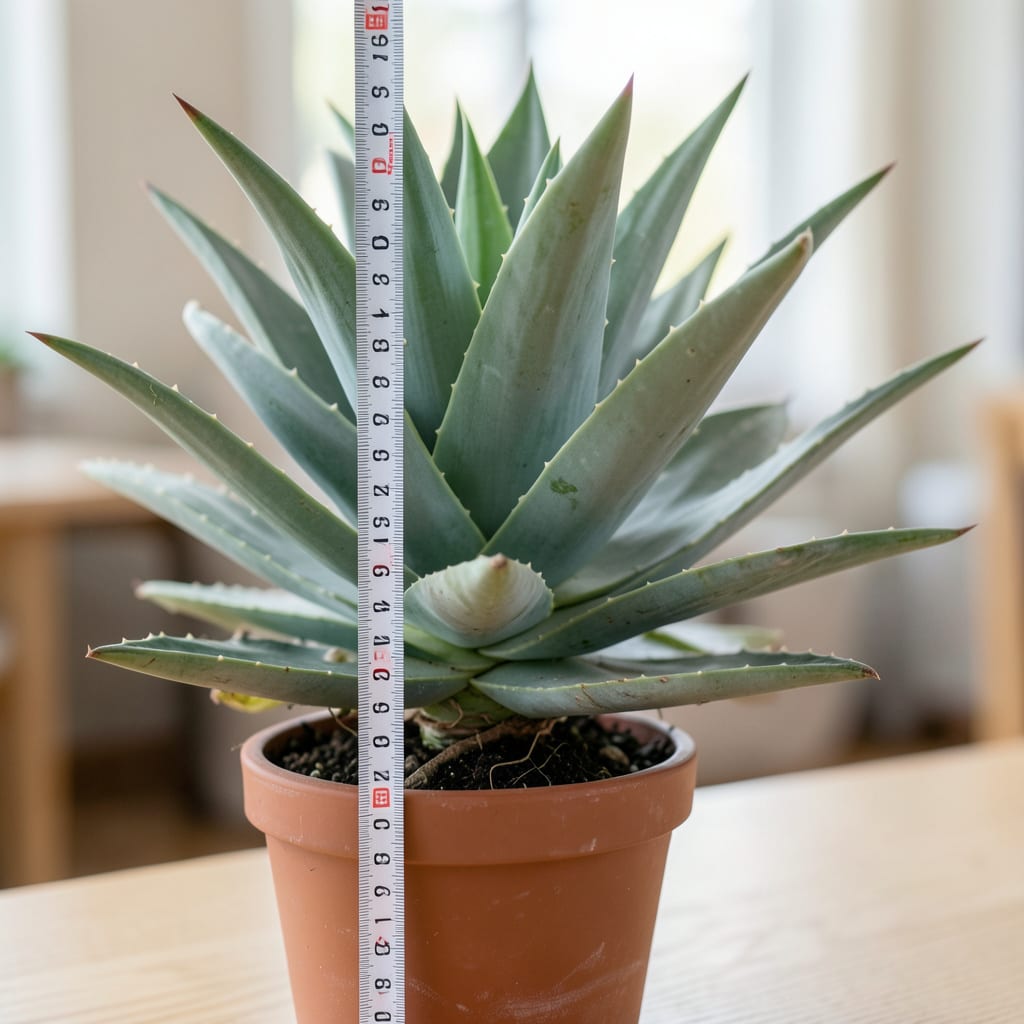
I’ve always been fascinated by the growth potential of Aloe Vera 🌵, one of the most popular succulents for home gardens. Understanding how tall it can grow helps you plan your space effectively and ensure your plant thrives.
In USDA zone 6a, Aloe Vera typically grows between 1-3 feet tall, making it a great choice for indoor or outdoor containers. Let’s explore the factors that influence its height and how to promote healthy growth.


I’ve found that several key factors influence how tall aloe vera can grow. The amount of light it receives is crucial, as aloe vera needs bright, indirect sunlight to photosynthesize effectively. In my experience, plants receiving 6+ hours of direct sunlight daily tend to grow more robustly.
Another critical factor is watering frequency. Aloe vera is drought-tolerant, but consistent moisture promotes healthier growth. I recommend watering every 2-3 weeks, allowing soil to dry completely between waterings. This prevents root rot and encourages deep root growth 🌵.
The quality of soil also plays a significant role in aloe vera’s height growth. Using a well-draining cactus mix prevents waterlogged soil conditions that can lead to root rot. I prefer a mix that contains perlite or sand for improved drainage.
Pot size is another factor to consider. A pot that is slightly larger than the root ball allows for healthy root development without causing the soil to become too wet. This balance is essential for promoting vertical growth.
In addition to these factors, fertilization during the growing season can support healthy growth. I recommend using a balanced fertilizer (10-10-10 NPK) every 6-8 weeks during spring and summer.
Understanding these factors helps you create optimal conditions for your aloe vera to reach its maximum height potential. By providing the right environment and care, you can encourage your plant to grow strong and healthy.
It’s also important to note that temperature affects aloe vera growth. The ideal temperature range is between 65°F to 75°F (18°C to 24°C), with protection from frost being essential in colder climates.
Pruning is another practice that can influence height. Removing dead or damaged leaves not only improves the plant’s appearance but also directs the plant’s energy toward healthy growth.
By considering these factors and adjusting your care routine accordingly, you can help your aloe vera plant achieve its full growth potential.
Regular monitoring of your plant’s condition and adjusting care practices as needed will ensure optimal growth. This includes checking for signs of pests or diseases and taking action promptly if necessary.
Overall, understanding and managing these factors will help you grow a thriving aloe vera plant that reaches its maximum height.
Aloe vera plants typically grow between 1-3 feet tall, with some varieties reaching slightly higher heights under optimal conditions. The average height is about 2 feet when grown indoors.
The height of aloe vera plants can vary significantly based on the growing conditions. Indoor plants typically reach 1-2 feet in height due to limited space and potentially less optimal light conditions. In contrast, outdoor plants in suitable climates can grow up to 2-3 feet tall 🌿.
Different varieties of aloe vera may also exhibit different growth habits. Some may naturally remain more compact, while others may have a more upright growth pattern. Understanding the specific variety you’re growing can help set realistic expectations for its height.
Light exposure is a critical factor in determining the height of aloe vera. Plants receiving ample sunlight tend to grow more robustly and may reach their maximum height potential. Conversely, plants in low-light conditions may remain smaller.
Watering practices also influence the height of aloe vera. Proper watering techniques, such as allowing the soil to dry between waterings, promote healthy root development and support vertical growth. Overwatering can lead to root rot and stunted growth 🌱.
The quality of the soil and fertilization practices further impact the height of aloe vera. Using a well-draining cactus mix and fertilizing during the growing season can provide the necessary nutrients for optimal growth.
By understanding these factors and providing appropriate care, you can help your aloe vera plant achieve its full height potential. Regular monitoring and adjustments to your care routine will ensure your plant remains healthy and thrives.
Overall, the height of aloe vera is influenced by a combination of genetic and environmental factors. By optimizing these conditions, you can encourage your plant to reach its maximum height.
To help your aloe vera reach its maximum height potential, I’ve found that proper care practices are essential. First, ensure your plant receives adequate light. Aloe vera needs bright, indirect sunlight to grow tall and strong. Placing it near a south-facing window can provide the necessary light 🌞.
Rotate your aloe vera plant regularly to ensure even growth and prevent it from leaning towards the light source.
Watering is another critical factor. Aloe vera is drought-tolerant, but consistent moisture promotes healthier growth. I recommend watering every 2-3 weeks, allowing the soil to dry completely between waterings. This helps prevent root rot and encourages deep root growth 💧.
The quality of the soil also plays a significant role. Using a well-draining cactus mix prevents waterlogged soil conditions that can lead to root rot. A mix containing perlite or sand improves drainage and supports healthy root development.
Pot size is important for maximizing height. Use a pot that is slightly larger than the root ball to allow for healthy root development without causing the soil to become too wet. This balance is crucial for promoting vertical growth 🌿.
Fertilization during the growing season can support healthy growth. Use a balanced fertilizer (10-10-10 NPK) every 6-8 weeks during spring and summer to provide necessary nutrients.
Pruning is also essential for maximizing height. Remove dead or damaged leaves to improve the plant’s appearance and direct its energy towards healthy growth. This practice helps maintain the plant’s overall health and promotes vertical growth 🌱.
By following these tips and providing optimal care, you can help your aloe vera plant achieve its full height potential. Regular monitoring and adjustments to your care routine will ensure your plant remains healthy and thrives.
Overall, maximizing aloe vera height requires attention to detail and consistent care. By understanding and implementing these practices, you can enjoy a thriving and tall aloe vera plant 🌵.
Aloe vera plants typically grow between 1-3 feet tall, with an average height of about 2 feet when grown indoors. The height can vary based on factors like light exposure and care practices. Proper care can help maximize their growth potential .
Water your aloe vera every 2-3 weeks, allowing the soil to dry completely between waterings. This helps prevent root rot and encourages deep root growth, supporting the plant’s overall health and height .
Yes, pruning can help maximize aloe vera height. Removing dead or damaged leaves improves the plant’s appearance and directs its energy towards healthy growth, promoting vertical development .
The ideal temperature range for aloe vera growth is between 65°F to 75°F (18°C to 24°C). Protecting the plant from frost is essential in colder climates to ensure optimal growth and health .
